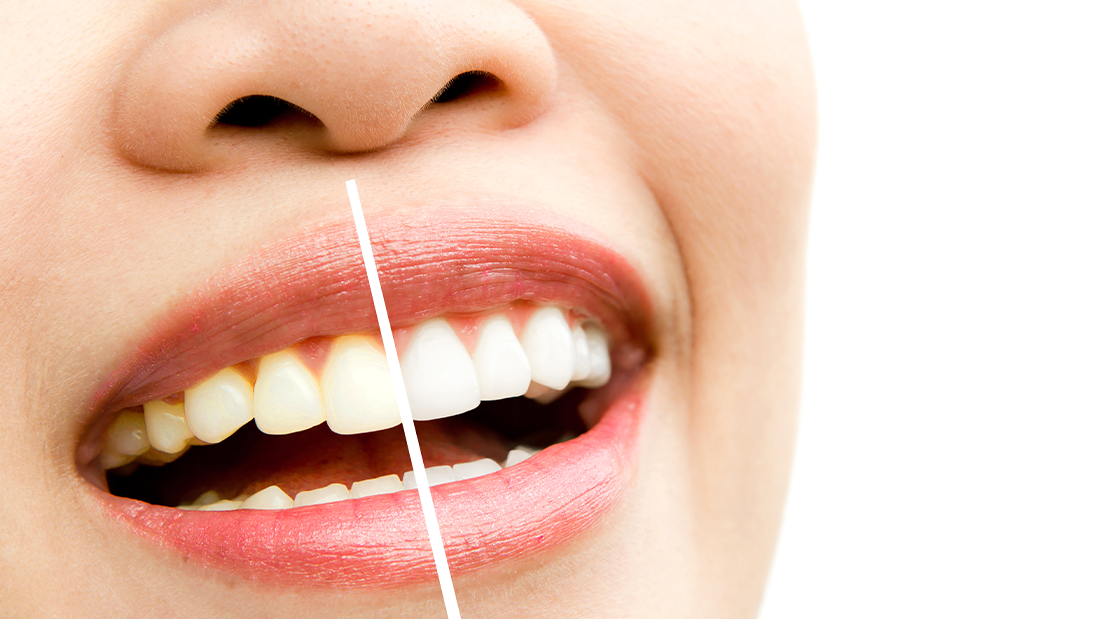
A regular dental cleaning is preventive care for patients with mostly healthy gums. A deep cleaning is gum disease treatment used when plaque, tartar, and bacteria collect below the gumline and create gum pockets.
The main difference between deep cleaning and regular cleaning teeth is how far the cleaning goes. A regular cleaning removes plaque and tartar from the visible tooth surfaces and around the gumline. A deep dental cleaning, also called scaling and root planing, cleans below the gumline and smooths the tooth roots to help treat periodontal disease.
If your gums bleed, feel swollen, have deep pockets, or show signs of bone loss, your dentist may recommend a dental deep cleaning instead of a routine cleaning.
What Is a Regular Dental Cleaning?
A regular dental cleaning is also called dental prophylaxis. It is a preventive dental cleaning used to maintain healthy teeth and gums. Most patients receive this type of cleaning during a regular dental checkup.
A regular cleaning is designed to remove plaque buildup, tartar buildup, and surface stains from the teeth before they lead to cavities or gum disease.
A regular teeth cleaning may include:
- Dental exam
- Plaque and tartar removal
- Cleaning around the gumline
- Tooth polishing
- Flossing between teeth
- Oral hygiene guidance
- Fluoride treatment if recommended
- Dental X-rays when needed
A regular dental cleaning is best for patients who do not have active periodontal disease or deep gum pockets.
Learn what fluoride does to your teeth and how it can help strengthen enamel and lower cavity risk.
What Is a Deep Dental Cleaning?
A deep dental cleaning is a treatment for gum disease. It is also called scaling and root planing.
Deep cleaning teeth is different from a routine cleaning because it removes bacteria, plaque, and tartar from below the gumline. It also smooths the tooth roots so the gums can heal and reattach more closely to the teeth.
A deep cleaning may be recommended if you have:
- Gum disease
- Periodontal disease
- Deep gum pockets
- Bleeding gums
- Swollen gums
- Gum infection
- Tartar below the gumline
- Bad breath from gum disease
- Loose teeth from bone loss
- Bacteria below the gumline
Deep cleaning is not just a “stronger cleaning.” It is a periodontal cleaning used to treat a specific gum health problem.
Deep Cleaning vs Regular Cleaning: Quick Difference
The difference between regular cleaning and deep cleaning comes down to prevention vs treatment.
A regular cleaning helps prevent dental problems. A deep cleaning treats gum disease that has already started.
Regular Dental Cleaning
A regular cleaning is for patients with healthy gums or mild plaque buildup. It removes plaque and tartar from the visible parts of the teeth and along the gumline.
Deep Dental Cleaning
A deep cleaning is for patients with gum disease. It removes plaque and tartar from above and below the gumline and cleans the tooth roots.
Why Would a Dentist Recommend Deep Cleaning?
A dentist may recommend deep cleaning if they find signs of periodontal disease during a dental exam. Gum disease can cause the gums to pull away from the teeth and create spaces called gum pockets. These pockets can trap bacteria and tartar below the gumline.
When bacteria stay below the gums, regular brushing, flossing, and routine cleanings may not be enough to remove them.
A dental deep cleaning may be recommended for:
- Gum pockets
- Bleeding gums
- Gum inflammation
- Swollen gums
- Tartar buildup below the gumline
- Bad breath linked to gum disease
- Gum recession
- Loose teeth
- Bone loss around teeth
- Signs of periodontal infection
The goal is to remove disease-causing buildup and help stop gum disease from getting worse.
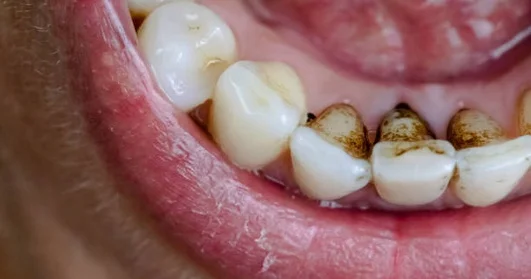
What Is Scaling and Root Planing?
Scaling and root planing is the clinical name for deep cleaning teeth. It has two parts.
Scaling
Scaling removes plaque and tartar from the tooth surfaces, including areas below the gumline. This helps reduce bacteria in gum pockets.
Root Planing
Root planing smooths the tooth roots. This helps remove rough areas where bacteria can collect and may help the gums heal closer to the teeth.
Scaling and root planing is commonly used as a non-surgical periodontal disease treatment.
What Happens During a Regular Teeth Cleaning?
During a regular teeth cleaning, the dental hygienist removes plaque and tartar from the teeth. The cleaning usually focuses on the visible tooth surfaces and the area around the gumline.
A regular cleaning may include:
- Exam of teeth and gums
- Plaque and tartar removal
- Tooth polishing
- Flossing
- Rinse
- Fluoride if recommended
- Home care instructions
A regular cleaning usually does not require numbing unless the patient has sensitivity or discomfort.
What Happens During a Deep Cleaning?
During a deep cleaning, the dentist or dental hygienist cleans under the gumline where bacteria and tartar are trapped. The mouth may be divided into sections, and treatment may be completed over more than one visit.
A deep cleaning may include:
- Gum pocket measurements
- Dental X-rays if needed
- Local anesthetic for comfort
- Scaling above and below the gumline
- Root planing to smooth tooth roots
- Antibacterial treatment if recommended
- Follow-up visit to check healing
- Periodontal maintenance plan
Deep cleaning may take longer than a regular dental cleaning because it treats areas below the gumline.
Is a Dental Deep Cleaning Ever Really Necessary?
Yes, a dental deep cleaning can be necessary when gum disease has progressed beyond what a regular cleaning can treat. If plaque and tartar are trapped below the gumline, a routine cleaning may not remove the bacteria causing the infection.
Deep cleaning may be necessary if you have:
- Gum pockets deeper than normal
- Tartar below the gumline
- Bleeding gums
- Gum swelling
- Gum recession
- Bone loss
- Loose teeth
- Persistent bad breath
- Periodontal disease
Without treatment, periodontal disease can damage the gum tissue and bone that support your teeth.
Signs You May Need a Deep Cleaning
You may need a deep dental cleaning if you have symptoms of gum disease.
Common signs include:
- Bleeding gums when brushing or flossing
- Swollen gums
- Red or tender gums
- Bad breath that does not improve
- Gum recession
- Loose teeth
- Tooth sensitivity
- Pain when chewing
- Gum pockets
- Tartar buildup near or below the gumline
- Teeth feeling loose or shifting
- Pus near the gums
If you notice these symptoms, schedule a dental exam. Your dentist can check whether you need a regular cleaning or deep cleaning.
Can Gingivitis Be Treated With a Regular Cleaning?
Gingivitis is the early stage of gum disease. In many cases, gingivitis can improve with better brushing, daily flossing, and a professional cleaning.
However, if gingivitis progresses into periodontitis, a regular cleaning may not be enough. Periodontitis involves deeper infection, gum pockets, and possible bone loss. That is when scaling and root planing may be recommended.
What Is Periodontal Cleaning?
Periodontal cleaning can refer to deep cleaning or ongoing periodontal maintenance after gum disease treatment. Once a patient has had periodontal disease, they may need more frequent cleanings to keep bacteria under control.
Periodontal maintenance may include:
- Cleaning above and below the gumline
- Checking gum pocket depth
- Monitoring gum inflammation
- Removing plaque and tartar
- Reviewing home care habits
- Tracking bone and gum health
This helps reduce the risk of gum disease returning or getting worse.
Does Deep Cleaning Hurt?
Deep cleaning may cause some discomfort because it involves cleaning below the gumline. Many dentists use local anesthesia to numb the area and keep the patient comfortable.
After treatment, it is normal to have temporary tenderness, gum sensitivity, or tooth sensitivity. This usually improves as the gums heal.
Your dentist may recommend:
- Soft foods for a short time
- Gentle brushing
- Warm saltwater rinses if appropriate
- Desensitizing toothpaste
- Avoiding tobacco
- Follow-up care
- Over-the-counter pain relief if safe for you
If pain, swelling, or bleeding gets worse instead of improving, contact your dentist.
How Long Does Deep Cleaning Take?
Deep cleaning may take one or more visits depending on the severity of gum disease and how many areas need treatment. Some patients need one side or one section of the mouth treated at a time.
A regular dental cleaning is usually completed in one visit. A deep dental cleaning may require more time because the hygienist or dentist must clean below the gumline and around the tooth roots.
How Often Do You Need Regular Cleanings?
Many patients need regular dental cleanings every six months, but this can vary based on oral health, cavity risk, gum health, tartar buildup, and dentist recommendations.
Patients with healthy gums may stay on a routine preventive cleaning schedule. Patients with gum disease may need periodontal maintenance more often.
Your dentist can recommend the right cleaning schedule after checking your teeth and gums.
How Often Do You Need Deep Cleaning?
A deep cleaning is not usually done at every visit. It is performed when gum disease needs active treatment.
After scaling and root planing, your dentist may recommend periodontal maintenance every few months to help control bacteria and monitor gum pockets.
The frequency depends on:
- Gum pocket depth
- Bleeding gums
- Tartar buildup
- Bone loss
- Oral hygiene
- Smoking
- Diabetes or other health risks
- Past periodontal disease
Deep cleaning treats the active problem. Periodontal maintenance helps manage the condition afterward.
Can Deep Cleaning Save Teeth?
Deep cleaning can help protect teeth when gum disease is present. It removes bacteria and tartar below the gumline, which may help slow or stop the progression of periodontal disease.
If gum disease is left untreated, it can damage the bone and tissues that support the teeth. In advanced cases, teeth can become loose or may need removal.
Deep cleaning works best when followed by good oral hygiene and regular periodontal care.
What Happens If You Skip a Needed Deep Cleaning?
Skipping a needed deep cleaning can allow gum disease to get worse. Plaque and tartar below the gumline can continue to irritate the gums and damage supporting bone.
Possible risks include:
- More bleeding gums
- Worsening gum inflammation
- Deeper gum pockets
- Gum recession
- Persistent bad breath
- Tooth sensitivity
- Bone loss
- Loose teeth
- Tooth loss in advanced cases
A regular cleaning cannot always fix these problems once the infection is below the gumline.
Can a Regular Cleaning Replace Deep Cleaning?
No. A regular cleaning cannot replace deep cleaning when periodontal disease is present. A regular cleaning removes plaque and tartar from the visible tooth surfaces and around the gumline. It does not fully clean deep gum pockets or smooth the tooth roots.
If your dentist recommends scaling and root planing, it usually means bacteria and tartar are present below the gumline.
Can Deep Cleaning Replace Regular Cleaning?
Deep cleaning is not meant to replace routine preventive care. It is a treatment for gum disease. After gum disease is treated, regular maintenance is still needed to keep your mouth healthy.
Patients with a history of gum disease may need periodontal maintenance instead of standard prophylaxis cleanings.
Regular Cleaning vs Deep Cleaning for Tartar Buildup
Regular cleaning can remove tartar on visible tooth surfaces and around the gumline. Deep cleaning is needed when tartar buildup extends below the gumline and into gum pockets.
Tartar below the gums is harder to remove and can contribute to gum infection and periodontal disease. This is why dentists measure gum pockets and may take dental X-rays before recommending deep cleaning.
Learn more about what happens if you don’t brush your teeth and how plaque can progress into tartar, cavities, and gum problems.
Deep Cleaning for Bad Breath
Bad breath can be caused by poor oral hygiene, plaque buildup, dry mouth, cavities, or gum disease. If bad breath is linked to bacteria below the gumline, deep cleaning may help.
Deep cleaning can reduce odor-causing bacteria in gum pockets. However, long-term improvement depends on daily brushing, flossing, tongue cleaning, hydration, and follow-up dental care.
Deep Cleaning for Bleeding Gums
Bleeding gums can be a sign of gingivitis or periodontal disease. If the bleeding is caused by plaque buildup near the gumline, a regular cleaning may help. If the bleeding is caused by deeper gum pockets and infection below the gumline, deep cleaning may be needed.
Healthy gums should not bleed regularly. If your gums bleed when you brush or floss, schedule a dental exam.
How to Avoid Needing a Deep Cleaning
You may reduce your risk of needing a deep cleaning by keeping plaque and tartar under control.
Helpful habits include:
- Brush twice daily with fluoride toothpaste
- Floss every day
- Use a soft-bristled toothbrush
- Clean along the gumline gently
- Drink water often
- Limit sugary snacks and drinks
- Avoid tobacco
- Schedule regular dental cleanings
- Treat bleeding gums early
- Do not ignore tartar buildup
- Follow your dentist’s home care instructions
Gum disease prevention works best when home care and professional cleanings happen consistently.
You can also learn how to prevent cavities by practicing better brushing, using fluoride, making healthy food choices, and schedulingregular dental visits.
When Should You See a Dentist?
Schedule a dental exam if you are unsure whether you need a regular cleaning or deep cleaning.
You should see a dentist if you have:
- Bleeding gums
- Swollen gums
- Bad breath
- Gum recession
- Tartar buildup
- Loose teeth
- Tooth sensitivity
- Pain when chewing
- Gum pockets
- A history of gum disease
- Missed dental cleanings for a long time
Your dentist can check your gums, take dental X-rays if needed, measure pocket depths, and recommend the right cleaning.
Deep Cleaning vs Regular Cleaning in El Paso, TX
If you are comparing deep cleaning vs regular cleaning teeth, a visit for family dentistry in El Paso, TX can help determine which type of cleaning is appropriate for your gums. Your dentist can check for plaque buildup, tartar buildup, gum inflammation, gum pockets, and signs of periodontal disease.
If your gums are healthy, a regular dental cleaning may be enough. If bacteria and tartar are below the gumline, a deep cleaning may be needed to treat gum disease and protect long-term oral health.
Schedule a dental checkup to find out which type of cleaning is right for your smile.
Final Thoughts
Regular dental cleaning and deep dental cleaning are not the same. A regular cleaning is preventive care for healthy gums. A deep cleaning is gum disease treatment used when plaque, tartar, and bacteria collect below the gumline.
If you have healthy gums, routine dental cleanings can help prevent cavities, tartar buildup, and gum disease. If you have bleeding gums, swollen gums, gum pockets, bad breath, bone loss, or periodontal disease, scaling and root planing may be necessary.
The best way to know which cleaning you need is to schedule a dental exam. Your dentist can evaluate your gums and recommend the right treatment for your oral health.