

Root Canal treatment
Root Canal Dentist in El Paso, TX
Tooth pain can make it hard to eat, sleep, work, or focus. If you have a severe toothache, deep cavity pain, lingering sensitivity, swelling, or signs of infection, root canal treatment may help relieve discomfort and save your natural tooth.
At Mesa Street Dental, our dental team provides root canal treatment for infected, inflamed, damaged, or painful teeth. We focus on careful diagnosis, comfortable treatment, and restoring the tooth whenever it can be predictably saved.
Save an Infected Tooth with Root Canal Treatment
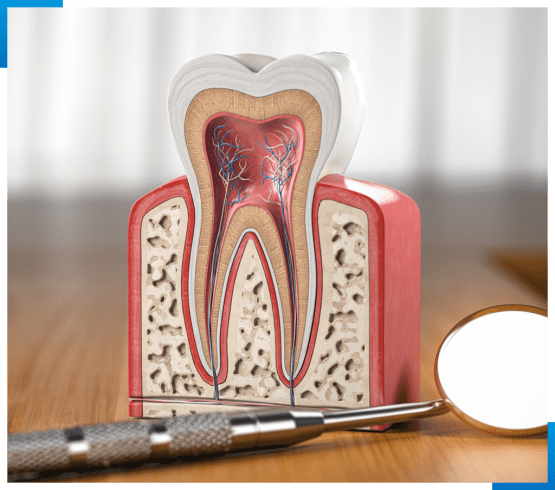
Root canal treatment is a dental procedure used to treat infected or inflamed pulp inside a tooth. Our dentist removes the infected pulp, cleans and disinfects the root canals, fills the space, and seals the tooth to help prevent reinfection.
The goal is to relieve tooth pain, treat infection, and save the natural tooth when possible. A dental crown may be recommended after root canal therapy to protect and strengthen the treated tooth.
When Tooth Pain Starts Inside the Tooth
Inside each tooth is soft tissue called dental pulp. This pulp contains nerves, blood vessels, and connective tissue. When bacteria reach the pulp through deep decay, a crack, trauma, or repeated treatment on the same tooth, the tooth nerve can become irritated, inflamed, or infected.
An infected tooth nerve can cause severe toothache, pressure, swelling, sensitivity, or a dental abscess. Root canal therapy removes the infected pulp from inside the tooth while keeping the outer tooth structure in place. This can help stop infection from spreading and may prevent the need for tooth extraction.
If your pain is sudden or severe, emergency dentistry may be the best place to start.

Why Treat an Infected Tooth Early?
Pain Relief
Root canal therapy can relieve pressure caused by infected or inflamed pulp.
Save Your Tooth
Treatment may help preserve your natural tooth instead of removing it.
Treat the Source of Infection
Root canal therapy removes inflamed or infected tissue from inside the tooth and seals the cleaned canals.
Restore Chewing
After treatment and restoration, the tooth can function more comfortably.
Reduce the Risk of Further Damage
Early treatment may reduce the risk of worsening infection or extraction.
Protect Your Smile
Saving a natural tooth helps maintain bite balance and smile appearance.
How Much Does a Root Canal Cost ?
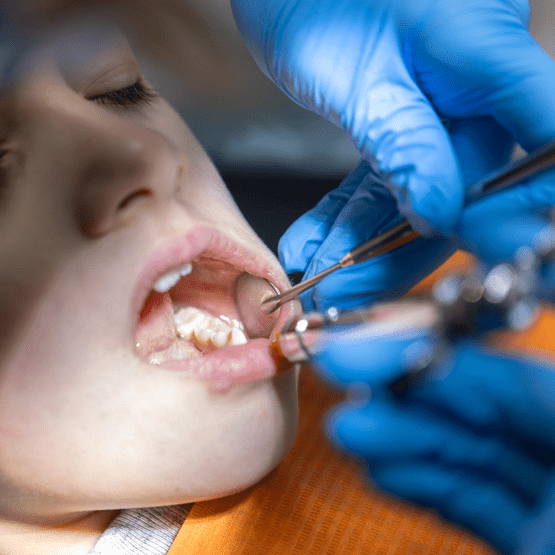
The cost of root canal treatment depends on the tooth being treated, number and shape of the canals, infection severity, treatment complexity, X-rays, and whether a filling or crown is needed afterward. Molars generally involve more canals and are more complex to treat than front teeth.
After examining the tooth, our dentist will explain the recommended treatment and provide a personalized estimate. Our team can also review available payment options and help you understand any estimated insurance benefits before treatment begins.
Symptoms That May Point to a Root Canal

Severe Toothache: Throbbing or constant pain may be a sign of infected or inflamed tooth pulp.
Lingering Sensitivity: Sensitivity that lasts after hot or cold drinks may suggest nerve irritation.
Pain When Biting: Bite pressure can reveal infection, cracks, or inflammation around the tooth root.
Swollen Gums: Swelling near one tooth may be linked to infection or a dental abscess.
Deep Cavity Pain: A deep cavity can allow bacteria to reach the dental pulp.
Cracked Tooth Infection: A crack can let bacteria enter the tooth and affect the nerve.


Root Canal Treatment Near You in El Paso
Located on North Mesa Street, Mesa Street Dental evaluates and treats painful or infected teeth for patients from West El Paso and nearby communities, including Kern Place, Mission Hills, Coronado, the Upper Valley and Sunland Park.
Your visit begins with an examination and X-rays to determine whether root canal therapy, another dental treatment, or referral to an endodontist is appropriate.
What Our Patients Say About Us
Posted on Google
 Sandra Flores
Trustindex verifies that the original source of the review is Google.
Dr. Harrell and his staff are the best. I don't think anyone enjoys going to the dentist, but his gentle hand and caring manner put you at ease. He takes time to explain procedures and inform the patient. Very professional staff. It's great to have someone of Dr. Harrell's caliber serving the El Paso community.Posted on Google Susan UrbietaThanks so much for your professionalism, your concern, and the time you take. Y’all are like family.Posted on Google
 Paul WilsonVirginia did a great job! My teeth have the greatest feeling when Virginia finishes!Posted on Google
 R. HirshI have been DENTIST PHOBIC my whole life. This is the first practice I have ever been to that makes me want to come for my appointments. I adore this group of competent, kind and fun staff. Rebecca HirshPosted on Google
 judith challengerI just had a crown replacement and Dr Harrell was so good about letting me know what was happening throughout the process. The numbing injection? Painless. His assistant was delightful. The best part was that Dr Harrell laughed at my jokes:). My wait time was maybe 5 minutes?. The ladies in the office are helpful, friendly and efficiently handled my paperwork . Wonderful experience.Posted on Google
 Laura JassoMy cleaning was efficient and comfortable (thanks, Virg!), and Dr. Harrell is wonderful. I drive four hours round trip to keep appointments with him!Posted on Google
 ian hannaThorough and competent. Dr. Herrel explains procedure and contingencies. Annual discount plan is worth the original outlay. Overall very positive impression.
What Happens During a Root Canal Visit?
01
Diagnosis and X-Rays
Our dentist examines the tooth, checks symptoms, and may take X-rays to locate infection or damage.
02
Numbing the Area
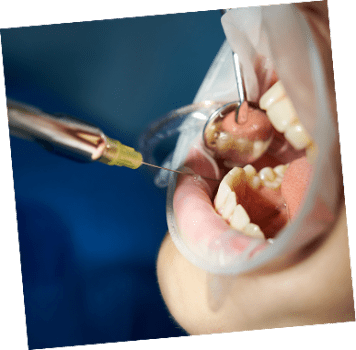
The tooth and surrounding area are numbed to keep you comfortable during treatment.
03
Removing Infected Pulp
The infected or inflamed pulp is carefully removed from inside the tooth.
04
Cleaning the Root Canals
The canals are cleaned, shaped, disinfected, and prepared for filling.
05
Filling and Sealing
The cleaned canals are filled and sealed to help prevent reinfection.
06
Final Restoration
A filling or dental crown are placed to protect the tooth and restore function.
Same-Day Help for Tooth Infection and Severe Pain
Severe tooth pain, swelling, or signs of infection should not wait. A same-day root canal appointment may be available depending on your symptoms, tooth condition, and schedule.
If you have facial swelling, fever, difficulty swallowing, trouble breathing, or swelling spreading into the jaw or neck, seek urgent medical or dental care right away. These symptoms may point to a serious infection that needs immediate attention.
For urgent tooth pain, emergency dental care can help you get evaluated quickly.

Root Canal Dentist or Endodontist: Who Should You See?
A general dentist can perform many root canal procedures. An endodontist is a dental specialist who focuses on diagnosing tooth pain and treating the inside of the tooth. If your case is complex, your dentist may refer you to an endodontist.
At your visit, our el paso dental office will evaluate the tooth, infection level, root shape, and treatment difficulty. If root canal therapy can be completed in-office, he will explain the steps. If advanced endodontic treatment is needed, you will be guided to the right care.
Root Canal or Tooth Extraction?
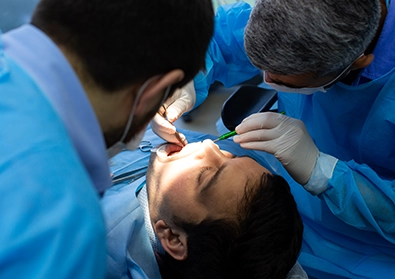
Root canal therapy may be recommended when the tooth has enough healthy structure and support to be predictably restored. Extraction may be necessary when the tooth has a severe fracture, extensive damage, poor bone support, or another condition that prevents reliable restoration.
Preserving the natural tooth is generally preferred when it can be restored successfully. If the tooth cannot be saved, our dentist can discuss replacement options such as an implant, bridge, or partial denture
What Happens After Root Canal Therapy?
After root canal treatment, mild soreness or tenderness can happen for a short time as the area heals. Our dentist may recommend avoiding chewing hard foods on the treated tooth until the final restoration is placed.
Many back teeth need a dental crown after root canal therapy because the tooth may be weaker after infection, decay, or large fillings. Good brushing, flossing, routine checkups, and final crown placement can help protect the treated tooth.
Related Services
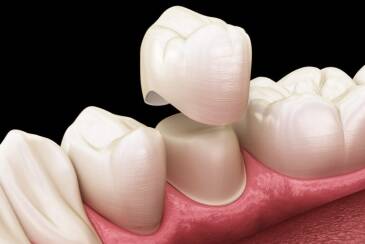
Same-Day Crowns
After root canal therapy, a crown may be recommended to protect a weakened tooth and restore comfortable chewing.

Emergency Dentistry
Severe tooth pain, swelling, or signs of infection may require prompt evaluation to identify the cause and begin appropriate care.

Dental Implants
If an infected or damaged tooth cannot be predictably saved, a dental implant may provide a secure option for replacing it.
Why Choose Mesa Street Dental for Root Canal Treatment?
Mesa Street Dental provides root canal care in El Paso with a focus on diagnosis, comfort, and tooth preservation. Our team listens to your symptoms, evaluates the tooth carefully, and explains your treatment options clearly before moving forward.
We help patients with severe toothache, infected tooth nerves, dental abscess concerns, deep cavity pain, and cracked tooth infections. Our goal is to relieve pain, treat the source of infection, and help you keep your natural tooth whenever possible.
Meet Dr. Sean Harrell
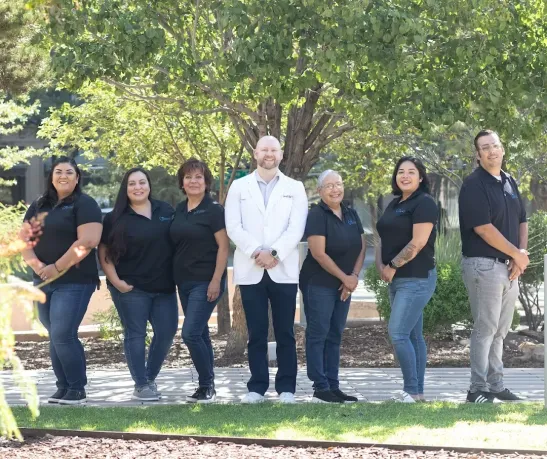
Dr. Sean Harrell isn't the dentist who rushes you through, hands you a pamphlet, and calls it a day. He's the one who takes the extra time to make sure the numbing actually worked before he starts. Who explains what's happening in plain language — not dental jargon you have to Google afterward. Who makes himself personally available via text after hours, because he knows dental emergencies don't always happen between 8am and 5pm.
His patients don't just come back. They've been returning for 12 years. And they send their kids, their parents, and their neighbors.

✅ DDS — University of Texas Health Science Center
✅ ADA Member | Texas Dental Association Member
✅ Spear Education trained
✅ 12+ years serving West El Paso
✅ Personally available to established patients after-hours via text

Frequently Asked Questions
How do I know if I need a root canal?
Possible signs include severe tooth pain, lingering sensitivity to hot or cold, pain when biting, swollen or tender gums, a pimple on the gum, deep decay, or swelling near a tooth. These symptoms can have several causes, so an examination and X-rays are needed to determine whether root canal treatment is appropriate.
How long does a root canal take?
Treatment time depends on the tooth, number and shape of the canals, level of infection, and case complexity. Some root canals can be completed in one appointment, while others require two or more visits.
Is root canal treatment painful?
The tooth and surrounding area are normally numbed before treatment. With modern anesthetic and treatment techniques, most patients remain comfortable during the procedure. Mild soreness or sensitivity may occur for several days afterward.
What causes a tooth to need a root canal?
A tooth may need root canal treatment because of deep decay, cracks, trauma, repeated dental work, a damaged crown, or infection that reaches the tooth pulp.
Can antibiotics fix a tooth infection?
Antibiotics may help control infection symptoms in some cases, but they usually do not remove infected pulp inside the tooth. Root canal therapy or extraction may still be needed to treat the source.
What happens after root canal treatment?
After root canal treatment, the tooth may need a filling or crown to protect it. Our dentist will give aftercare instructions and explain when the final restoration should be placed.
Do I need a crown after root canal therapy?
Back teeth such as molars and premolars often need crowns because they experience greater chewing pressure. A front tooth may sometimes be restored with a filling instead. Our dentist will recommend the appropriate restoration based on the tooth’s location, strength, remaining structure, and bite.
What is better, root canal or extraction?
A root canal may be better if the tooth can be saved. Extraction may be needed if the tooth is too damaged or infected to restore. Our dentist will explain both options after an exam.
Call Us
(915) 200-8111
Find Us
5555 N Mesa St Ste 100 El Paso, TX 79912
Request an Appointment
We are taking new patients in El Paso, TX. We offer a wide range of dentistry services, including regular dental cleanings and check-ups, fillings and crowns.
"*" indicates required fields