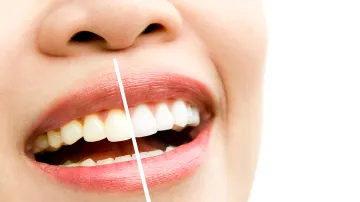


Professional teeth whitening is a dentist-supervised treatment designed to brighten natural tooth enamel and reduce stains from coffee, tea, wine, tobacco, aging, and everyday discoloration. If you want whiter teeth, faster results, and a safer whitening plan, professional whitening may be a good option.
During a professional tooth whitening appointment, your dentist will usually check your teeth and gums first, discuss your goals, choose the right whitening approach, protect your gums, apply whitening gel, and monitor your results. Many patients choose professional teeth whitening in El Paso, TX because they want a brighter smile with dentist guidance instead of guessing with store-bought products.
What Is Professional Teeth Whitening?
Professional teeth whitening is a cosmetic dental treatment that uses whitening gel to reduce stains on natural tooth enamel. It can be done in the dental office or with dentist-supervised take-home trays, depending on your needs.
Professional whitening may help with:
- Yellow teeth
- Coffee stains
- Tea stains
- Wine stains
- Tobacco stains
- Surface stains
- Mild to moderate tooth discoloration
- Dull tooth color
- Smile brightness before an event
The goal is to make your natural teeth look brighter while keeping your gums and enamel protected during treatment.
Why Choose Professional Teeth Whitening?
Professional whitening is different from over-the-counter whitening because it starts with a dental evaluation. Your dentist can check whether your teeth and gums are healthy enough for whitening and whether whitening is likely to work for your type of stains.
Professional whitening may be a better choice if you want:
- Fast teeth whitening results
- Dentist-supervised whitening
- Enamel-safe whitening guidance
- Gum protection during treatment
- Better shade planning
- Help with tooth sensitivity
- A whitening plan based on your smile
- Professional stain evaluation
Store-bought products may help some people, but they do not replace a dental exam. If you have cavities, gum irritation, worn enamel, or exposed roots, whitening may cause more sensitivity until those issues are treated.
What Happens Before a Teeth Whitening Appointment?
Before whitening, your dentist may examine your teeth, gums, enamel, and existing dental work. This step is important because not every patient is ready for whitening right away.
Your dentist may check for:
- Cavities
- Gum inflammation
- Tooth sensitivity
- Enamel wear
- Cracked teeth
- Gum recession
- Plaque and tartar buildup
- Crowns, fillings, veneers, or bonding
- Deep stains or internal discoloration
If you need a cleaning first, your dentist may recommend it before whitening. A routine visit through family dentistry in El Paso, TX can help remove buildup, check for cavities, and make sure your teeth are ready for cosmetic whitening.
What to Expect During In-Office Teeth Whitening
In-office teeth whitening is done at the dental office. The exact process may vary, but most appointments follow a similar structure.
Step 1: Shade Check
Your dentist may check your current tooth shade before treatment. This helps compare your before-and-after results and set realistic expectations.
Step 2: Gum Protection
The dental team protects your gums and soft tissues before applying whitening gel. This helps reduce the risk of gum irritation.
Step 3: Whitening Gel Application
A professional whitening gel is applied to the teeth. The gel is designed to break down stains in the enamel and brighten the tooth color.
Step 4: Treatment Monitoring
The dentist or dental team monitors your teeth and gums during treatment. The gel may be applied in one or more rounds depending on the whitening system and your goals.
Step 5: Final Shade Review
After treatment, your dentist may review the shade improvement and give you instructions for protecting your results.
How Long Does Professional Teeth Whitening Take?
Professional teeth whitening appointment time can vary depending on the whitening system, your starting shade, and your stain level. Many in-office whitening visits can be completed in one appointment.
Some patients may need more than one session if they have deeper stains, heavier discoloration, or a specific shade goal. Your dentist can explain what timeline is realistic for your smile.
How White Will My Teeth Get?
Whitening results vary from person to person. Some patients see a noticeable shade improvement, while others have more modest results. Your final shade depends on your natural tooth color, enamel thickness, stain type, age, diet, and whitening response.
Professional teeth whitening may work well for:
- Yellow teeth
- Coffee stains
- Tea stains
- Wine stains
- Tobacco stains
- Surface discoloration
- Dull enamel color
It may not work as well for gray discoloration, internal stains, trauma-related discoloration, or color changes caused by certain medications. Your dentist can tell you what type of result to expect before treatment.
Does Professional Teeth Whitening Hurt?
Professional teeth whitening should not be painful, but some patients may feel temporary tooth sensitivity during or after treatment. Sensitivity can happen because whitening gel opens the enamel surface slightly during the whitening process.
You may be more likely to feel sensitivity if you have:
- Existing sensitive teeth
- Gum recession
- Thin enamel
- Cracked teeth
- Untreated cavities
- Worn tooth edges
- Exposed roots
Tell your dentist if you already have sensitivity. They may adjust your whitening plan, recommend desensitizing products, or treat dental problems before whitening.
Is Professional Teeth Whitening Safe?
Professional teeth whitening is safe for many patients when supervised by a dentist. The dental team can protect your gums, check for dental problems first, and guide you toward an option that fits your oral health.
Safe whitening starts with knowing what is causing the discoloration. Whitening should not be used to hide tooth decay, gum disease, cracks, or dental pain. If those problems are present, they should be treated first.
What Stains Can Professional Whitening Help?
Professional teeth whitening can help many stains on natural enamel.
Coffee and Tea Stains
Coffee and tea are common causes of tooth discoloration. Professional whitening can often improve these stains, especially when paired with good oral hygiene and regular cleanings.
Wine Stains
Red wine can stain enamel over time. Whitening may help reduce discoloration from wine, but results last longer when stain exposure is limited.
Tobacco Stains
Smoking and tobacco use can cause yellow or brown stains. Professional whitening may improve tobacco stains, but the stains can return faster if tobacco use continues.
Yellow Teeth
Yellow teeth often respond well to whitening, especially when discoloration is caused by enamel staining, aging, or surface buildup.
Deep Stains
Deep stains may not respond as well to whitening. If stains are internal or caused by trauma, medication, or older dental work, your dentist may discuss other cosmetic options.
Does Whitening Work on Crowns, Veneers, or Fillings?
No. Teeth whitening works on natural tooth enamel. It does not change the color of crowns, veneers, fillings, bonding, or other restorations.
This matters because whitening your natural teeth may make older dental work stand out if it no longer matches. If you have front-tooth restorations, your dentist may recommend whitening first and then updating visible restorations afterward.
For stains or discoloration that do not respond well to whitening, veneers in El Paso, TX may be discussed after your teeth and gums are healthy.

What Happens After Teeth Whitening?
After professional whitening, your teeth may feel slightly sensitive for a short time. Your dentist may give you instructions to reduce sensitivity and protect your results.
After whitening, you may be told to:
- Avoid dark drinks for a short period
- Limit coffee, tea, and red wine
- Avoid tobacco
- Drink water often
- Brush gently
- Use toothpaste recommended by your dentist
- Avoid harsh whitening products
- Keep regular dental cleanings
Your teeth may continue to settle into their final shade after treatment. Your dentist can explain what to expect based on the whitening system used.
How to Maintain Whitening Results
Keeping your smile bright after whitening depends on daily habits.
To help maintain whiter teeth:
- Brush twice daily
- Floss every day
- Drink water after coffee or tea
- Avoid tobacco
- Limit dark drinks
- Keep regular dental cleanings
- Use whitening products only as directed
- Avoid harsh DIY whitening methods
- Schedule dental exams
A bright smile lasts longer when your teeth are clean, healthy, and protected from frequent staining.
What Should You Avoid After Whitening?
Right after whitening, your teeth may be more likely to pick up stains. Your dentist may recommend avoiding heavily colored foods and drinks for a short time.
Common items to limit include:
- Coffee
- Tea
- Red wine
- Cola
- Dark berries
- Tomato sauce
- Soy sauce
- Curry
- Tobacco products
- Dark juices
You do not need to avoid every staining food forever. The goal is to reduce heavy staining exposure, especially right after treatment.
Who Is a Good Candidate for Professional Whitening?
You may be a good candidate for professional whitening if your teeth and gums are healthy and your stains are on natural enamel.
Good candidates often have:
- Yellow teeth
- Stained teeth
- Coffee or tea discoloration
- Dull tooth color
- Healthy gums
- No untreated cavities
- Realistic expectations
- Natural teeth in the smile zone
Your dentist can confirm whether whitening is the best option after an exam.
Who Should Wait Before Whitening?
Some patients should treat dental problems before whitening.
You may need to wait if you have:
- Untreated cavities
- Gum disease
- Severe tooth sensitivity
- Cracked teeth
- Worn enamel
- Exposed roots
- Leaking fillings
- Active dental pain
- Heavy tartar buildup
Whitening unhealthy teeth can increase discomfort and may not give the best result. A dental exam helps protect your teeth before cosmetic treatment.
Professional Teeth Whitening vs Store-Bought Whitening
Store-bought whitening products may help with mild stains, but they are not customized to your oral health. Professional whitening gives you dentist guidance, gum protection, and a treatment plan based on your teeth.
Professional whitening may offer:
- Stronger whitening options
- Faster results for many patients
- Better soft tissue protection
- Professional shade evaluation
- Sensitivity management
- A safer plan for patients with dental concerns
The best option depends on your teeth, stain type, budget, and sensitivity level.
Professional Teeth Whitening in El Paso, TX
If you want professional teeth whitening in El Paso, TX, Mesa Street Dental can evaluate your teeth and recommend a whitening plan based on your goals. Whether you have yellow teeth, coffee stains, tea stains, wine stains, or dull enamel, a dentist can help you understand what results are realistic.
Professional whitening can help improve smile confidence, but it works best when your teeth and gums are healthy first. A dental exam can confirm whether whitening is right for you.
Final Thoughts
Professional teeth whitening can help brighten your smile, reduce tooth stains, and improve the appearance of yellow teeth. During your appointment, you can expect a dental evaluation, shade discussion, gum protection, whitening gel application, and aftercare instructions.
Whitening results vary, but dentist-supervised treatment can help you whiten safely and avoid common mistakes with over-the-counter products. If you want a brighter smile, our El Paso dentist can help you explore professional whitening options based on your needs. Schedule a consultation at Mesa Street Dental today.