

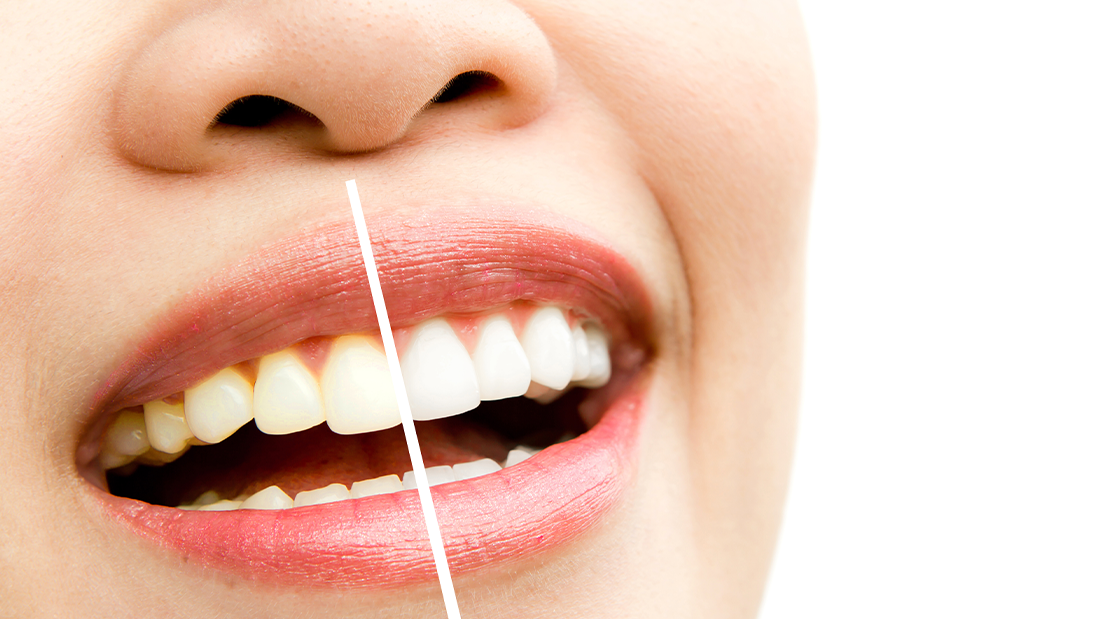
The foods and drinks that stain your teeth the most are usually dark-colored, acidic, or highly pigmented. Coffee, tea, red wine, soda, berries, tomato sauce, curry, and dark fruit juices are some of the most common causes of tooth stains. These items can leave pigments on the enamel, make surface stains more noticeable, and contribute to yellow teeth over time.
Tooth staining does not always mean your teeth are unhealthy, but it can make your smile look dull, yellow, or uneven. The good news is that many surface stains can be reduced with good oral hygiene habits, routine dental cleanings, whitening toothpaste, and professional whitening treatment.
If your teeth already look yellow or stained, our professional teeth whitening can help you explore safe whitening options for a brighter smile.
What Causes Tooth Staining?
Tooth stains can happen when pigments from foods, drinks, tobacco, or plaque collect on the tooth surface. These are often called surface stains. Some stains can also develop deeper within the tooth, especially from aging, trauma, medication, or enamel changes.
Common causes of tooth stains include:
- Dark-colored drinks
- Highly pigmented foods
- Acidic foods and drinks
- Plaque buildup
- Tobacco use
- Poor brushing and flossing habits
- Natural aging
- Deep tooth discoloration
- Old dental restorations
Plaque and stains often go together. When plaque stays on teeth, pigments from coffee, tea, soda, and foods can stick more easily. This can make teeth look yellow, brown, or dull.
If you are not sure whether your tooth discoloration is from staining, aging, or another cause, read our guide on why teeth are yellow.

Foods and Drinks That Stain Teeth the Most
Some foods and drinks are more likely to stain teeth because they are dark, acidic, sticky, or rich in strong color pigments. You do not always need to avoid them completely, but knowing which ones cause stains can help you protect your smile.
1. Coffee
Coffee stains on teeth are very common. Coffee contains dark pigments that can cling to enamel, especially when you drink it often throughout the day. Coffee is also slightly acidic, which can make enamel more vulnerable to discoloration over time.
Coffee may contribute to:
- Yellow teeth
- Brown stains on teeth
- Surface stains
- Dull-looking enamel
- Stained smile
Adding sugar or flavored syrups can also increase the risk of plaque buildup, which may make stains stick more easily.
To reduce coffee stains, try drinking water after coffee, avoid sipping it all day, and keep up with routine dental cleanings.
2. Tea
Tea stains on teeth can be just as noticeable as coffee stains. Black tea is especially likely to stain because it contains tannins, which can help pigments attach to tooth enamel.
Green tea and herbal teas may also stain, although usually less than black tea. If you drink tea daily, it can slowly contribute to enamel discoloration and yellow teeth.
To reduce tea stains:
- Rinse with water after drinking tea
- Avoid adding too much sugar
- Do not sip tea for long periods
- Brush and floss daily
- Schedule routine cleanings
3. Red Wine
Red wine stains teeth because it is dark, acidic, and contains tannins. The acid can make the tooth surface more likely to hold color, while the deep red pigments can leave visible stains.
Red wine may cause:
- Purple or gray surface stains
- Yellowing over time
- Dull enamel
- Stains around plaque buildup
If you drink red wine, rinse with water afterward and avoid brushing immediately after acidic drinks. Waiting a little before brushing helps protect enamel from unnecessary wear.
4. Soda
Soda stains teeth in more than one way. Dark sodas contain color pigments that can stain enamel, while the acidity can weaken the tooth surface. Regular soda also contains sugar, which can feed bacteria and increase plaque.
Even light-colored sodas can be acidic. This means they may still contribute to enamel wear, sensitivity, and discoloration.
Soda may contribute to:
- Yellow teeth
- Enamel discoloration
- Surface stains
- Tooth sensitivity
- Higher cavity risk
If you drink soda, try to limit frequency and rinse with water afterward.
5. Berries and Dark Fruit Juices
Berries can stain teeth because they contain strong natural pigments. Blueberries, blackberries, raspberries, cherries, and pomegranate can leave color on the enamel. Dark fruit juices, such as grape juice and cranberry juice, may also stain teeth.
Berries are healthy, so the goal is not to avoid them completely. Instead, rinse with water after eating them and avoid letting fruit juice sit on your teeth for long periods.
Berries and dark juices can cause:
- Purple stains
- Dark surface stains
- Enamel discoloration
- A stained smile
6. Tomato Sauce
Tomato sauce stains teeth because it is both acidic and deeply colored. Pasta sauce, pizza sauce, ketchup, and tomato-based soups can leave red-orange pigments on the enamel.
Acidic foods can make stains easier to develop because they may temporarily soften the enamel surface. This is why tomato sauce can be a common cause of tooth stains, especially when eaten often.
To reduce staining, drink water with your meal and brush later after your mouth has had time to neutralize the acid.
7. Curry
Curry stains teeth because it contains strong yellow and orange pigments. Turmeric, a common ingredient in curry, is known for its deep color and can contribute to yellow stains over time.
Curry may cause more staining when eaten frequently or when plaque is present on teeth. Good brushing, flossing, and routine cleanings can help reduce buildup and stain retention.
8. Dark Sauces
Dark sauces can also stain teeth. Soy sauce, balsamic vinegar, barbecue sauce, and dark marinades can stick to tooth surfaces and leave pigments behind.
These sauces are often acidic, dark, or sticky, which makes them more likely to contribute to surface stains.
If you eat dark sauces often, try pairing meals with water and brushing later in the day.
9. Energy Drinks and Sports Drinks
Energy drinks and sports drinks may not always look dark, but many are acidic and contain artificial colors. Acidic drinks can contribute to enamel changes and make teeth more likely to stain.
Some energy drinks also contain sugar, which can increase plaque buildup. When plaque builds up, stain-causing foods and drinks can cling more easily.
If you drink these beverages, avoid sipping them for long periods and rinse with water afterward.
10. Candy and Colored Sweets
rightly colored candy, popsicles, and sweets can stain your tongue and teeth. If a food strongly stains your mouth, it may also leave pigments on your enamel.
Sticky candy can be especially harmful because it stays on the teeth longer. This may contribute to plaque, stains, and cavities.
If you notice dark spots and are unsure whether they are stains or decay, read our guide on cavity vs stain.
Acidic Foods and Their Effect on Tooth Stains
Yes, acidic foods and drinks can make stains worse by affecting the enamel surface. Acid does not directly “paint” your teeth, but it can make enamel more vulnerable to discoloration and sensitivity.
Common acidic items include:
- Soda
- Citrus drinks
- Sports drinks
- Tomato sauce
- Wine
- Vinegar-based foods
- Some fruit juices
After acidic foods or drinks, rinse with water. Avoid brushing immediately after acidic items because enamel may be temporarily softened. Give your mouth time to recover before brushing.
Tips To Prevent Food and Drink Stains on Your Teeth
You do not have to remove every stain-causing food from your diet. Small habits can reduce staining and help keep teeth white.
To help prevent tooth stains:
- Drink water after coffee, tea, wine, or soda
- Avoid sipping dark drinks all day
- Use a straw for dark-colored drinks when possible
- Brush twice daily
- Floss once daily
- Keep up with dental cleanings
- Limit tobacco use
- Reduce sugary drinks
- Avoid brushing immediately after acidic foods
- Use whitening toothpaste for surface stain maintenance
foods and drinks can stick more easily.
For more oral hygiene support, visit our routine dental cleanings.
Teeth Whitening After Stains
help improve your smile. Whitening treatments work best on natural teeth with external or certain internal stains.
A dentist can help determine whether your stains are likely to respond to whitening. This is important because crowns, veneers, bridges, and tooth-colored fillings do not whiten like natural teeth.
If you are considering whitening, read our guide on what to expect during teeth whitening For tips after treatment, see keep your smile bright after whitening.
Final Thoughts
Coffee, tea, red wine, soda, berries, tomato sauce, curry, dark sauces, and colored sweets are some of the foods and drinks that stain teeth the most. These items can cause surface stains, yellow teeth, enamel discoloration, and a dull smile over time.
The best way to prevent stains is to maintain strong oral hygiene habits, drink water after stain-causing foods and drinks, avoid constant sipping, schedule routine cleanings, and consider professional whitening treatment when stains become noticeable.