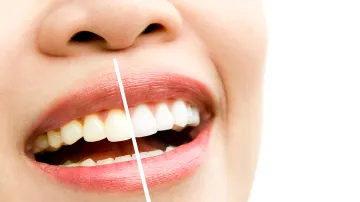

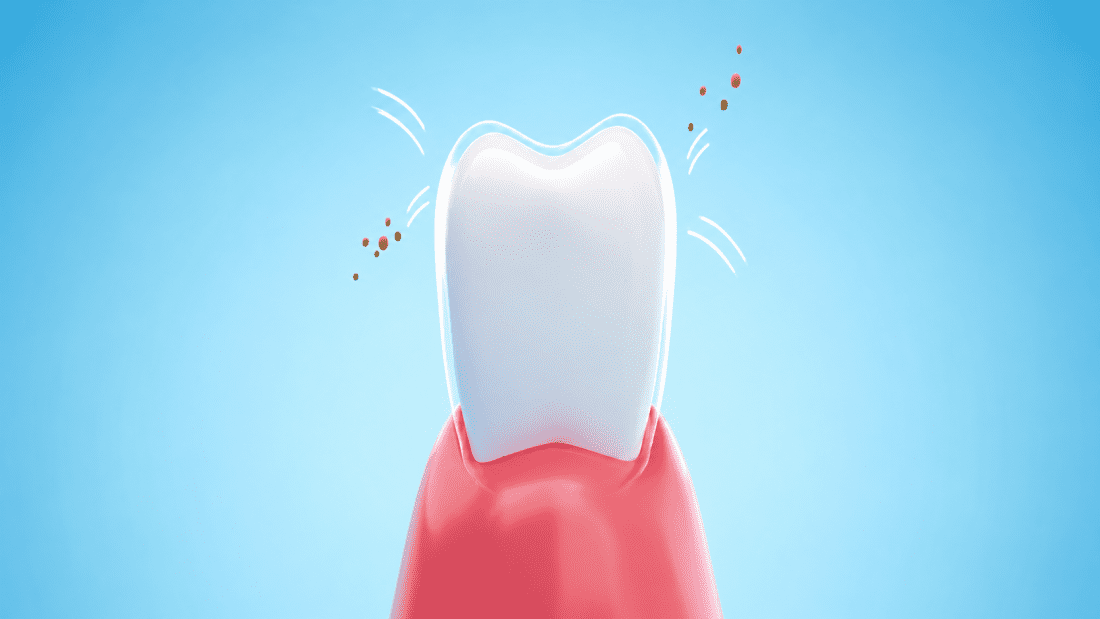
Fluoride helps protect your teeth by strengthening tooth enamel, supporting enamel remineralization, and lowering the risk of tooth decay. It is one of the most common tools used in preventive dentistry because it helps teeth fight acid attacks from plaque bacteria.
Fluoride is found in many dental care products, including fluoride toothpaste, mouth rinses, and professional fluoride treatments. Dentists may also recommend fluoride after teeth cleaning for patients who have weak enamel, sensitive teeth, frequent cavities, dry mouth, braces, gum recession, or a higher cavity risk.
If you want stronger teeth and better cavity prevention, fluoride can be an important part of your oral health routine.
What Is Fluoride?
Fluoride is a naturally occurring mineral that helps protect teeth from decay. In dental care, fluoride is used to strengthen enamel and make teeth more resistant to acid damage.
Tooth enamel is the hard outer layer of your teeth. Every day, acids from plaque bacteria, sugary foods, and acidic drinks can weaken enamel. Fluoride helps by replacing lost minerals and making enamel stronger.
Some people spell it “flouride,” but the correct spelling is fluoride.
What Does Fluoride Do To Your Teeth?
Fluoride protects teeth in three main ways:
- It strengthens tooth enamel.
- It helps repair early enamel damage through remineralization.
- It helps reduce acid attacks from bacteria in the mouth.
This is why fluoride is commonly used for tooth decay prevention, cavity prevention treatment, and long-term tooth protection.
How Fluoride Helps Teeth
Fluoride helps teeth by supporting the natural repair process of enamel. When plaque bacteria produce acid, minerals can be lost from the tooth surface. This process is called demineralization.
Fluoride helps reverse early mineral loss before it becomes a cavity. This process is called remineralization.
In simple terms:
- Plaque bacteria attack enamel with acid.
- Enamel loses minerals.
- Fluoride helps put minerals back.
- Stronger enamel becomes more resistant to future acid attacks.
This is one of the main benefits of fluoride for teeth.
Fluoride Strengthens Enamel
Fluoride strengthens enamel by making the tooth surface more resistant to acid. Strong enamel is important because enamel protects the inner layers of the tooth.
Weak enamel can lead to:
- Tooth sensitivity
- Early tooth decay
- White spots
- Cavities
- Enamel wear
- Higher cavity risk
Fluoride enamel protection is especially helpful for patients who are prone to cavities or have early signs of enamel weakening.
Fluoride and Tooth Decay
Tooth decay happens when bacteria in the mouth produce acids that damage enamel. If enamel damage continues, a cavity can form.
Fluoride helps prevent cavities by slowing or stopping early tooth decay before it turns into a hole in the tooth. Once a cavity has already formed, fluoride cannot fill the hole. A dentist must repair it with a filling, crown, or another treatment.
Fluoride is most helpful when decay is still in the early stage.
Fluoride for Cavity Prevention
Fluoride for cavity prevention is useful for both kids and adults. It helps protect teeth from daily acid attacks and supports long-term oral health.
You may benefit from fluoride if you have:
- Frequent cavities
- Weak enamel
- Sensitive teeth
- Dry mouth
- Gum recession
- Braces or aligners
- A high-sugar diet
- Exposed tooth roots
- Poor saliva flow
- A history of dental caries
- Difficulty brushing or flossing well
A dentist can check your cavity risk and decide whether professional fluoride treatment is needed.
Benefits of Fluoride for Teeth
Fluoride offers several oral health benefits.
Helps Prevent Cavities
Fluoride helps prevent cavities by making enamel stronger and more resistant to acid damage.
Supports Enamel Remineralization
Fluoride helps replace minerals lost from early enamel damage. This can help stop early tooth decay from progressing.
Protects Weak Enamel
Patients with weak enamel may be more likely to develop cavities and sensitivity. Fluoride can help strengthen the enamel surface.
Helps With Tooth Sensitivity
Fluoride for sensitive teeth may help reduce discomfort by strengthening enamel and protecting exposed areas. Your dentist may recommend fluoride varnish, prescription fluoride toothpaste, or another sensitivity treatment.
Supports Long-Term Tooth Protection
Using fluoride consistently can help protect teeth over time, especially when combined with brushing, flossing, healthy eating, and regular dental checkups.
Fluoride Toothpaste Benefits
Fluoride toothpaste is one of the easiest ways to protect your teeth every day. Brushing with fluoride toothpaste helps remove plaque while also giving enamel regular fluoride exposure.
Fluoride toothpaste benefits include:
- Cavity prevention
- Enamel strengthening
- Acid protection
- Better support against plaque bacteria
- Tooth decay prevention
- Daily enamel protection
- Support for a healthy smile
For best results, brush twice daily with fluoride toothpaste and use proper brushing technique. Spit after brushing, but avoid rinsing heavily with water right away so fluoride can stay on the teeth longer.
Professional Fluoride Treatment
A professional fluoride treatment is a stronger fluoride application performed at a dental office. It may come as a fluoride varnish, gel, foam, or rinse.
A dentist may recommend professional fluoride treatment if you have a higher risk of cavities, weak enamel, sensitive teeth, dry mouth, or exposed roots.
Professional fluoride treatment is quick, non-invasive, and often done after a dental cleaning.
Fluoride After Teeth Cleaning
Fluoride after teeth cleaning helps protect freshly cleaned teeth. After plaque and tartar are removed, fluoride can be applied to strengthen enamel and support cavity prevention.
Your dentist may recommend fluoride after cleaning if you have:
- Recent cavities
- Early tooth decay
- Tooth sensitivity
- Gum recession
- Dry mouth
- Weak enamel
- High cavity risk
- Braces or orthodontic appliances
- A history of frequent decay
Not every patient needs fluoride after every cleaning. Your dentist can decide based on your oral health.
Fluoride Varnish Treatment
Fluoride varnish treatment is a common professional fluoride application. The varnish is painted onto the teeth and hardens quickly when it contacts saliva.
Fluoride varnish may help:
- Strengthen enamel
- Reduce cavity risk
- Protect exposed roots
- Support sensitive teeth
- Help prevent early tooth decay from getting worse
After fluoride varnish, your dentist may give instructions about eating, drinking, and brushing for the rest of the day.
Fluoride for Adults
Fluoride is not only for children. Fluoride for adults can be helpful, especially if the adult has a higher risk of tooth decay.
Adults may benefit from fluoride if they have:
- Dry mouth
- Gum recession
- Exposed tooth roots
- Frequent cavities
- Dental crowns or bridges
- Braces or aligners
- Sensitive teeth
- Weak enamel
- A high-sugar diet
- Difficulty cleaning around dental work
As gums recede, root surfaces can become exposed. These areas do not have the same enamel protection as the crown of the tooth, so fluoride may help reduce decay risk.
Fluoride for Kids
Fluoride for kids helps protect developing and permanent teeth from cavities. Children are often at higher cavity risk because they may still be learning how to brush well and may consume sugary snacks or drinks.
Fluoride toothpaste and professional fluoride treatments can both support cavity prevention for children. However, children should use the correct amount of toothpaste and should be supervised so they do not swallow too much.
Parents should ask a dentist or pediatric dentist how much fluoride toothpaste is right for their child’s age and cavity risk.
Parents can also follow this guide on how to brush your teeth for kids to learn the correct brushing routine and toothpaste amount.
Does Fluoride Stain Teeth?
Fluoride does not stain adult teeth when used correctly. Fluoride toothpaste, fluoride varnish, and professional fluoride treatments are designed to protect enamel, not stain it.
However, too much fluoride during early childhood, while permanent teeth are still developing under the gums, can lead to dental fluorosis. Mild fluorosis may appear as faint white lines or white spots on the teeth.
Once adult teeth have fully developed and come in, fluoride will not cause fluorosis. This is why proper fluoride use is important for children.
Is Fluoride Good for Teeth?
Yes, fluoride is good for teeth when used correctly. It is widely used in preventive dentistry because it helps strengthen enamel and prevent cavities.
Fluoride works best when it is part of a complete oral hygiene routine that includes:
- Brushing twice daily
- Flossing daily
- Limiting sugary foods and drinks
- Drinking water
- Regular dental exams
- Professional teeth cleanings
- Dentist-recommended fluoride treatment when needed
Fluoride is not a replacement for brushing or flossing. It works with your daily routine to improve enamel protection.
Can Fluoride Reverse Cavities?
Fluoride can help reverse early tooth decay before a cavity becomes a hole. This is most effective when decay is still in the early enamel stage.
If a cavity has already formed, fluoride cannot rebuild the missing tooth structure. At that point, the tooth usually needs a dental filling or another restoration.
This is why regular dental checkups matter. A dentist can catch early tooth decay before it becomes more serious.
Fluoride for Weak Enamel
Fluoride for weak enamel can help make the enamel surface more resistant to acid attacks. Weak enamel may show up as sensitivity, white spots, early decay, or frequent cavities.
Patients with weak enamel may need:
- Fluoride toothpaste
- Prescription fluoride toothpaste
- Professional fluoride treatment
- Fluoride varnish
- Dietary changes
- More frequent dental checkups
- Better plaque control
A dentist can recommend the right enamel strengthening treatment based on your teeth.
Fluoride for Sensitive Teeth
Sensitive teeth can happen when enamel is worn down or when tooth roots are exposed. Fluoride for sensitive teeth may help by strengthening enamel and reducing irritation from hot, cold, or sweet foods.
If sensitivity is frequent or severe, do not assume fluoride alone will fix it. Tooth sensitivity can also be caused by cavities, cracked teeth, gum recession, teeth grinding, or worn fillings.
A dental exam can identify the cause and help you choose the right treatment.
Dental Fluoride Application: What To Expect
A dental fluoride application is usually simple and quick. It may be done during a regular dental visit or after a cleaning.
The process may include:
- Your teeth are cleaned or dried.
- Fluoride varnish, gel, foam, or rinse is applied.
- The fluoride stays on the teeth for a short time.
- Your dentist gives aftercare instructions.
You may be told to avoid eating hard foods, drinking hot liquids, or brushing for a short time after fluoride varnish. Instructions can vary depending on the product used.
Who May Need Professional Fluoride Treatment?
Professional fluoride treatment may be recommended for patients with a higher risk of tooth decay.
You may need fluoride treatment if you have:
- Frequent cavities
- Early tooth decay
- Weak enamel
- Tooth sensitivity
- Dry mouth
- Exposed roots
- Gum recession
- Braces
- Poor plaque control
- High sugar intake
- Dental restorations
- Medical conditions or medications that reduce saliva
A dentist can decide how often fluoride treatment is needed based on your cavity risk.
Is Fluoride Safe?
Fluoride is safe and effective when used as directed. Problems are more likely when fluoride is swallowed in large amounts or when young children get too much fluoride while permanent teeth are still developing.
For safe fluoride use:
- Use fluoride toothpaste as directed.
- Supervise young children while brushing.
- Do not let children swallow toothpaste.
- Follow your dentist’s instructions after fluoride varnish.
- Ask your dentist before using prescription fluoride products.
- Keep fluoride products out of reach of children.
Your dentist can help you balance fluoride benefits with safe use.
Fluoride in Preventive Dentistry
Fluoride is an important part of family dentistry in El Paso, TX, helping protect teeth before cavities and other dental problems develop. It is often used along with regular cleanings, dental exams, sealants, oral hygiene instruction, and cavity risk assessment.
Preventive dental care focuses on protecting your teeth early instead of waiting for pain, infection, or cavities to get worse.

Final Thoughts
Fluoride helps protect your teeth by strengthening enamel, supporting remineralization, and reducing the risk of tooth decay. It is used in fluoride toothpaste, professional fluoride treatment, fluoride varnish, and other dental care products.
Fluoride can benefit both kids and adults, especially patients with weak enamel, sensitive teeth, dry mouth, exposed roots, or a history of cavities. It does not stain adult teeth when used correctly, but young children should use the right amount of fluoride toothpaste to reduce the risk of fluorosis.
If you are not sure whether you need fluoride treatment, ask your dentist during your next dental exam or cleaning. A personalized fluoride plan can help protect your teeth and support long-term oral health.