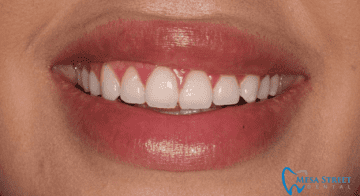


Cavities can often be prevented with daily brushing, flossing, fluoride toothpaste, regular dental cleanings, routine dental exams, dental sealants, a balanced diet, and reduced sugar intake. The goal is to remove plaque, protect tooth enamel, and stop acid attacks before they turn into tooth decay.
A cavity starts when oral bacteria feed on sugars and produce acids. These acids weaken tooth enamel over time. If enamel damage continues, a hole can form in the tooth. Once a true cavity forms, it usually needs dental treatment. Early enamel damage may sometimes be stopped or improved with fluoride protection and better oral hygiene.
If you want to know how to prevent cavities, these dentist-backed tips can help protect healthy teeth, healthy gums, and long-term oral health.
What Causes Cavities?
Cavities are caused by tooth decay. Tooth decay happens when plaque bacteria produce acid that attacks the tooth enamel.
Common cavity causes include:
- Plaque buildup
- Frequent sugar intake
- Sugary drinks
- Poor brushing habits
- Not flossing daily
- Dry mouth
- Weak enamel
- Snacking often
- Skipping dental cleanings
- Not using fluoride toothpaste
- Deep grooves in back teeth
- Poor oral hygiene
- Tartar buildup
- High cavity risk
Cavity prevention works best when you control plaque, reduce sugar, strengthen enamel, and visit the dentist regularly.
Tip 1: Brush Twice Daily With Fluoride Toothpaste
Brushing to prevent cavities starts with brushing twice a day using fluoride toothpaste. Fluoride helps strengthen tooth enamel and protect teeth from acid attacks.
For best results:
- Brush in the morning.
- Brush before bed.
- Brush for two minutes.
- Use a soft-bristled toothbrush.
- Clean every tooth surface.
- Brush gently along the gumline.
- Replace your toothbrush every three to four months.
Bedtime brushing is especially important because plaque and food particles can stay on your teeth overnight.
Tip 2: Floss Every Day
Flossing to prevent cavities is important because toothbrush bristles cannot fully clean between teeth. Cavities often form between teeth when plaque and food particles stay trapped.
Flossing daily helps:
- Remove plaque between teeth
- Reduce food particles
- Support healthy gums
- Lower cavity risk between teeth
- Prevent gum inflammation
- Improve oral hygiene
If traditional floss is difficult, ask your dentist about floss picks, interdental brushes, or a water flosser.
Tip 3: Use Fluoride for Enamel Protection
Fluoride protection is one of the most important ways to prevent tooth decay. Fluoride helps strengthen enamel and may help stop or reverse early enamel damage before a cavity fully forms.
Fluoride can come from:
- Fluoride toothpaste
- Fluoride mouthwash
- Professional fluoride treatment
- Fluoridated water in many communities
- Prescription fluoride toothpaste for high-risk patients
If you get cavities often, ask your dentist whether fluoride treatment for cavities or prescription fluoride toothpaste may be helpful.
Tip 4: Reduce Sugar for Cavity Prevention
Sugar and cavities are closely connected. Oral bacteria use sugar to produce acid. More frequent sugar exposure means more acid attacks on the teeth.
To reduce sugar for cavity prevention:
- Limit candy, cookies, and sweet snacks.
- Avoid sipping soda throughout the day.
- Reduce sports drinks and energy drinks.
- Choose water instead of sugary drinks.
- Keep sweets with meals instead of frequent snacking.
- Read labels for hidden sugars.
- Avoid sticky candies that cling to teeth.
You do not have to remove every sweet food forever, but frequency matters. Constant snacking and sipping sugary drinks increase cavity risk.
Tip 5: Drink More Water
Water supports cavity prevention at home by helping rinse away food particles and reduce dry mouth. Saliva is important because it helps wash the mouth, neutralize acids, and support enamel minerals.
Water is especially helpful after:
- Meals
- Snacks
- Coffee
- Juice
- Sports drinks
- Acidic foods
- Sugary foods
If your mouth feels dry often, schedule a dental checkup. Dry mouth can increase cavity risk.
Tip 6: Choose Foods That Support Healthy Teeth
No food can replace brushing and flossing, but a balanced diet can support tooth decay prevention. Foods that are better for teeth usually provide minerals, support saliva, or are lower in added sugar.
Tooth-friendly choices include:
- Cheese
- Plain yogurt
- Milk
- Leafy greens
- Crunchy vegetables
- Apples with meals
- Nuts and seeds
- Lean proteins
- Eggs
- Water
Try to limit frequent sugary snacks, sticky candies, soda, sweet tea, juice, and refined carbohydrates that sit on teeth.
Tip 7: Ask About Dental Sealants
Dental sealants for cavity prevention are thin protective coatings placed on the chewing surfaces of back teeth. Molars have deep grooves where food and plaque can collect, making them more likely to develop cavities.
Sealants are especially helpful for children and teens, but some adults may benefit too.
Dental sealants can help:
- Protect back teeth
- Block plaque from deep grooves
- Lower cavity risk in molars
- Support children’s cavity prevention
- Add protection where brushing is harder
Ask your dentist if sealants are right for your child or for your own back teeth.
Tip 8: Schedule Regular Dental Cleanings
Regular dental cleanings help remove plaque and tartar buildup that brushing and flossing cannot fully remove at home. Once plaque hardens into tartar, it needs professional dental care.
A dental cleaning can help:
- Remove plaque buildup
- Remove tartar buildup
- Lower cavity risk
- Support gum health
- Freshen breath
- Detect early dental problems
- Improve oral hygiene habits
Regular family dentistry in El Paso, TX can support cavity prevention through professional cleanings, routine exams, and personalized preventive care.
Tip 9: Keep Routine Dental Exams
Routine dental exams help catch early tooth decay before it becomes painful or more serious. Small cavities are usually easier to treat than large cavities.
During a dental exam, your dentist may check:
- Tooth enamel
- Existing fillings
- Plaque buildup
- Tartar buildup
- Cavity risk
- Gum health
- Bite issues
- Dry mouth
- Dental X-rays when needed
Regular dental exams help your dentist recommend the right prevention plan based on your teeth, not general advice.
Tip 10: Treat Early Problems Before Cavities Get Worse
If you already have early decay or a small cavity, do not wait. Learning how to prevent cavities getting worse starts with seeing a dentist and improving your daily routine.
To help prevent a cavity from getting worse:
- Brush twice daily with fluoride toothpaste.
- Floss daily.
- Avoid frequent sugar.
- Drink more water.
- Use fluoride mouthwash if recommended.
- Schedule a dental exam.
- Treat dry mouth.
- Get recommended fillings or fluoride treatment.
- Keep regular dental cleanings.
A cavity that has already formed will not go away with brushing alone. Your dentist can tell whether the area can be monitored, treated with fluoride, or restored with a filling.
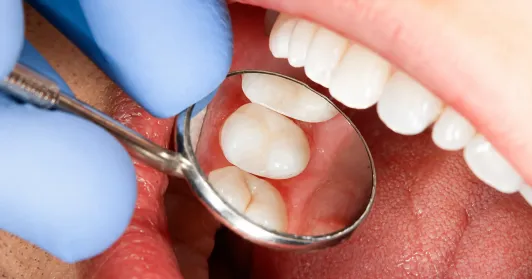
How to Prevent Cavities Naturally
Many patients ask how to prevent cavities naturally. Natural cavity prevention should focus on healthy daily habits, not unsafe home remedies.
Helpful natural habits include:
- Drinking water
- Eating a balanced diet
- Limiting sugar
- Avoiding frequent snacking
- Brushing twice daily
- Flossing daily
- Supporting saliva production
- Avoiding tobacco
- Choosing tooth-friendly snacks
- Keeping regular dental checkups
Be careful with DIY cavity remedies. Oil pulling, baking soda overuse, lemon juice, charcoal, or acidic home treatments cannot repair a true cavity and may irritate gums or damage enamel.
How to Prevent Cavities in Kids
Prevent cavities in kids by starting oral hygiene early and keeping routines consistent. Children often need help brushing and flossing because they do not have the coordination to clean well on their own.
Cavity prevention tips for kids include:
- Brush twice daily with fluoride toothpaste.
- Use the correct toothpaste amount.
- Floss when teeth touch.
- Limit juice and sugary snacks.
- Offer water between meals.
- Schedule children’s dental cleanings.
- Ask about fluoride treatment.
- Ask about dental sealants.
- Supervise brushing.
- Avoid bedtime bottles with milk, juice, or sweet drinks.
Kids should see a dentist regularly to check tooth development, cavity risk, and brushing habits.
How to Prevent Cavities in Babies
Prevent cavities in babies by cleaning the mouth early and avoiding prolonged sugar exposure.
Helpful tips include:
- Wipe the gums with a clean damp cloth before teeth erupt.
- Start brushing as soon as the first tooth appears.
- Use a rice-sized smear of fluoride toothpaste for children under 3.
- Avoid putting babies to bed with bottles of milk, juice, or sweet drinks.
- Do not dip pacifiers in sugar or honey.
- Limit frequent juice.
- Schedule an early dental visit.
- Ask the dentist about fluoride needs.
Baby teeth can get cavities soon after they come in, so early care matters.
How to Prevent Cavities in Adults
Adults can get cavities too. Cavities in adults often happen around old fillings, near the gumline, between teeth, or on exposed roots from gum recession.
To prevent cavities in adults:
- Brush twice daily with fluoride toothpaste.
- Floss every day.
- Treat dry mouth.
- Limit sugary drinks.
- Keep regular dental cleanings.
- Replace failing fillings when needed.
- Use fluoride mouthwash if recommended.
- Ask about prescription fluoride if cavity risk is high.
- Treat gum recession or exposed roots.
- Schedule routine dental exams.
Cavity prevention is not only for children. Adults need consistent care to protect enamel, roots, and existing dental work.
How to Keep Teeth Cavity-Free
To keep teeth cavity-free, focus on consistency. One habit alone is usually not enough.
A strong cavity prevention routine includes:
- Brushing twice daily
- Flossing daily
- Fluoride toothpaste
- Regular dental cleanings
- Routine dental exams
- Reduced sugar
- Water intake
- Balanced diet
- Sealants when recommended
- Fluoride treatment when needed
Your dentist can help you understand your personal cavity risk and create a prevention plan.
Can You Stop Cavities Once They Start?
Early enamel damage may sometimes be stopped or improved with fluoride, better oral hygiene, and reduced sugar exposure. However, once a cavity becomes a hole in the tooth, it usually needs dental treatment.
This is why early detection matters. A small cavity may only need a simple filling, while a larger cavity may require a same-day dental crown, root canal treatment, or more complex care.
If you think you have a cavity, schedule a dental exam instead of waiting for pain.
Signs You May Have a Cavity
Some cavities do not cause symptoms at first. Others may become painful as they grow.
Common signs include:
- Tooth sensitivity
- Toothache
- Pain when biting
- Dark spots on teeth
- White chalky spots
- Visible holes
- Food getting stuck
- Bad breath
- Bad taste
- Sensitivity to sweets
- Sensitivity to cold or heat
Do not wait until pain becomes severe. Early treatment is usually simpler.
Contact an emergency dentist in El Paso, TX if tooth pain becomes severe or is accompanied by facial swelling, fever, trauma, or signs of infection.
Cavity Prevention in El Paso, TX
If you want to prevent cavities in El Paso, TX, schedule regular dental exams and cleanings. A dentist can check your cavity risk, remove tartar buildup, look for early tooth decay, recommend fluoride treatment, and discuss dental sealants for children or high-risk teeth.
At Mesa Street Dental, patients can receive preventive dental care, professional dental cleanings, routine dental exams, cavity screenings, fluoride guidance, and oral hygiene tips to help protect long-term oral health.
A strong home routine and regular dental visits can help keep your smile healthier and reduce the risk of future cavities.
Final Thoughts
Cavities are common, but many can be prevented. The best ways to prevent cavities are brushing twice daily with fluoride toothpaste, flossing daily, reducing sugar, drinking water, eating a balanced diet, getting regular dental cleanings, keeping routine dental exams, and using fluoride treatments or dental sealants when recommended.
If you already have early decay, ask your dentist how to prevent the cavity from getting worse. If a cavity has formed, prompt treatment can stop the damage from spreading.
For cavity prevention in El Paso, TX, schedule a dental checkup and build a daily routine that protects your teeth, gums, and long-term oral health.