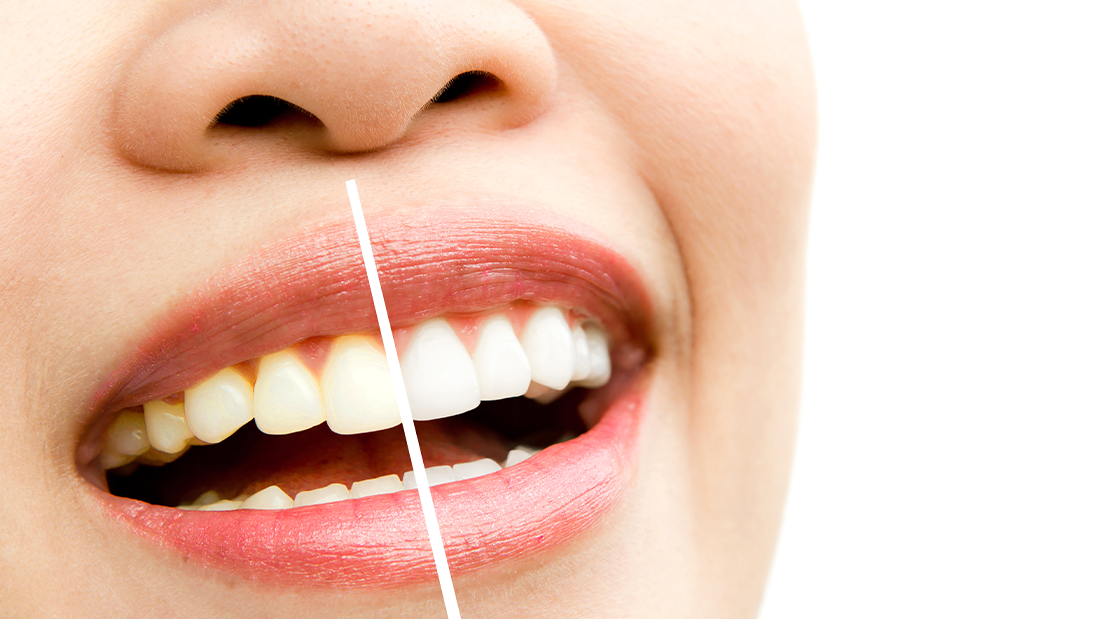
The best way to keep your smile bright is to start with a dental exam, remove surface buildup, choose professional teeth whitening when appropriate, and maintain results with daily oral hygiene and stain control. If you have yellow teeth, coffee stains, tea stains, tobacco stains, or dull tooth color, professional whitening may help brighten your natural enamel safely and effectively.
Professional teeth whitening is different from random whitening products because a dentist supervises it. The dentist can check your teeth and gums first, look for cavities or sensitivity issues, and recommend the right whitening option for your smile.
If you are searching for teeth whitening in El Paso, TX, Mesa Street Dental can help you understand whether professional whitening is right for your teeth, stains, and smile goals.
Why Do Teeth Become Yellow?
Teeth can become yellow for several reasons. Some discoloration comes from surface stains, while other discoloration comes from deeper changes inside the tooth.
Common reasons teeth look yellow include:
- Coffee and tea stains
- Red wine and dark drinks
- Tobacco use
- Soda and sports drinks
- Dark sauces and berries
- Plaque and tartar buildup
- Aging enamel
- Thin enamel
- Dry mouth
- Certain medications
- Old dental work
- Tooth injury
- Poor oral hygiene
Yellow teeth do not always mean your teeth are unhealthy, but discoloration can affect smile confidence. A dentist can help determine whether the discoloration is from surface stains, deep stains, enamel changes, or dental restorations.
What Causes Tooth Stains?
Tooth stains usually fall into two main categories: surface stains and deep stains.
Surface Stains
Surface stains sit on the outer enamel. These stains often come from food, drinks, tobacco, and plaque buildup.
Common causes include:
- Coffee
- Tea
- Cola
- Red wine
- Tobacco
- Dark sauces
- Poor brushing habits
- Tartar buildup
Surface stains may improve with professional cleaning and whitening.
Deep Stains
Deep stains are located below the surface of the enamel or inside the tooth structure. These stains can be harder to remove.
Deep stains may be caused by:
- Aging
- Tooth trauma
- Medication-related discoloration
- Fluorosis
- Long-term staining habits
- Natural tooth shade
- Enamel thinning
Professional whitening may help some deeper stains, but not all stains respond the same way. A dental exam is important before starting treatment.
How Professional Teeth Whitening Works
Professional teeth whitening uses a whitening gel designed to break down stains in natural tooth enamel. The treatment may be done in the dental office or with dentist-supervised take-home whitening trays, depending on your needs.
Professional whitening may help with:
- Yellow teeth
- Coffee and tea stains
- Tobacco stains
- Surface discoloration
- Dull tooth color
- Mild to moderate staining
- Smile brightness before events
The goal is to make the natural teeth appear brighter while protecting the gums and enamel during the process.
Why Choose Professional Teeth Whitening?
Professional whitening is popular because it is supervised by a dentist and customized around your oral health. Before whitening, your dentist can check for cavities, gum irritation, enamel wear, tooth sensitivity, or restorations that may affect results.
Professional whitening offers:
- Stronger whitening than many store-bought products
- Better control over gum protection
- Customized treatment recommendations
- Faster results for many patients
- Enamel-safe whitening guidance
- Professional stain evaluation
- Better planning for sensitive teeth
If you want a brighter smile but are not sure whether whitening is the right option, a visit for cosmetic dentistry in El Paso, TX can help you compare whitening with other smile improvement options.
How to Keep Your Smile Bright After Whitening
Professional whitening can brighten your teeth, but long-term results depend on your daily habits. Teeth can stain again if they are exposed to coffee, tea, tobacco, dark sauces, and poor oral hygiene.
Here are practical ways to keep your smile bright.
1. Brush Twice Daily With Fluoride Toothpaste
Brushing twice a day helps remove plaque and surface stains before they build up. Use a soft-bristled toothbrush and fluoride toothpaste.
Good brushing habits help:
- Reduce plaque buildup
- Remove daily stain particles
- Protect enamel
- Freshen breath
- Lower cavity risk
- Support long-lasting whitening
Do not brush aggressively. Brushing too hard can wear enamel and irritate the gums.
2. Floss Every Day
Flossing helps clean between teeth where brushing cannot reach. This matters because stains and plaque can collect between teeth and make your smile look dull.
Daily flossing supports:
- Healthier gums
- Cleaner spaces between teeth
- Fresher breath
- Less plaque buildup
- Better whitening maintenance
A bright smile is not only about tooth color. Healthy gums also improve the overall appearance of your smile.
3. Rinse With Water After Coffee or Tea
Coffee and tea are two of the most common causes of tooth stains. You do not always need to give them up completely, but rinsing with water after drinking them can help reduce stain buildup.
Helpful habits include:
- Drink water after coffee or tea
- Avoid sipping dark drinks all day
- Use a straw for cold stained drinks
- Brush later, not immediately after acidic drinks
- Keep regular dental cleanings
Frequent sipping gives stains more time to contact your teeth. Drinking water helps wash away some stain particles.
4. Avoid Tobacco Products
Tobacco can cause stubborn yellow or brown tooth stains. It can also affect gum health, breath, and long-term oral health.
Teeth whitening for smokers may improve tooth color, but results may not last as long if tobacco use continues. Quitting or reducing tobacco exposure can help protect whitening results and support healthier gums.
5. Limit Dark and Acidic Foods
Some foods and drinks stain teeth faster than others. Acidic foods can also soften enamel temporarily, making stain control harder.
Common stain-causing items include:
- Coffee
- Tea
- Red wine
- Cola
- Sports drinks
- Tomato sauce
- Soy sauce
- Curry
- Berries
- Dark juices
You do not need to avoid every stain-causing food forever. The key is balance, water rinsing, and consistent oral hygiene.
6. Keep Regular Dental Cleanings
Professional dental cleanings remove plaque and tartar that brushing cannot remove at home. This helps your teeth look cleaner and helps whitening results last longer.
A cleaning may also remove some surface stains before whitening. If buildup is present, whitening may not look as even or effective.
Routine exams through family dentistry in El Paso, TX can also help catch cavities, gum problems, enamel wear, and other issues before whitening treatment.
7. Use Whitening Products Carefully
Whitening toothpaste, strips, and gels can help some patients maintain results, but they should be used correctly. Overusing whitening products may increase tooth sensitivity or gum irritation.
Before using over-the-counter whitening products, ask your dentist which options are safe for your teeth. This is especially important if you already have sensitivity, gum recession, cavities, or dental restorations.
8. Avoid DIY Whitening Tricks
Some online whitening trends can damage enamel or irritate gums. Be careful with harsh methods such as lemon juice, baking soda overuse, charcoal powders, or strong peroxide products not recommended by a dentist.
A bright smile should not come at the cost of enamel damage. Enamel does not grow back once it is worn away.
How to Make Teeth Whiter Fast
If you want to whiten teeth fast, professional in-office whitening is often one of the best options. It can provide noticeable results in less time than many store-bought products.
Professional whitening may be helpful before:
- Weddings
- Photos
- Job interviews
- Graduations
- Holidays
- Special events
- Smile makeover planning
However, fast whitening is not right for everyone. If you have cavities, gum irritation, severe sensitivity, or untreated dental problems, your dentist may recommend treating those issues first.
Best Way to Whiten Teeth Safely
The best way to whiten teeth safely is to start with a dental exam. This helps the dentist check your enamel, gums, tooth sensitivity, cavities, and existing dental work.
A safe whitening plan may include:
- Dental exam
- Professional cleaning if needed
- Shade evaluation
- Review of stain type
- Gum protection
- Dentist-supervised whitening gel
- Sensitivity management
- Maintenance instructions
This approach helps protect your teeth while improving brightness.
How to Remove Stains From Teeth
The best stain removal method depends on the type of stain.
Professional Cleaning
Professional cleaning removes plaque, tartar, and some surface stains. It is often the first step before whitening.
Professional Teeth Whitening
Whitening can help lift many yellow and brown stains from natural enamel. It is especially helpful for common staining from coffee, tea, and aging.
Cosmetic Dental Treatment
Some stains do not respond well to whitening. If discoloration is deep, uneven, or related to old dental work, cosmetic treatment may be a better option.
Whitening for Coffee Drinkers
Coffee stains are common because coffee has dark pigments that can attach to enamel. If you drink coffee daily, whitening results may fade faster without maintenance.
To keep coffee stains under control:
- Rinse with water after coffee
- Avoid sipping coffee for hours
- Use a straw for iced coffee
- Keep routine cleanings
- Brush twice daily
- Touch up whitening only as recommended
Professional whitening can brighten coffee-stained teeth, but your daily habits affect how long results last.
Whitening for Smokers
Smoking and tobacco use can cause heavy tooth stains. Professional whitening may improve the appearance of stained teeth, but continued tobacco use can cause stains to return.
For better long-term results:
- Reduce or quit tobacco
- Keep regular cleanings
- Brush and floss daily
- Follow dentist-approved whitening maintenance
- Avoid overusing whitening products
A dentist can also check for gum disease, oral irritation, and other tobacco-related oral health concerns.
Can Teeth Whitening Remove Deep Stains?
Professional whitening may improve some deeper stains, but not every stain responds the same way. Stains caused by aging, trauma, medication, or internal tooth changes may need a different cosmetic approach.
If whitening does not create the result you want, your dentist may discuss other options. For front teeth with deep stains, uneven color, or cosmetic imperfections, veneers in El Paso, TX may be an option after your teeth and gums are healthy.
Does Whitening Work on Crowns, Veneers, or Fillings?
Teeth whitening works on natural tooth enamel. It does not change the color of crowns, veneers, fillings, bonding, or other restorations.
This is important because whitening your natural teeth can make older dental work look darker by comparison. If you have visible restorations, your dentist can help plan the right order of treatment.
In some cases, whitening is done first. Then old restorations may be updated to match the new tooth shade.
Who Is a Good Candidate for Professional Teeth Whitening?
You may be a good candidate for professional whitening if you have healthy teeth and gums with staining on natural enamel.
Good candidates often have:
- Yellow teeth
- Coffee or tea stains
- Tobacco stains
- Dull tooth color
- Healthy gums
- No untreated cavities
- Realistic expectations
- Natural enamel staining
You may need a different treatment if you have deep internal stains, visible crowns, old bonding, veneers, or severe enamel wear.
Final Thoughts
Professional teeth whitening can help brighten yellow teeth, reduce surface stains, and improve smile confidence. It works best when paired with good brushing, flossing, regular dental cleanings, and smart stain-control habits.
If you want to keep your smile bright, avoid constant exposure to coffee, tea, tobacco, and dark drinks. Rinse with water, keep up with cleanings, and use whitening products only as directed.
For dentist-supervised teeth whitening in El Paso, TX, schedule a consultation at Mesa Street Dental to find out whether professional whitening is right for your smile.