Root canals have a bad reputation, but many fears about them come from outdated information, old dental stories, and common root canal misconceptions. The truth about root canals is simple: root canal treatment is designed to remove infected dental pulp, relieve tooth nerve pain, and help save your natural tooth.
A root canal may be recommended when the inside of a tooth becomes infected or inflamed because of deep decay, a cracked tooth, dental trauma, or a dental abscess. With local anesthesia and modern dental techniques, root canal treatment is usually much more comfortable than many patients expect.
If you have root canal fear or root canal anxiety, understanding the facts can help you make a better decision for your oral health.
What Is a Root Canal?
A root canal is a dental nerve treatment used to treat the infected or inflamed pulp inside a tooth. The dental pulp contains nerves, blood vessels, and connective tissue. When this area becomes infected, it can cause severe toothache, tooth sensitivity, swollen gums, dental abscess, or pain when biting.
During root canal treatment, the dentist removes the infected pulp, cleans and disinfects the inside of the tooth, seals the canals, and restores the tooth with a filling or dental crown when needed.
The goal is to:
- Remove dental infection
- Relieve tooth nerve pain
- Save the natural tooth
- Stop the infection from spreading
- Restore chewing function
- Protect the tooth with a restoration
- Avoid tooth extraction when possible
Root canal therapy is not meant to cause pain. It is meant to treat the source of pain.
Why Do Root Canal Myths Exist?
Root canal myths exist because many people connect root canals with pain from the infected tooth, not the treatment itself. In many cases, patients already have severe tooth pain before they visit the dentist. The root canal is the treatment that removes the infected tissue and helps relieve that pain.
Older dental techniques also created fear for some patients. Today, local anesthesia, dental X-rays, modern instruments, and improved treatment planning make root canal treatment more comfortable and predictable.
Common root canal false beliefs often come from:
- Outdated dental stories
- Fear of needles or dental treatment
- Confusing infection pain with treatment pain
- Root canal rumors online
- Past negative dental experiences
- Waiting too long before getting care
- Not understanding what root canal treatment actually does
Now let’s break down the most common misconceptions about root canals.
5 Myths About Root Canals
These are five of the most common myths about root canals and the truth behind each one.
Myth 1: Root Canals Are Painful
One of the biggest root canal myths is that the procedure is extremely painful. Many patients ask, “Are root canals painful?” because they have heard stories from family, friends, or online sources.
The Truth
Root canal treatment is performed with local anesthesia to numb the tooth and surrounding area. Most patients feel pressure, not sharp pain, during the procedure.
The pain usually comes from the tooth infection, not from the root canal itself. An infected dental pulp can cause severe toothache, throbbing pain, swelling, and sensitivity. Root canal treatment removes the infected tissue and helps relieve the pain.
You may feel mild soreness after the procedure, but this is usually temporary and can often be managed with the dentist’s aftercare instructions.
Myth 2: It Is Better to Pull the Tooth
Another common misconception about root canals is that pulling the tooth is easier than saving it. Some patients think extraction is faster, cheaper, or simpler.
The Truth
Saving your natural tooth is usually the better option when the tooth can be restored. A natural tooth helps maintain chewing function, bite alignment, jaw support, and smile appearance.
Tooth extraction may seem simple at first, but replacing the missing tooth can require additional treatment, such as:
- Dental implant
- Dental bridge
- Partial denture
- Bone grafting in some cases
- Additional visits
- Long-term maintenance
If a tooth can be saved with root canal therapy and a proper restoration, your dentist may recommend preserving it instead of removing it.
Myth 3: Recovery After a Root Canal Is Horrible
Some patients avoid treatment because they believe root canal recovery will be long, painful, or difficult.
The Truth
Root canal recovery is usually manageable. Some tenderness or mild soreness can happen after treatment, especially if the tooth was painful or infected before the appointment. This discomfort usually improves as the area heals.
After a root canal, your dentist may recommend:
- Avoid chewing hard foods on the treated tooth until it is restored
- Take medication only as directed
- Keep the area clean
- Brush and floss carefully
- Return for the permanent filling or dental crown if needed
- Call the office if pain or swelling gets worse
A root canal is often the step that helps stop ongoing infection pain. Delaying treatment can make recovery more complicated if the infection spreads.
Myth 4: Every Root Canal Requires a Specialist
Some patients believe they must always see a specialist for root canal treatment.
The Truth
Many root canals can be performed by a general dentist. However, some complex cases may be referred to an endodontist, which is a dentist who specializes in treating the inside of the tooth.
You may be referred to a specialist if:
- The tooth has complex root anatomy
- The infection is severe
- The tooth has had previous root canal treatment
- The tooth is difficult to access
- There is unusual pain or swelling
- The case needs advanced endodontic care
A general dentist can examine your tooth, take dental X-rays, and determine whether treatment can be completed in-office or whether a specialist referral is best.
Myth 5: If My Tooth Does Not Hurt, I Can Wait
Some patients think they only need a root canal if they have severe pain. This is one of the most risky root canal misunderstandings.
The Truth
A tooth can be infected even if it does not hurt all the time. Sometimes the nerve inside the tooth dies, and the pain may temporarily decrease. That does not mean the infection is gone.
Signs you may still need treatment include:
- Swollen gums
- Pimple-like bump on the gums
- Bad taste in the mouth
- Tooth darkening
- Pain when biting
- Lingering sensitivity
- Dental abscess
- Deep cavity
- Cracked tooth
- Tenderness near the tooth root
Waiting too long can allow the infection to spread and may increase the risk of tooth loss.
More Common Misconceptions About Root Canals
Beyond the five major myths, there are several other root canal rumors and misunderstandings patients often hear.
Myth: Root Canals Cause Illness
Some old root canal rumors claim that root canals cause illness elsewhere in the body.
Modern root canal treatment is a standard dental procedure used to remove infected pulp and save the tooth. The goal is to eliminate bacteria from inside the tooth and prevent reinfection.
If you are concerned about safety, discuss your medical history with your dentist. Your dental team can explain the treatment, risks, benefits, and alternatives based on your health.
Myth: Root Canal Treatment Removes the Whole Tooth
Some patients think a root canal removes the tooth.
A root canal does not remove the whole tooth. It removes the infected or inflamed pulp from inside the tooth. The outer tooth structure remains in place.
After treatment, the tooth is sealed and restored. In many cases, a dental crown is placed to protect the tooth and restore strength.
Myth: A Root Canal Is Only Needed for Severe Toothache
A severe toothache is a common reason for root canal treatment, but it is not the only reason.
You may need a root canal if you have:
- Infected dental pulp
- Dental abscess
- Deep tooth decay
- Cracked tooth
- Trauma to a tooth
- Lingering tooth sensitivity
- Swollen gums
- Pain when biting
- Tooth darkening
- Repeated dental work on the same tooth
A dental exam and X-rays are needed to confirm whether root canal therapy is necessary.
Myth: Antibiotics Can Replace a Root Canal
Some patients believe antibiotics can cure a tooth infection without dental treatment.
Antibiotics may help manage certain dental infections, but they usually do not remove the source of infection inside the tooth. If infected pulp remains inside the tooth, the infection can return or continue spreading.
A root canal treats the source by removing infected pulp, cleaning the canals, and sealing the tooth. In some cases, antibiotics may be used along with dental treatment, but they are not usually a permanent replacement for root canal therapy.
Myth: The Tooth Is Fixed Forever Right After the Root Canal
A root canal removes infection from inside the tooth, but the tooth may still need a final restoration.
Many teeth need a dental crown after root canal treatment, especially back teeth or teeth with large cavities or fractures. The crown helps protect the tooth from breaking and restores chewing function.
Skipping the final restoration can put the tooth at risk for fracture or reinfection.
Signs You May Need a Root Canal
You may need a root canal if the tooth pulp is infected, inflamed, or damaged.
Common signs include:
- Severe toothache
- Tooth nerve pain
- Lingering sensitivity to hot or cold
- Pain when biting or chewing
- Swollen gums
- Dental abscess
- Pimple-like bump on the gums
- Bad taste in the mouth
- Tooth darkening
- Deep cavity
- Cracked or broken tooth
- Facial swelling in more serious cases
Not every tooth with these symptoms needs a root canal, but these signs should be checked by a dentist.
What Happens During Root Canal Treatment?
A root canal usually follows a structured process.
Step 1: Dental Exam and X-Rays
Your dentist examines the tooth and may take dental X-rays to check the root, bone, infection, and surrounding structures.
Step 2: Local Anesthesia
The area is numbed with local anesthesia so you stay comfortable during treatment.
Step 3: Pulp Removal
The dentist creates a small opening in the tooth and removes the infected or inflamed pulp.
Step 4: Cleaning and Shaping
The inside of the tooth and root canals are cleaned, shaped, and disinfected.
Step 5: Sealing the Tooth
The canals are filled and sealed to help prevent reinfection.
Step 6: Tooth Restoration
The tooth is restored with a filling or dental crown. A crown may be recommended if the tooth is weak, cracked, or used for heavy chewing.
Are Root Canals Painful After Treatment?
Some soreness after treatment is normal. The tooth and surrounding tissues may be tender, especially if there was infection or swelling before treatment.
This does not mean the root canal failed. Healing takes time.
Call your dentist if you have:
- Severe pain that gets worse
- Swelling that increases
- Fever
- Bite feels too high
- Temporary filling comes out
- Crown feels loose
- Pain that does not improve
Follow-up care helps protect the tooth and support root canal recovery.
Root Canal Anxiety: How Dentists Help
Root canal anxiety is common. Many patients are nervous because they expect pain or do not know what will happen.
Dentists can help by:
- Explaining the procedure before starting
- Using local anesthesia
- Taking digital X-rays for planning
- Checking that the tooth is numb
- Allowing breaks when possible
- Discussing comfort options
- Giving aftercare instructions
- Answering questions honestly
If you feel anxious, tell your dental team before treatment. A calm conversation can make the appointment easier.
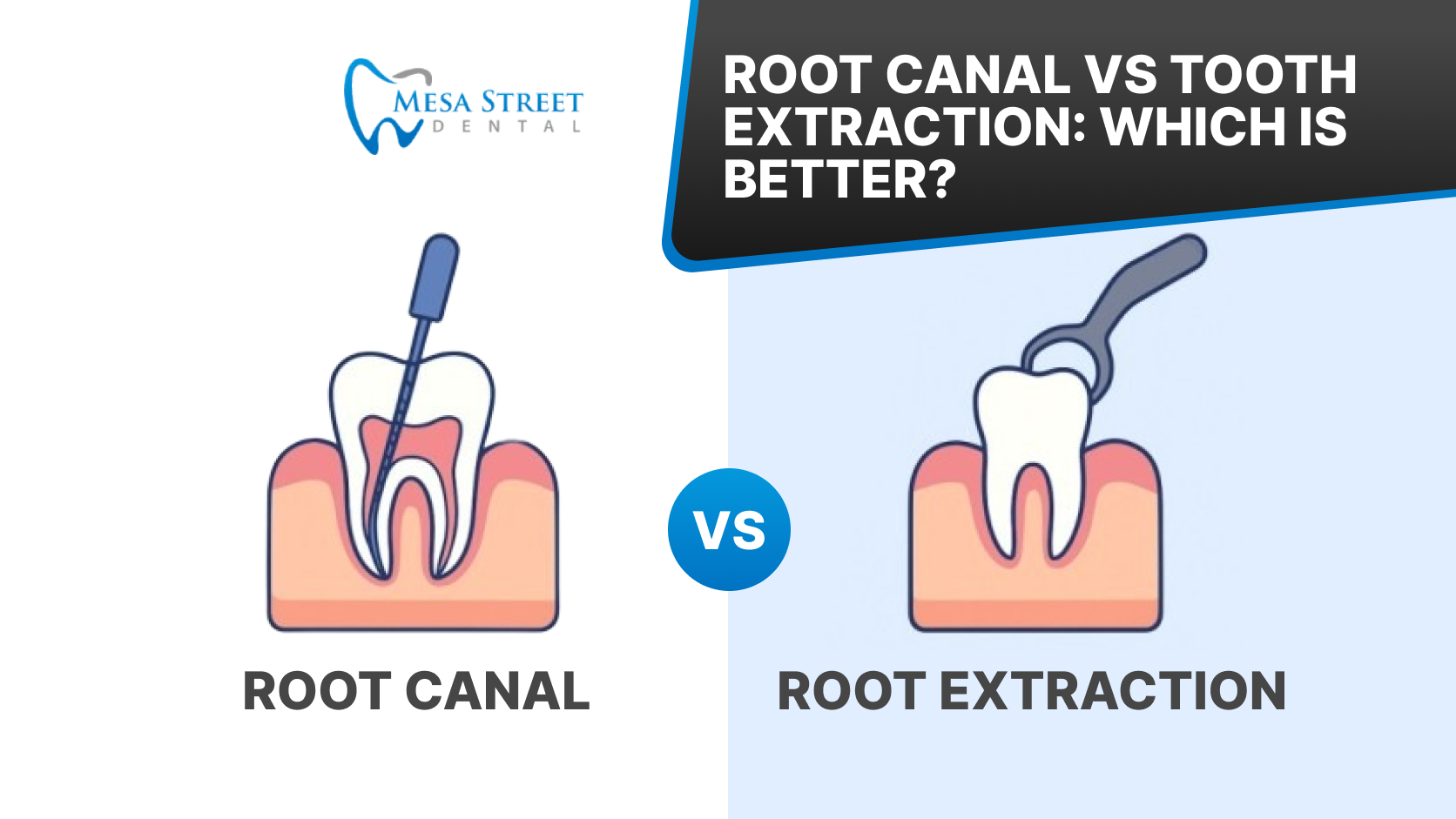
Root Canal vs Tooth Extraction
Root canal treatment and tooth extraction are very different.
Root Canal
A root canal is used to save the natural tooth by treating the infected pulp inside it.
Tooth Extraction
An extraction removes the tooth completely. If the missing tooth needs replacement, treatment may involve a dental implant, bridge, or denture.
When a tooth can be saved, root canal therapy may help preserve your natural bite, chewing function, and smile.
Why Saving the Natural Tooth Matters
Natural tooth preservation is important because your own tooth helps maintain normal function.
Saving a tooth can help:
- Maintain chewing ability
- Support bite alignment
- Avoid tooth shifting
- Preserve smile appearance
- Reduce the need for replacement teeth
- Protect long-term oral health
A dental implant or bridge can replace a missing tooth, but keeping your natural tooth is often preferred when possible.
Final Thoughts
Many root canal myths come from outdated stories and fear of dental treatment. The truth about root canals is that they are designed to relieve pain, remove infection, and help preserve your natural tooth.
Root canals are not meant to hurt. With local anesthesia, modern tools, and careful treatment planning, many patients find the procedure much easier than expected. Recovery is usually manageable, and a dental crown may be recommended to protect the treated tooth.
If you have a severe toothache, tooth sensitivity, swollen gums, dental abscess, or root canal anxiety in El Paso, TX, do not wait. A dental exam can help you understand the cause of the problem and choose the right treatment.