

Root canal myths often make the treatment sound more painful or scary than it really is. The truth is that root canal treatment is designed to remove infection from inside a tooth, relieve pain, and help save the natural tooth.
Many patients fear root canals because they have heard outdated stories about pain, long recovery, or tooth extraction being easier. In reality, modern root canal therapy is commonly performed with local anesthesia, and many patients feel relief once the infected tooth is treated.
If you have a deep cavity, severe toothache, dental pulp infection, swollen gums, or tooth nerve pain, root canal therapy in El Paso, TX may help treat the infection and protect your natural tooth.
What Is a Root Canal?
A root canal is a dental treatment used when the pulp inside a tooth becomes inflamed or infected. The dental pulp contains nerves, blood vessels, and connective tissue. When bacteria reach this area, it can cause pain, sensitivity, swelling, or infection.
During root canal treatment, the dentist removes the infected or inflamed pulp, cleans and disinfects the inside of the tooth, fills the canals, and seals the tooth. A dental filling or crown is often placed afterward to restore strength and function.
A root canal is not done to cause pain. It is done to stop pain, remove infection, and help save a tooth that might otherwise need to be removed.
Why Do People Fear Root Canals?
Many people fear root canals because of old stories, online misinformation, or past dental anxiety. Some patients also confuse the pain from the infected tooth with the treatment itself.
Common reasons people fear root canals include:
- Fear of dental pain
- Bad stories from years ago
- Anxiety about dental procedures
- Misunderstanding what happens during treatment
- Fear of needles or numbness
- Worry about recovery
- Belief that extraction is easier
- Concern about the tooth after treatment
Common Root Canal Myths Debunked
Root canal misconceptions can stop patients from getting the care they need. Here are the most common myths about root canals and the truth behind them.
Myth 1: Root Canals Are Extremely Painful
This is one of the biggest root canal myths. Many patients think root canal treatment causes severe pain. In most cases, the pain comes from the infected tooth before treatment, not from the root canal itself.
With local anesthesia, the tooth and surrounding area are numbed before the procedure. The goal is to keep you comfortable while the dentist removes infection and cleans the inside of the tooth.
After treatment, some soreness or tenderness can happen for a short time, but this is usually manageable and different from the severe toothache caused by infection.
Myth 2: Root Canal Treatment Is Scarier Than Tooth Extraction
Some patients think pulling the tooth is easier than getting a root canal. Extraction may sound simple, but removing a natural tooth can create other problems.
After a tooth is removed, you may need to think about:
- A gap in your smile
- Chewing problems
- Tooth shifting
- Bone changes
- Replacement options
- Dental bridge or implant costs
- Additional appointments
Root canal treatment is often recommended when a tooth can be saved. Keeping your natural tooth can help maintain normal chewing, bite support, and smile appearance.
If a tooth cannot be saved and extraction is needed, your dentist may discuss replacement options such as dental implants in El Paso, TX to help restore function and prevent a long-term gap.
Myth 3: Root Canals Cause Illness
This is an outdated and false belief. Root canal treatment is designed to remove infection from inside the tooth and prevent reinfection. Claims that root canals cause disease in other parts of the body are based on old misinformation, not modern dental science.
The bigger risk is usually leaving an infected tooth untreated. An untreated tooth infection can worsen, spread, and lead to more serious dental or medical concerns.
Myth 4: If My Tooth Stops Hurting, I Do Not Need Treatment
A tooth that suddenly stops hurting is not always a good sign. Sometimes pain decreases because the tooth nerve has died. The infection may still be present even if the pain improves.
You may still need treatment if you notice:
- Swollen gums
- Bad taste in the mouth
- Pus near the tooth
- Pain when biting
- Darkened tooth color
- Lingering sensitivity
- Facial swelling
- A pimple-like bump on the gum
Do not assume the tooth healed just because the pain stopped. A dental exam and X-rays can show whether infection is still present.
Myth 5: Root Canals Remove the Whole Tooth
A root canal does not remove the whole tooth. The dentist removes the infected pulp from inside the tooth while keeping the outer tooth structure in place.
After the inside is cleaned and sealed, the tooth is restored with a filling or crown. This allows the tooth to stay in your mouth and continue helping with chewing and bite support.
Myth 6: Root Canal Recovery Takes a Long Time
Root canal recovery is usually not as difficult as many patients expect. Some tenderness after treatment is normal, especially if the tooth was infected or painful before the procedure.
Most patients can return to normal daily activities soon after treatment, but you should follow your dentist’s instructions. You may need to avoid chewing hard foods on the treated tooth until the final restoration is placed.
If a crown is recommended after root canal treatment, same-day crowns in El Paso, TX may help protect the treated tooth and restore chewing function in less time.
Myth 7: Root Canals Are Only Needed When Pain Is Severe
Severe toothache is one common reason for root canal treatment, but not every infected tooth causes intense pain right away.
You may need a root canal even if pain is mild or comes and goes. A dentist may recommend treatment based on X-rays, infection signs, deep decay, tooth injury, or pulp damage.
Symptoms that may point to a tooth nerve infection include:
- Severe toothache
- Lingering hot or cold sensitivity
- Pain when biting
- Swollen gums
- Tooth discoloration
- Deep cavity
- Dental abscess
- Pimple on the gums
- Bad taste or drainage
- Facial swelling
Early diagnosis can help prevent the infection from getting worse.
Myth 8: Root Canals Are Unsafe
Root canal treatment is a common dental procedure used to treat infected or inflamed pulp. The treatment removes bacteria from inside the tooth and seals the space to help prevent reinfection.
Like any dental procedure, a root canal should be recommended after an exam, X-rays, and diagnosis. Your dentist will explain the benefits, risks, recovery, and restoration needs before treatment.
What Really Happens During a Root Canal?
Knowing the steps can make root canal treatment feel less intimidating.
Step 1: Dental Exam and X-Rays
The dentist examines the tooth and takes dental X-rays to check the root, bone, infection, and tooth structure. This helps confirm whether root canal therapy is needed.
If your symptoms are unclear, a visit for family dentistry in El Paso, TX can help evaluate tooth pain, sensitivity, cavities, and gum health before the problem becomes more serious.
Step 2: Local Anesthesia
The dentist numbs the tooth and surrounding area. This helps keep you comfortable during treatment.
Step 3: Removing the Infected Pulp
The dentist opens the tooth and removes the infected or inflamed pulp from inside the canals.
Step 4: Cleaning and Shaping the Canals
The inside of the tooth is cleaned, shaped, and disinfected to remove bacteria and infected tissue.
Step 5: Filling and Sealing the Tooth
The cleaned canals are filled and sealed to help prevent reinfection.
Step 6: Restoring the Tooth
A filling or dental crown may be placed to restore the tooth. Back teeth often need crowns because they handle strong chewing pressure.
Are Root Canals Painful?
Root canals are not meant to be painful. Local anesthesia is used so you should not feel the procedure. You may feel pressure or movement, but sharp pain should not be expected.
Some soreness after treatment can happen because the tooth and nearby tissues were inflamed before the procedure. This usually improves with time and aftercare instructions from your dentist.
If pain gets worse, swelling develops, or biting feels uncomfortable, contact your dentist.
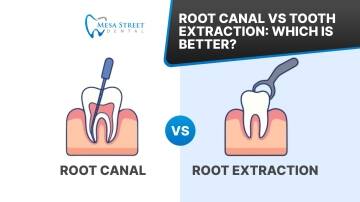
Root Canal vs Tooth Extraction
Root canal treatment and tooth extraction are very different options.
A root canal is used to save the natural tooth by removing infection from inside it. Extraction removes the entire tooth.
Root Canal May Be Recommended When:
- The tooth can still be restored
- The infection is inside the pulp
- Enough tooth structure remains
- The root and bone support are healthy enough
- Saving the tooth is realistic
Extraction May Be Needed When:
- The tooth is too damaged to repair
- The root is fractured
- Severe bone loss is present
- The tooth cannot support a crown
- Infection cannot be controlled with tooth-saving treatment
Saving the natural tooth is often preferred when possible, but the right choice depends on your exam and X-rays.
Signs You May Need Root Canal Treatment
You may need root canal treatment if the dental pulp or tooth nerve is infected or inflamed.
Common signs include:
- Severe toothache
- Pain when chewing
- Lingering sensitivity to hot or cold
- Swollen gums
- Darkened tooth color
- Deep cavity
- Cracked or injured tooth
- Dental abscess
- Pimple-like bump on the gums
- Bad taste in the mouth
- Pain that spreads to the jaw or ear
If you have severe tooth pain, swelling, fever, or a bad taste from drainage, emergency dentistry in El Paso, TX may be needed to check for infection and provide timely care.
What Should El Paso Patients Expect After a Root Canal?
After root canal treatment, you may feel mild soreness or pressure for a short time. This is usually related to the infection and inflammation that were present before treatment.
You should follow your dentist’s instructions and avoid chewing hard foods on the treated tooth until it is fully restored.
After treatment, you may need:
- A permanent filling
- A dental crown
- Bite adjustment
- Follow-up exam
- Good brushing and flossing
- Routine dental visits
The final restoration is important because it protects the treated tooth from fracture and future damage.
How to Avoid Needing a Root Canal
Not every root canal can be prevented, but many start from untreated decay or dental damage. Good preventive care can lower your risk.
To help protect your teeth:
- Brush twice daily with fluoride toothpaste
- Floss every day
- Keep regular dental exams
- Treat cavities early
- Do not ignore tooth sensitivity
- Wear a nightguard if you grind your teeth
- Avoid chewing ice or hard objects
- Get cracked or broken teeth checked
- Limit sugary snacks and drinks
Early dental care can help stop small problems before they reach the tooth nerve.
Final Thoughts
Root canal myths can make patients feel nervous, but the truth is simple: root canal treatment is designed to relieve pain, remove infection, and save the natural tooth when possible.
Modern root canal therapy is commonly performed with local anesthesia. The procedure removes infected pulp, cleans the inside of the tooth, and restores the tooth with a filling or crown.
If you have a severe toothache, deep cavity, swollen gums, lingering sensitivity, or signs of infection, schedule a dental exam in El Paso, TX. Treating the problem early can help protect your smile and prevent more serious dental issues.