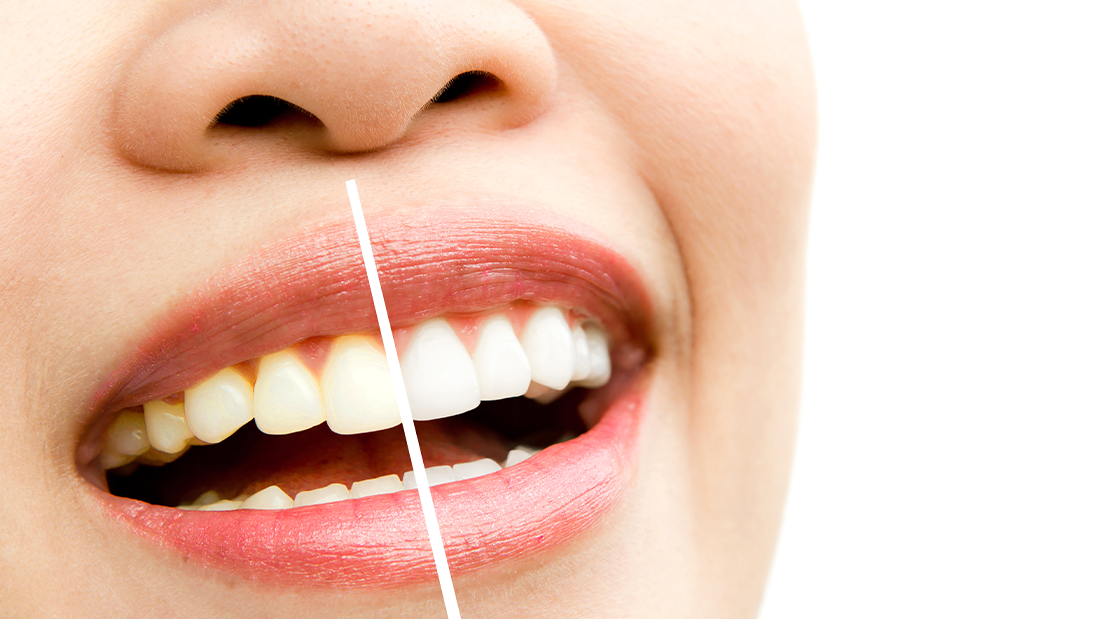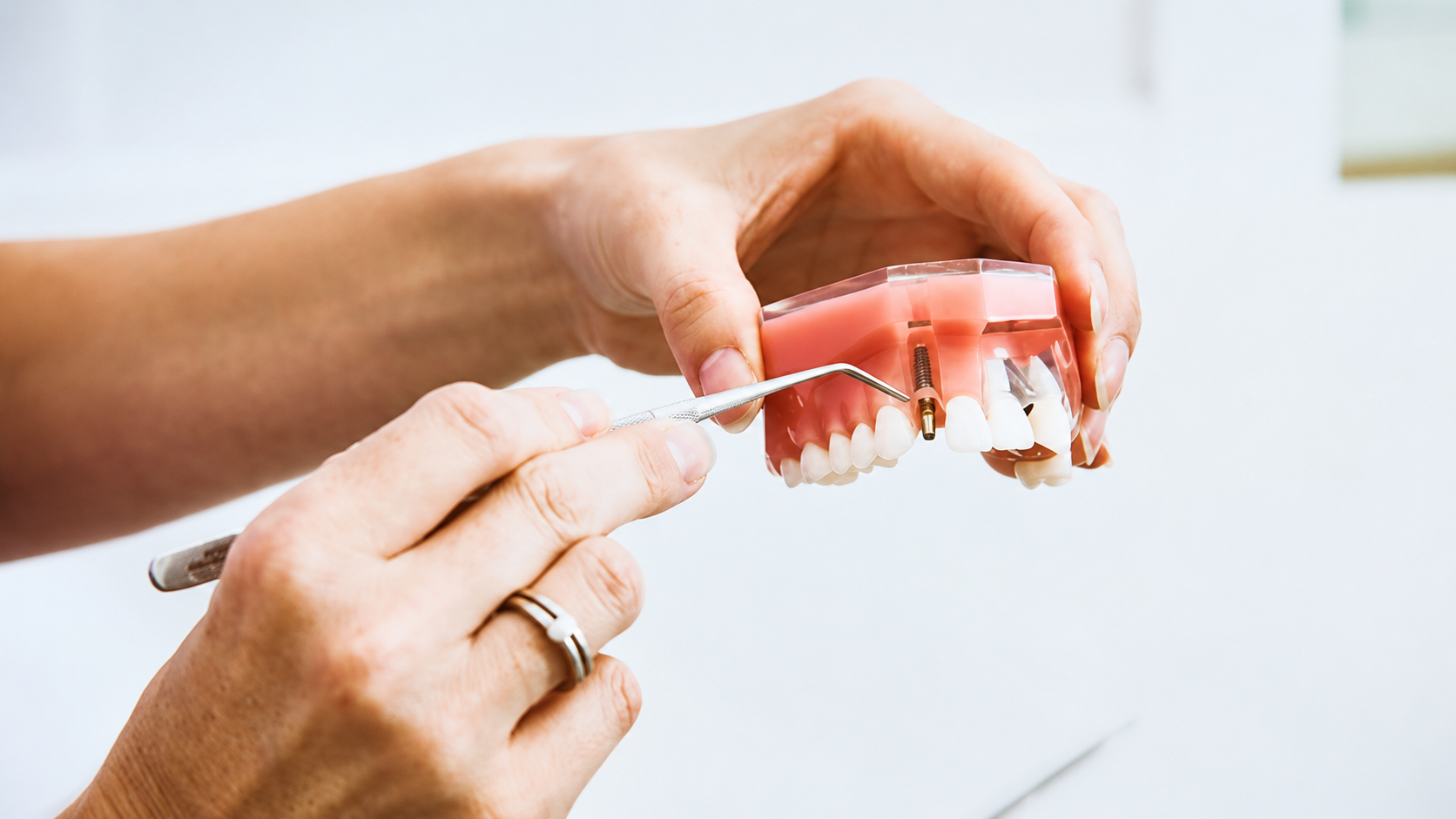
If you do not brush your teeth, plaque starts building up on your teeth and along the gumline. Plaque contains oral bacteria that feed on food particles and sugar. When plaque is not removed, it can lead to bad breath, yellow teeth, tartar buildup, tooth decay, cavities, gingivitis, bleeding gums, and gum disease.
Skipping brushing once may not cause permanent damage, but poor dental hygiene over time can create serious oral health problems. The longer plaque stays on the teeth, the greater the risk of enamel damage, gum inflammation, and dental treatment needs.
Brushing your teeth twice a day with fluoride toothpaste, flossing daily, and keeping regular dental visits are simple habits that help protect your teeth and gums.
Why Brushing Your Teeth Matters
The importance of brushing teeth comes down to plaque control. Plaque is a sticky film of bacteria that forms on the teeth every day. When you brush properly, you remove plaque before it can damage enamel or irritate the gums.
Brushing helps:
- Remove plaque buildup on teeth
- Clear away food particles
- Reduce bacteria in the mouth
- Protect tooth enamel
- Lower the risk of cavities
- Support gum health
- Help prevent bad breath
- Reduce tooth stains
- Support a healthy smile
When brushing becomes inconsistent, plaque and tartar can build up and make dental problems more likely.
What Happens When You Don’t Brush Your Teeth?
When you do not brush your teeth, bacteria and food particles stay in the mouth longer. This can create acid attacks on enamel and inflammation around the gums.
The main effects of not brushing teeth include:
- Plaque buildup
- Tartar buildup
- Bad breath
- Yellow teeth
- Tooth stains
- Tooth decay
- Cavities
- Gum inflammation
- Gingivitis
- Bleeding gums
- Gum disease
- Tooth sensitivity
- Higher risk of dental infections
Not cleaning your teeth regularly gives bacteria more time to damage the mouth.
Plaque Buildup on Teeth
Plaque buildup on teeth is usually the first problem caused by skipping brushing. Plaque forms when bacteria mix with saliva and food particles. It can collect on the tooth surface, between teeth, and along the gumline.
If plaque is not removed, it can lead to:
- Bad breath
- Tooth stains
- Enamel weakening
- Gum irritation
- Cavities
- Tartar buildup
- Gingivitis
Plaque is soft enough to remove with regular brushing and flossing. Once it hardens into tartar, brushing alone will not remove it.
Tartar Buildup on Teeth
Tartar buildup, also called calculus buildup, happens when plaque hardens on the teeth. Tartar can form above or below the gumline and can trap more plaque and bacteria.
Tartar buildup can cause:
- Yellow or brown deposits on teeth
- Rough areas near the gumline
- Bad breath
- Gum inflammation
- Bleeding gums
- Higher risk of gum disease
Tartar cannot be removed with normal brushing. Professional cleaning through family dentistry in El Paso, TX can remove hardened buildup and help protect your teeth and gums.
Bad Breath From Not Brushing
Bad breath is one of the first signs of poor oral hygiene. When food particles and bacteria stay in the mouth, they can produce unpleasant odors.
Bad breath may become worse when plaque builds up on the teeth, tongue, and gumline. Dry mouth, cavities, gum disease, and not cleaning your teeth properly can also make breath smell worse.
If bad breath does not improve with brushing, flossing, tongue cleaning, and water intake, it may be a sign of gum disease, tooth decay, or another oral health problem.
Yellow Teeth and Tooth Stains
Not brushing your teeth can make teeth look yellow, dull, or stained. Plaque and tartar can collect on the enamel, and stain-causing foods and drinks can stick more easily.
Common stain sources include:
- Coffee
- Tea
- Dark soda
- Red wine
- Tobacco
- Dark sauces
- Sugary foods
Brushing helps remove daily surface buildup before it becomes more noticeable. Professional teeth cleaning can remove tartar and some external stains.
Tooth Decay From Not Brushing
Tooth decay from not brushing happens when bacteria in plaque produce acids that attack tooth enamel. Frequent sugar exposure makes this worse because bacteria use sugar to create acid.
Over time, these acid attacks can weaken enamel and create cavities. Early decay may not cause pain. As decay grows deeper, it can lead to sensitivity, toothache, infection, or the need for fillings, crowns, root canal treatment, or tooth extraction. As decay reaches deeper tooth layers, it may cause pain or infection and require root canal treatment in El Paso, TX to help preserve the tooth.
Brushing with fluoride toothpaste helps protect enamel and reduce cavity risk.
Cavities From Not Brushing Teeth
Cavities from not brushing teeth can form when plaque stays on the teeth long enough to damage enamel. Cavities may begin as small weak spots and grow larger if untreated.
Signs of cavities may include:
- Tooth sensitivity
- Pain when eating sweets
- Pain with hot or cold drinks
- Visible holes or dark spots
- Toothache
- Pain when biting
- Food trapping in one area
A cavity will not heal on its own once it becomes a hole in the tooth. A dentist must treat it before it gets worse.
Gum Disease From Poor Oral Hygiene
Gum disease from poor oral hygiene starts when plaque builds up near the gumline. The gums may become red, swollen, tender, or bleed when brushing or flossing.
The early stage of gum disease is called gingivitis. Gingivitis can often be improved with better brushing, flossing, and professional cleaning. If ignored, it can progress to periodontitis, a more serious form of gum disease that can damage the gums and bone supporting the teeth.
Signs of gum disease may include:
- Bleeding gums
- Swollen gums
- Red or tender gums
- Bad breath
- Gum recession
- Loose teeth
- Pain when chewing
- Tartar buildup near the gumline
Healthy gums should not bleed regularly. If your gums bleed often, schedule a dental exam.
What Happens If You Forget to Brush Once?
Forgetting to brush once is not the same as neglecting your teeth for weeks or months. Missing one brushing session may cause temporary bad breath or plaque buildup, but it is unlikely to cause major damage by itself.
The problem starts when skipping brushing becomes a habit. Repeated neglect allows plaque to stay on the teeth longer, harden into tartar, and increase the risk of cavities and gum disease.
If you forget to brush, brush as soon as you remember and return to your normal oral hygiene routine.
What Happens If You Don’t Brush for a Few Days?
If you do not brush for a few days, plaque can become thicker and breath may smell worse. Your teeth may feel fuzzy, sticky, or coated. The gumline may become irritated, especially if you also skip flossing.
You may notice:
- Bad breath
- Sticky or fuzzy teeth
- More plaque
- Gum tenderness
- Bleeding when brushing again
- Unpleasant taste
- Visible buildup near the gums
Brushing and flossing may improve the feeling, but if tartar has formed, you will need a professional teeth cleaning.
What Happens If You Don’t Brush for Weeks or Months?
If you do not brush your teeth for weeks or months, the risk of dental problems becomes much higher. Plaque and tartar buildup can become heavy, gums may bleed more often, and tooth decay may begin or worsen.
Possible consequences include:
- Persistent bad breath
- Yellow teeth
- Tartar buildup
- Cavities
- Gum disease
- Tooth sensitivity
- Pain when chewing
- Loose teeth in advanced cases
- Dental infections
- Need for more complex dental treatment
Long-term dental neglect can make treatment more expensive and more involved than preventive care.
Can Not Brushing Lead to Tooth Loss?
Yes, long-term poor oral hygiene can contribute to tooth loss. Tooth loss may happen when cavities destroy too much tooth structure or when advanced gum disease damages the bone and tissue that support the teeth.
Tooth loss is usually not caused by missing brushing once or twice. It is more likely when plaque, tartar, gum disease, and tooth decay are ignored for a long time.
Regular brushing, flossing, and dental visits can help reduce this risk.
Can Mouthwash Replace Brushing?
No, mouthwash cannot replace brushing. Mouthwash may help freshen breath or support oral hygiene, but it does not remove plaque from tooth surfaces the way a toothbrush does.
A good oral hygiene routine should include:
- Brushing twice daily
- Flossing or cleaning between teeth daily
- Using fluoride toothpaste
- Drinking water
- Keeping regular dental visits
Mouthwash can be helpful when recommended by your dentist, but it should be used as an addition, not a replacement.
Can Flossing Replace Brushing?
No, flossing cannot replace brushing. Flossing cleans between teeth where a toothbrush cannot reach, but it does not clean all tooth surfaces.
Brushing and flossing work together. Brushing removes plaque from the front, back, and chewing surfaces of teeth. Flossing removes plaque and food particles from between teeth and under the gumline.
Skipping either one can leave areas of the mouth uncleaned.
Proper Oral Hygiene Routine
A simple oral hygiene routine can help prevent cavities, gum disease, bad breath, and tartar buildup.
Brush Twice a Day
Brush in the morning and before bed with fluoride toothpaste. Use a soft-bristled toothbrush and gentle pressure.
Brush for Two Minutes
A quick brush may miss plaque near the gumline and back teeth. Spend enough time cleaning all tooth surfaces.
Floss Daily
Flossing removes plaque between teeth. If traditional floss is difficult, ask your dentist about floss picks, interdental brushes, or water flossers.
Clean Your Tongue
Bacteria can collect on the tongue and contribute to bad breath. Use a toothbrush or tongue scraper gently.
Limit Sugary Foods and Drinks
Sugary foods and drinks feed bacteria that produce acids. Reducing sugar frequency helps with tooth decay prevention.
Drink Water
Water helps rinse away food particles and supports saliva. Saliva helps protect enamel and keep the mouth more comfortable.
Keep Regular Dental Visits
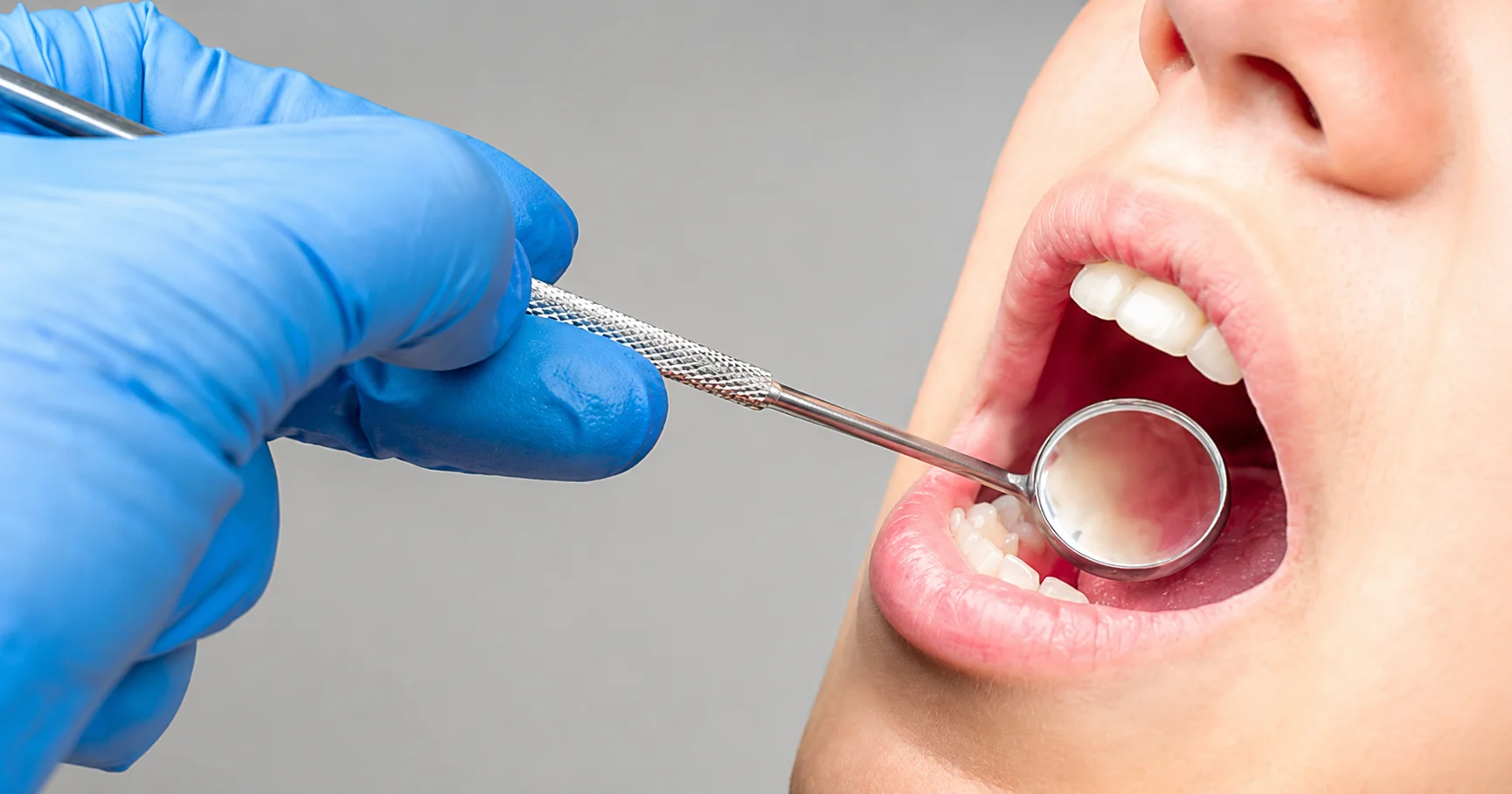
Dental exams and professional cleanings help find problems early and remove tartar that brushing cannot remove.
How to Start Brushing Again After Neglecting Your Teeth
If you have not brushed regularly, do not wait because you feel embarrassed. Dentists see dental neglect often, and their job is to help you get back on track.
Start with these steps:
- Brush gently twice daily with fluoride toothpaste.
- Floss once a day or start slowly if gums bleed.
- Drink more water.
- Reduce sugary snacks and drinks.
- Schedule a dental exam and cleaning.
- Tell your dentist about pain, bleeding, sensitivity, or bad breath.
Your gums may bleed at first if they are inflamed. If bleeding continues, schedule a dental visit.
When Should You See a Dentist?
You should see a dentist if you have signs of tooth decay, gum disease, tartar buildup, or ongoing bad breath.
Schedule a dental exam if you notice:
- Bleeding gums
- Swollen gums
- Tooth pain
- Tooth sensitivity
- Bad breath that does not improve
- Visible tartar
- Yellow or brown buildup
- Loose teeth
- Pain when chewing
- Cavities or dark spots
- A broken tooth
- A bad taste in your mouth
Early care can help prevent small problems from becoming major dental issues.
Final Thoughts
Not brushing your teeth allows plaque, bacteria, and food particles to stay on your teeth and gums. Over time, this can lead to bad breath, yellow teeth, tartar buildup, tooth decay, cavities, gingivitis, bleeding gums, gum disease, and even tooth loss in severe cases.
The best way to avoid these problems is to build a consistent oral hygiene routine. Brush twice a day with fluoride toothpaste, floss daily, limit sugar, drink water, and schedule regular dental visits.
If you have skipped brushing for a while, it is not too late to improve your oral health. Start with daily brushing and flossing, then schedule a dental cleaning to remove buildup and check for problems.