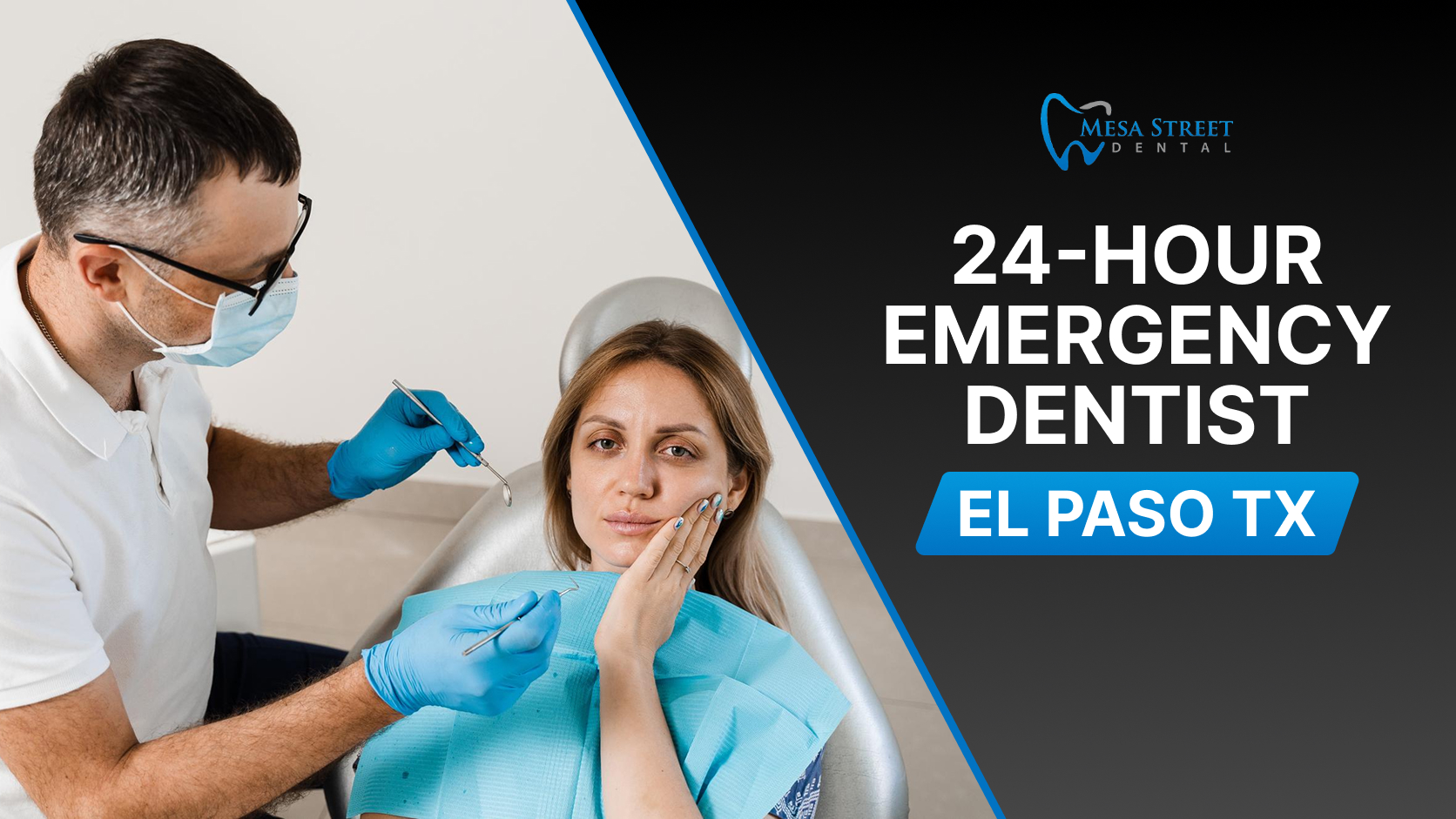
Dental emergencies can happen suddenly. A severe toothache, knocked-out tooth, broken tooth, dental abscess, lost crown, or facial swelling can quickly become painful and stressful. Knowing what counts as a dental emergency can help you get the right care before the problem gets worse.
A dental emergency is any dental problem that needs prompt care to stop severe pain, control bleeding, treat infection, save a tooth, or repair serious tooth damage. Some dental emergencies need a same-day dental visit with an emergency dentist. Others may require the emergency room if there is facial swelling, trouble breathing, trouble swallowing, heavy bleeding, or a suspected broken jaw.
If you have severe tooth pain, swelling, a broken tooth, or a dental infection, emergency dentistry in El Paso, TX can help you get timely care and understand the next step.
This dental emergency guide explains common dental emergencies, warning symptoms, what to do before your appointment, and when to call an emergency dentist.
What Is a Dental Emergency?
A dental emergency is an urgent oral health problem that needs quick treatment. It may involve severe dental pain, infection, swelling, bleeding, trauma, or damage to a tooth or dental restoration.
You may need emergency dental care if you have:
- Severe tooth pain
- A knocked-out tooth
- A broken, cracked, or chipped tooth
- A dental abscess
- Swollen gums or facial swelling
- A lost filling or lost crown
- Dental trauma from an accident or injury
- Bleeding that does not stop
- Pain when biting or chewing
- Signs of an oral infection
If the problem is painful, spreading, bleeding, or affecting your ability to eat, sleep, speak, or function normally, it should be treated as urgent.
When Should You Call an Emergency Dentist?
Call an emergency dentist if you have dental pain or damage that cannot wait for a routine appointment. Same-day dental care may help relieve pain, prevent infection from spreading, and protect the tooth from further damage.
You should call an emergency dentist for:
- Severe tooth pain that does not improve
- Toothache with swelling
- A cracked, broken, or chipped tooth
- A knocked-out tooth
- A loose or partially dislodged tooth
- A lost filling or crown causing pain
- Gum swelling or pus near a tooth
- Jaw swelling related to a dental infection
- Dental trauma from a fall, sports injury, or accident
- Bleeding after injury or dental work that does not stop
- Signs of a tooth infection
If you are not sure whether your symptoms are urgent, it is better to call a dental office and describe what is happening. The team can help decide whether you need an emergency appointment, a same-day dental visit, or medical care.
Common Dental Emergencies
Dental emergencies can range from tooth pain to serious oral infection. These are some of the most common dental emergencies patients experience.
Severe Toothache
A severe toothache can be a dental emergency, especially if the pain is constant, throbbing, getting worse, or keeping you from sleeping. Tooth pain may be caused by deep decay, an infected tooth, a cracked tooth, gum disease, or dental trauma.
A toothache emergency may include:
- Severe tooth pain
- Pain that spreads to the jaw, ear, or face
- Pain when biting or chewing
- Tooth sensitivity that does not go away
- Swollen gums near the painful tooth
- Bad taste or pus near the tooth
- Fever or facial swelling
Urgent tooth pain relief may require a dental exam, dental X-rays, medication, root canal treatment, tooth extraction, or another emergency dental treatment depending on the cause. If the tooth nerve is infected, root canal therapy in El Paso, TX may help remove infection, relieve pain, and save the natural tooth.
Tooth Infection or Dental Abscess
A dental abscess emergency happens when an infection develops around the tooth root or gum area. This can cause severe dental pain, swelling, pus, bad taste, fever, or jaw swelling.
Signs of a tooth infection emergency include:
- Severe, throbbing tooth pain
- Swollen gums
- Pus near the tooth
- Facial swelling
- Jaw swelling
- Fever
- Bad taste in the mouth
- Pain when chewing
- Tender lymph nodes
- Trouble swallowing or breathing
A dental abscess should not be ignored. Treatment may include draining the infection, antibiotics when needed, root canal treatment, or tooth extraction.
Knocked-Out Tooth
A knocked-out tooth is a serious dental emergency. Fast action can improve the chance of saving the tooth.
If an adult tooth is knocked out:
- Hold the tooth by the crown, not the root.
- Rinse it gently with water if dirty. Do not scrub it.
- Try to place it back in the socket if possible.
- If you cannot reinsert it, keep it moist in milk, saliva, or a tooth preservation solution.
- Call an emergency dentist immediately.
Do not wrap the tooth in a dry tissue. Do not let it dry out. A knocked-out baby tooth should not be placed back into the socket unless a dentist tells you to do so.
Cracked Tooth Emergency
A cracked tooth emergency can happen from biting something hard, grinding your teeth, an accident, or untreated decay. Some cracks are minor, but deeper cracks can expose the inner tooth and cause severe pain.
Symptoms of a cracked tooth may include:
- Sharp pain when biting
- Pain that comes and goes
- Sensitivity to hot, cold, or sweet foods
- Swelling near the tooth
- A visible crack or line in the tooth
- Pain that worsens over time
Emergency dental treatment may include bonding, a dental crown, root canal treatment, or tooth extraction if the tooth cannot be saved. If the crack has weakened the tooth but it can still be restored, same-day crowns in El Paso, TX may help protect the tooth and restore chewing function.
Chipped Tooth Emergency
A small chipped tooth may not always be an emergency, but it should still be checked by a dentist. A larger chip can expose the inner tooth, cause pain, or create a sharp edge that cuts the tongue, cheek, or gums.
Call for emergency dental care if the chipped tooth causes:
- Pain
- Bleeding
- Sensitivity
- A sharp edge
- Swelling
- Damage near the nerve
- Trouble biting or chewing
Treatment may include smoothing the tooth, dental bonding, a filling, a crown, or another dental restoration.
Broken Tooth Emergency
A broken tooth can expose sensitive inner layers of the tooth. This may cause severe tooth pain, sensitivity, bleeding, or infection risk.
If a tooth breaks:
- Rinse your mouth gently with warm water.
- Save any broken pieces if possible.
- Apply a cold compress to reduce swelling.
- Avoid chewing on that side.
- Call an emergency dentist.
A broken tooth emergency may need bonding, a dental crown repair, root canal treatment, or extraction depending on the damage.
Lost Filling Emergency
A lost filling can leave the tooth exposed and sensitive. It may not always cause severe pain right away, but it can become urgent if food, bacteria, or pressure irritates the tooth.
A lost filling emergency may cause:
- Tooth sensitivity
- Pain when biting
- Rough or sharp tooth edges
- Food trapping in the tooth
- A visible hole in the tooth
A dentist may replace the filling, place a temporary filling, or recommend a crown if the tooth structure is weak.
Lost Crown Emergency
A lost crown can expose the prepared tooth underneath. This may cause sensitivity, pain, or risk of further tooth damage.
If your crown falls off:
- Save the crown and bring it to your appointment.
- Do not chew on that side.
- Keep the area clean.
- Call the dentist as soon as possible.
Do not use household glue to reattach a crown. A dentist can check whether the crown can be recemented or whether the tooth needs a new restoration.
Swollen Gums or Bleeding Gums
Swollen gums can be caused by gum disease, infection, trapped food, injury, or a dental abscess. Bleeding gums may happen from gum inflammation, trauma, or dental work.
Call a dentist quickly if you have:
- Gum swelling around one tooth
- Pus near the gums
- Severe gum pain
- Bleeding that does not stop
- Gum swelling with fever
- Swelling that spreads to the face or jaw
Swollen gums with severe pain or pus may be a sign of oral infection and should be treated promptly.
Jaw Swelling Dental Emergency
Jaw swelling can be a warning sign of a dental infection or abscess. This should be taken seriously, especially if swelling is spreading or comes with fever, difficulty swallowing, or trouble breathing.
If jaw swelling is mild but painful, call an emergency dentist. If swelling affects breathing, swallowing, or spreads into the face or neck, go to the emergency room.
Dental Trauma
Dental trauma includes tooth damage, gum injury, jaw injury, or oral bleeding caused by an accident, sports injury, fall, or impact to the mouth.
Dental trauma may include:
- Knocked-out tooth
- Loose tooth
- Broken tooth
- Cut lip, tongue, or cheek
- Jaw pain
- Tooth pushed out of position
- Bleeding from the mouth
- Pain when biting
Any dental injury should be checked quickly. Even if the tooth looks normal, trauma can damage the root, nerve, or surrounding bone.

What Should You Do in a Dental Emergency?
The right steps depend on the emergency, but these general actions can help protect your mouth until you see a dentist.
Stay Calm and Call the Dental Office
Call an emergency dentist and explain your symptoms clearly. Mention pain level, swelling, bleeding, injury, fever, or whether a tooth was knocked out.
Rinse Gently With Warm Water
Warm water can help clean the mouth. Do not use harsh rinses or alcohol-based mouthwash on injured tissue.
Use a Cold Compress
Apply a cold compress outside the cheek for swelling, dental trauma, or facial pain. Use it in short intervals.
Control Bleeding With Gentle Pressure
For oral bleeding, use clean gauze and apply gentle pressure. If bleeding does not stop or is heavy, seek urgent medical care.
Avoid Chewing on the Affected Side
Do not chew on a broken tooth, lost filling, lost crown, or painful tooth. This can prevent more damage.
Do Not Place Aspirin on the Gums
Do not place aspirin directly on the tooth or gums. It can irritate or burn the soft tissue. Follow medication directions or ask your dentist what is safe for you.
Keep a Knocked-Out Tooth Moist
If an adult tooth is knocked out, keep it moist in milk, saliva, or a tooth preservation product and call an emergency dentist immediately.
When Should You Go to the ER for a Dental Emergency?
Most dental emergencies should be treated by a dentist. However, the emergency room is the right place if symptoms may be life-threatening or involve serious infection, trauma, or uncontrolled bleeding.
Go to the ER or call emergency services if you have:
- Trouble breathing
- Trouble swallowing
- Swelling in the face, jaw, or neck that is spreading
- High fever with dental infection symptoms
- Severe facial trauma
- Suspected broken jaw
- Heavy bleeding that will not stop
- Signs of infection spreading beyond the mouth
An ER can help with serious infection symptoms, pain control, bleeding, and medical emergencies. However, the ER usually does not provide full dental treatment such as fillings, crowns, root canals, or tooth repair. You will still need follow-up care with a dentist.
What Can an Emergency Dentist Do?
An emergency dentist can diagnose the cause of your pain or injury and provide treatment to relieve symptoms, control infection, and protect your tooth.
Emergency dental care may include:
- Urgent dental exam
- Dental X-rays
- Pain relief guidance
- Antibiotics when needed for spreading infection
- Draining a dental abscess
- Root canal treatment
- Tooth extraction
- Dental crown repair
- Temporary filling
- Permanent filling
- Dental bonding
- Repairing a chipped or broken tooth
- Recementing a lost crown
- Treating gum swelling or oral bleeding
The goal is to stop the immediate problem and prevent further damage. In some cases, final restoration may require a follow-up appointment.
If a tooth cannot be saved and must be removed, your dentist may later discuss dental implants in El Paso, TX as a replacement option to restore chewing function and prevent a long-term gap.
What Is Not Always a Dental Emergency?
Not every dental problem needs same-day treatment. Some issues can usually wait for a regular dental appointment if there is no severe pain, swelling, infection, or bleeding.
Non-emergency dental concerns may include:
- Mild tooth sensitivity
- Small chip without pain
- Minor food trapping
- Slight gum irritation
- A dull toothache that improves
- Broken retainer or nightguard
- Cosmetic concerns without pain
Even if a problem is not an emergency, it should still be checked. Minor dental issues can become more serious if ignored. Routine visits through family dentistry in El Paso, TX can help catch cavities, gum disease, cracks, and dental restoration problems before they become urgent.
How to Lower Your Risk of Dental Emergencies
Not every dental emergency can be prevented, but good oral habits can reduce your risk.
Helpful steps include:
- Brush twice daily with fluoride toothpaste.
- Floss every day.
- Visit your dentist for regular exams and cleanings.
- Treat cavities before they become painful.
- Wear a mouthguard during sports.
- Wear a nightguard if you grind your teeth.
- Avoid chewing ice, hard candy, or non-food objects.
- Do not use your teeth to open packages.
- Replace old fillings or crowns when your dentist recommends it.
- Seek care early for tooth pain, swelling, or gum problems.
Preventive care can help catch tooth decay, cracks, gum disease, and dental restoration problems before they turn into emergencies.
Dental Emergency Care in El Paso, TX
If you have severe tooth pain, swelling, a broken tooth, a knocked-out tooth, or signs of infection, Mesa Street Dental can help evaluate your symptoms and recommend the right next step.
Emergency dental care may include an urgent exam, X-rays, pain relief guidance, dental repair, root canal therapy, extraction, or follow-up treatment depending on the cause of the emergency.
Final Thoughts
Dental emergencies can include severe tooth pain, tooth infection, dental abscess, knocked-out tooth, broken tooth, cracked tooth, chipped tooth, lost filling, lost crown, bleeding gums, swollen gums, jaw swelling, or dental trauma.
If you have severe pain, swelling, bleeding, infection symptoms, or tooth damage, call an emergency dentist as soon as possible. Fast treatment can relieve pain, protect your oral health, and may help save the tooth.
If you have facial swelling, trouble breathing, trouble swallowing, heavy bleeding, or serious trauma, go to the emergency room right away. After medical care, follow up with a dentist for complete dental treatment.