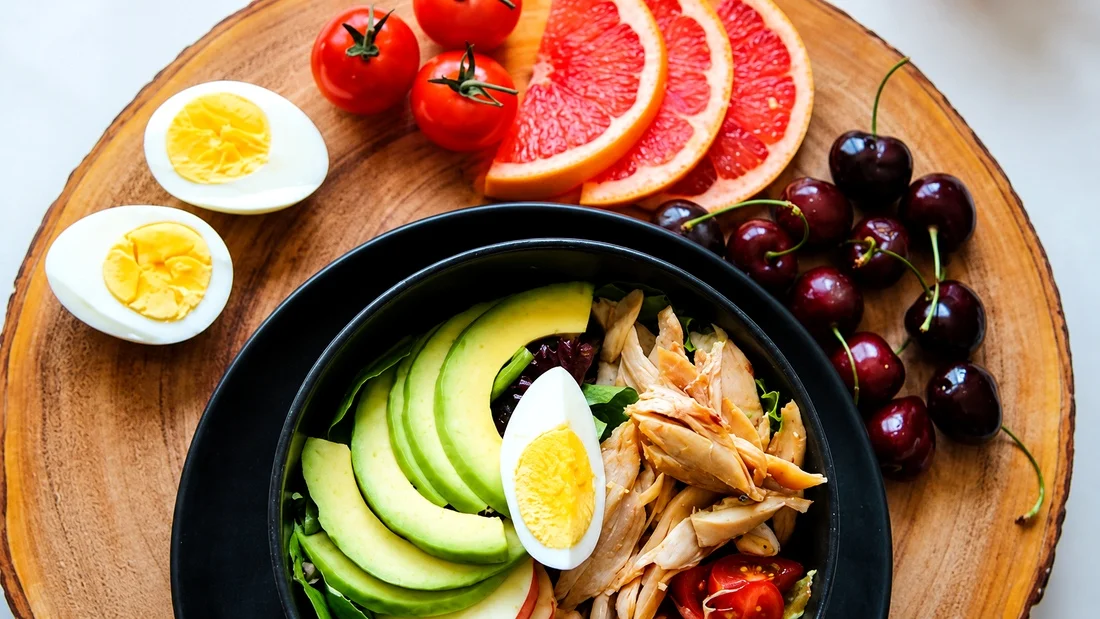
The best foods for dental health are foods that support strong enamel, help saliva production, provide important minerals, and reduce the risk of tooth decay. Tooth-friendly foods include dairy products, leafy greens, crunchy vegetables, apples, carrots, celery, nuts, seeds, lean proteins, and water.
Food alone cannot replace brushing, flossing, fluoride toothpaste, and regular preventive dental care in El Paso, TX. But the right diet can help protect tooth enamel, support gum health, and lower your risk of cavities.
If you are asking, “What food is good for my teeth?” start with foods rich in calcium, phosphorus, vitamin D, vitamin C, protein, and fiber.
Why Food Matters for Your Teeth
Your teeth and gums are affected by what you eat every day. Sugary and sticky foods can feed bacteria in the mouth. These bacteria produce acids that weaken enamel and increase the risk of cavities.
Tooth-friendly foods work differently. They may help:
- Support strong enamel
- Provide calcium and phosphorus
- Support saliva production
- Help rinse away food particles
- Support gum health
- Reduce frequent acid attacks
- Help with plaque control
- Support a healthy smile
A balanced diet is one part of cavity prevention and long-term oral health.
What Is the Best Thing to Eat for Your Teeth?
There is no single food that protects your teeth by itself. The best thing to eat for your teeth is a balanced mix of calcium-rich foods, protein, crunchy vegetables, leafy greens, low-sugar fruits, nuts, seeds, and water.
Good foods for teeth include:
- Cheese
- Plain yogurt
- Milk
- Leafy greens
- Carrots
- Celery
- Apples
- Nuts and seeds
- Eggs
- Fish
- Lean meat
- Beans
- Water
These foods can help support enamel, saliva flow, gum tissue, and overall dental health.
Best Foods for Dental Health
Below are some of the best foods for teeth and gums.
1. Cheese
Cheese is one of the best foods for dental health because it contains calcium and phosphorus, two minerals that help support strong teeth. Cheese may also help stimulate saliva, which helps rinse the mouth and reduce acid exposure.
Cheese is a good tooth-friendly snack because it is low in sugar and supports enamel health.
Good options include:
- Cheddar
- Mozzarella
- Swiss
- Cottage cheese
- Low-sugar cheese snacks
Choose plain cheese instead of sweetened or processed options when possible.
2. Plain Yogurt
Plain yogurt is good for teeth because it contains calcium and protein. It can support tooth enamel and provide nutrients for overall oral health.
Choose plain, unsweetened yogurt. Many flavored yogurts contain added sugar, which can increase cavity risk.
For a better dental health snack, try plain Greek yogurt with low-sugar fruit or nuts.
3. Milk
Milk is a calcium-rich food for teeth. It also contains phosphorus and protein, which help support strong teeth and bones.
Milk can be a better drink choice than soda, sweet tea, juice, or sports drinks because it is not highly acidic and provides minerals your teeth need.
If you cannot drink dairy milk, ask your dentist or healthcare provider about tooth-friendly alternatives that are low in sugar and fortified with calcium and vitamin D.
4. Leafy Greens
Leafy greens are good for teeth and gums because they provide vitamins and minerals while being low in sugar. They can support gum health and contribute to a balanced diet.
Good leafy greens for teeth include:
- Spinach
- Kale
- Romaine lettuce
- Collard greens
- Swiss chard
Leafy greens also add fiber, which supports chewing and saliva flow.
5. Crunchy Vegetables
Crunchy vegetables are helpful for oral health because they require chewing, which stimulates saliva. Saliva helps rinse away food particles and supports enamel protection.
Good crunchy foods for teeth include:
- Carrots
- Celery
- Cucumbers
- Bell peppers
- Broccoli
Crunchy vegetables do not replace brushing, but they can be a better snack choice than sticky candy, chips, or cookies.
6. Carrots
Carrots are good for teeth because they are crunchy, high in fiber, and low in added sugar. Eating raw carrots helps stimulate saliva production and can help clear loose food particles from the mouth.
Carrots are also easy to pack as a healthy snack for kids and adults.
7. Celery
Celery is another crunchy vegetable that supports saliva production. Its fibrous texture can help move food particles away from the teeth while chewing.
Celery is a good option for people who want a low-sugar snack that supports dental health.
8. Apples
Apples are often considered a tooth-friendly fruit because they are crunchy and high in water and fiber. They can help stimulate saliva and provide a better snack choice than sticky sweets.
Apples still contain natural sugar, so they should be eaten as part of a balanced diet. Rinse with water afterward if you are concerned about sugar or acidity.
9. Nuts and Seeds
Nuts and seeds are good for teeth because they provide minerals, protein, and healthy fats. They are also low in sugar when eaten plain.
Good options include:
- Almonds
- Walnuts
- Cashews
- Pumpkin seeds
- Sunflower seeds
- Sesame seeds
Avoid sugar-coated nuts or sticky nut bars because they can increase sugar exposure and stick to teeth.
10. Lean Protein
Protein-rich foods help support oral tissues and overall health. Many protein foods also provide phosphorus, which plays a role in strong teeth.
Good protein options include:
- Eggs
- Chicken
- Turkey
- Fish
- Beans
- Lentils
- Tofu
- Lean beef
Protein is especially important for tissue repair and a balanced diet.
11. Fatty Fish
Fatty fish can be a good food for dental health because it provides protein and vitamin D. Vitamin D helps the body use calcium, which is important for strong teeth and bones.
Examples include:
- Salmon
- Sardines
- Trout
- Tuna
If you do not eat fish, ask your healthcare provider about other vitamin D sources.
12. Water
Water is one of the best things for your teeth. It helps rinse away food particles, supports saliva, and helps reduce the amount of sugar and acid sitting on the teeth.
Water is especially helpful after:
- Coffee
- Tea
- Sugary snacks
- Acidic foods
- Sticky foods
- Meals
- Sports drinks
- Soda
If your local tap water contains fluoride, it may also support cavity prevention.

Foods That Help Prevent Cavities
Foods that help prevent cavities are usually low in added sugar, support saliva flow, and provide minerals that help protect enamel.
Good cavity prevention foods include:
- Cheese
- Plain yogurt
- Milk
- Leafy greens
- Nuts
- Seeds
- Crunchy vegetables
- Apples
- Lean proteins
- Water
The key is consistency. Eating tooth-friendly foods most days can help support better dental health over time.
Foods That Protect Tooth Enamel
Tooth enamel protection depends on minerals, saliva, fluoride, and limiting frequent acid attacks.
Foods that support enamel include:
- Dairy products
- Leafy greens
- Nuts and seeds
- Fish
- Eggs
- Lean protein
- Calcium-fortified low-sugar foods
- Water
Fluoride toothpaste and regular dental visits are still important because food alone cannot rebuild damaged enamel once a cavity has formed.
Foods for Gum Health
Gum health depends on good oral hygiene, regular cleanings, and a balanced diet. Foods that support gum health often contain vitamin C, protein, and other nutrients used by the body to maintain healthy tissues.
Foods for gum health include:
- Leafy greens
- Bell peppers
- Broccoli
- Strawberries
- Citrus fruits in moderation
- Eggs
- Fish
- Lean meats
- Beans
Acidic fruits can be part of a healthy diet, but frequent snacking on acidic foods may affect enamel. Drink water afterward and avoid brushing immediately after highly acidic foods.
Foods That Help Saliva Production
Saliva helps protect teeth by washing away food particles and reducing acid exposure. Foods that require chewing can support saliva production.
Helpful options include:
- Crunchy vegetables
- Apples
- Sugar-free gum
- Nuts
- Seeds
- High-fiber foods
- Water-rich foods
If you have chronic dry mouth, food choices may help, but you should also speak with a dentist. Dry mouth can increase cavity risk.
Foods That Clean Your Teeth Naturally
Some foods can help clear loose food particles and stimulate saliva, but no food truly replaces brushing and flossing.
Foods that may support a cleaner mouth include:
- Carrots
- Celery
- Apples
- Cucumbers
- Leafy greens
- Sugar-free gum
These can help between meals, but they should not replace your oral hygiene routine.
What Foods Should You Limit for Cavity Prevention?
To protect your teeth, limit foods and drinks that are high in added sugar, sticky, acidic, or consumed too often throughout the day.
Foods and drinks to limit include:
- Candy
- Sticky sweets
- Cookies
- Cakes
- Soda
- Sports drinks
- Sweet tea
- Fruit juice
- Energy drinks
- Sugary cereals
- Dried fruit
- Chips and crackers eaten frequently
You do not have to avoid every treat forever. The bigger problem is frequent sugar exposure. Sipping soda or snacking on sweets throughout the day gives bacteria more chances to produce acids.
Are Fruits Good for Teeth?
Many fruits are good for teeth because they provide water, fiber, and vitamins. Apples, pears, and berries can be better choices than candy or sweet desserts.
However, fruits still contain natural sugars, and some are acidic. Citrus fruits are healthy but can expose enamel to acid if eaten too often or sucked on for long periods.
Good habits include:
- Eat fruit with meals.
- Drink water afterward.
- Avoid sipping fruit juice throughout the day.
- Choose whole fruit instead of sticky dried fruit.
- Wait before brushing after acidic fruits.
Whole fruit is usually a better choice than fruit juice for dental health.
How to Make Teeth Stronger With Food
Food can help support stronger teeth by providing minerals and nutrients your body needs. To help make teeth stronger, focus on a balanced diet and good oral hygiene.
Helpful steps include:
- Eat calcium-rich foods.
- Get vitamin D from food, sunlight, or guidance from your healthcare provider.
- Include protein with meals.
- Choose crunchy vegetables as snacks.
- Drink water often.
- Limit added sugar.
- Brush twice daily with fluoride toothpaste.
- Floss every day.
- Keep regular dental checkups.
Strong teeth come from daily habits, not one food or one supplement.
Tooth-Friendly Snack Ideas
If you want healthier snacks for teeth, choose options that are low in added sugar and support saliva or minerals.
Good snack ideas include:
- Cheese cubes
- Plain Greek yogurt
- Apple slices
- Carrot sticks
- Celery sticks
- Cucumber slices
- Almonds
- Boiled eggs
- Hummus with vegetables
- Low-sugar smoothies
- Water
Try to avoid grazing all day. Frequent snacking can increase acid exposure, even with some healthy foods.
Best Drinks for Dental Health
Water is the best drink for dental health. Milk can also be a good choice because it contains calcium and protein.
Better drink choices include:
- Water
- Fluoridated water if available
- Milk
- Unsweetened herbal tea
- Plain sparkling water in moderation
Limit soda, energy drinks, sports drinks, sweet tea, and juice because they can be high in sugar, acidic, or both.
Foods for Kids’ Dental Health
Children benefit from tooth-friendly foods because their brushing habits are still developing and they may be more likely to snack often.
Good foods for kids’ teeth include:
- Cheese
- Plain yogurt
- Milk
- Apple slices
- Carrot sticks
- Celery with a safe spread
- Eggs
- Nuts or seeds if age-appropriate
- Leafy greens in meals
- Water
Parents should also help children brush, limit sugary drinks, and schedule regular dental checkups.
Do You Still Need Dental Care If You Eat Healthy?
Yes. Eating healthy supports oral health, but it does not replace dental care. Plaque can still build up, cavities can still form, and tartar still needs professional cleaning.
For good dental health, combine a tooth-friendly diet with:
- Brushing twice daily
- Fluoride toothpaste
- Daily flossing
- Regular dental exams
- Professional teeth cleaning
- Cavity risk checks
- Gum health monitoring
A balanced diet helps, but prevention works best when diet and dental care work together.
Final Thoughts
The best foods for dental health and cavity prevention include cheese, plain yogurt, milk, leafy greens, crunchy vegetables, apples, carrots, celery, nuts, seeds, lean proteins, fatty fish, and water. These foods support strong enamel, saliva production, gum health, and better oral health.
To protect your teeth, limit frequent sugary snacks, sticky sweets, soda, sports drinks, juice, and highly acidic drinks. Food choices matter, but they work best with brushing, flossing, fluoride toothpaste, and regular dental visits.
If you want to make your teeth stronger and reduce cavity risk, start with a tooth-friendly diet and schedule routine dental care.