Dental implants are long-term tooth replacement options used to replace missing teeth. A dental implant is a small post placed into the jawbone to act like an artificial tooth root. Once it heals, it can support a dental crown, bridge, denture, or full-mouth restoration.
Dental implants are often used for patients who have one missing tooth, several missing teeth, or a full arch of missing teeth. They are designed to restore chewing function, support the jawbone, improve smile appearance, and provide a stable replacement tooth that feels more secure than many removable options.
If you are looking for a permanent tooth replacement, dental implants may be one of the most reliable treatment options to discuss with your dentist.
Dental Implants Explained
A dental implant replaces the root structure of a missing tooth. Unlike a traditional denture that sits on top of the gums, a dental implant is placed into the jawbone. Over time, the bone heals around the implant post and helps hold it firmly in place.
This process creates strong support for the final dental restoration. Depending on your needs, the implant may support:
- A single dental crown
- An implant-supported bridge
- Implant-supported dentures
- All-on-4 dental implants
- Full mouth dental implants
The goal of dental implant treatment is to replace missing teeth with stable, natural-looking teeth that help you chew, speak, and smile with more confidence.
What Is a Dental Implant?
A dental implant is an artificial tooth root placed into the jawbone during dental implant surgery. It is commonly made from titanium, although zirconia implants are also available in some cases.
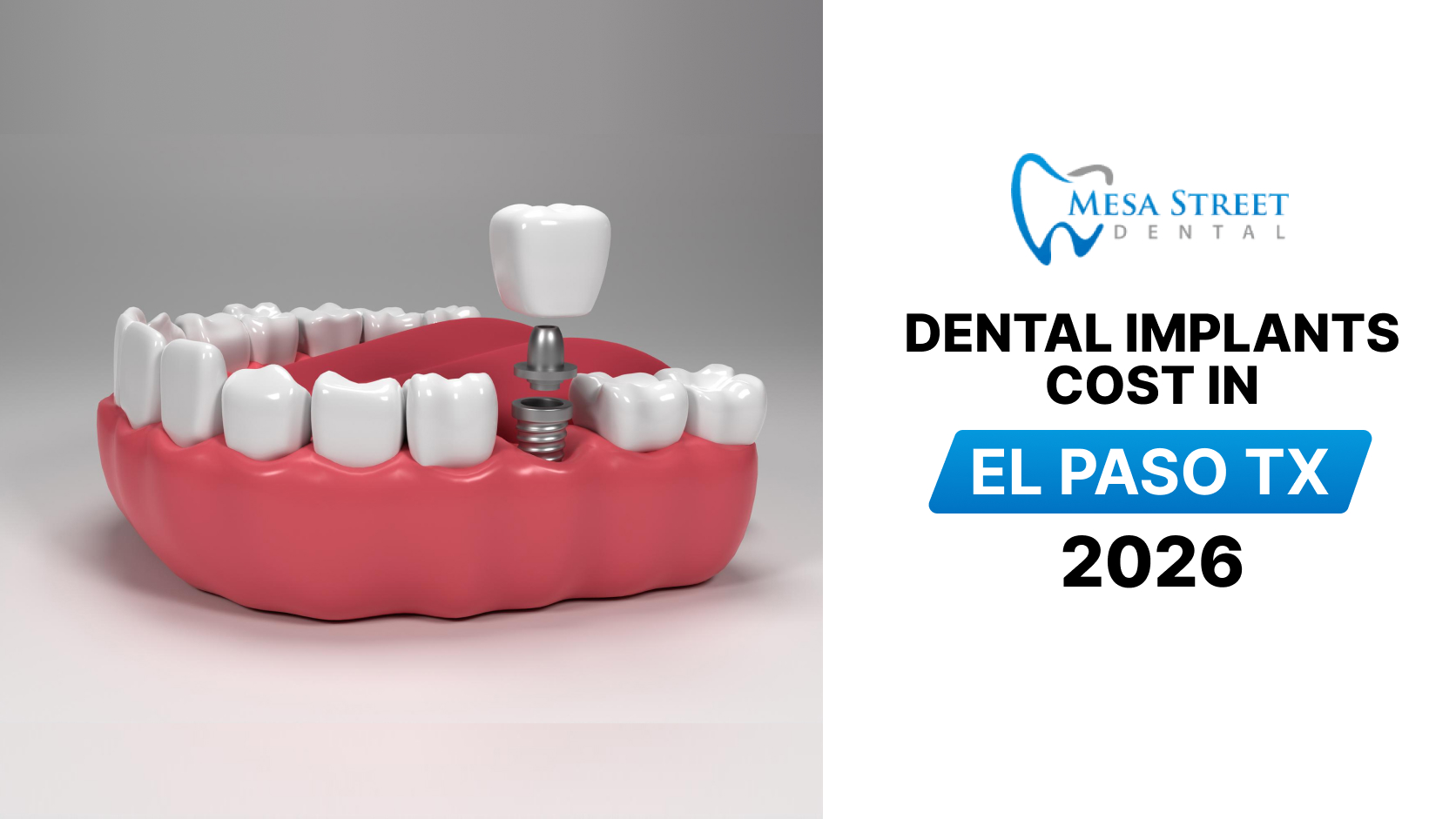
A dental implant does not work alone. It is part of a complete dental implant restoration that usually includes the implant post, abutment, and dental crown.
The implant post stays under the gumline and inside the jawbone. The crown is the visible replacement tooth that you see when you smile.
Dental Implant Parts
A complete dental implant has three main parts.
1. Dental Implant Post
The dental implant post is the part placed into the jawbone. It works like an artificial tooth root. Most implant posts are made from titanium because titanium can bond with bone during healing.
The implant post gives the replacement tooth stability and support.
2. Dental Implant Abutment
The dental implant abutment is the connector between the implant post and the final restoration. It sits above the gumline and helps hold the crown, bridge, or denture in place.
The abutment may be attached after the implant has healed, or in some cases, during the implant placement process.
3. Dental Implant Crown
The dental implant crown is the visible artificial tooth. It is custom-made to match the shape, size, and color of your natural teeth.
For a single tooth dental implant, the crown replaces one missing tooth. For multiple dental implants or full mouth dental implants, a bridge or full-arch restoration may be used instead of individual crowns for every tooth.
How Do Dental Implants Work?
Dental implants work by anchoring a replacement tooth to the jawbone. After the implant post is placed, the jawbone heals around it through a process called osseointegration.
Osseointegration helps the implant become stable. Once healing is complete, the dentist attaches the abutment and final restoration.
Here is the basic process:
- The dentist evaluates your teeth, gums, and jawbone.
- The implant post is placed into the jawbone.
- The bone heals around the implant.
- An abutment is attached.
- A crown, bridge, denture, or full-mouth restoration is placed.
This structure helps dental implants function more like natural teeth compared with removable tooth replacement options.
What Are the 3 Types of Dental Implants?
The three common types of dental implants are endosteal implants, subperiosteal implants, and zygomatic implants. Most patients receive endosteal implants because they are placed directly into the jawbone and are widely used in implant dentistry.
1. Endosteal Dental Implants
Endosteal implants are the most common type of dental implants. They are placed into the jawbone and can support a crown, bridge, or denture.
These implants are often used when the patient has a healthy jawbone and good gum support.
2. Subperiosteal Dental Implants
Subperiosteal implants sit on top of the jawbone but under the gum tissue. They are less common today but may be considered in select cases when a patient does not have enough bone for traditional implant placement.
3. Zygomatic Dental Implants
Zygomatic implants are longer implants anchored in the cheekbone instead of the jawbone. They are usually reserved for complex cases with severe upper jawbone loss.
Most patients do not need zygomatic implants. They are typically planned by specialists for advanced full-mouth dental implant cases.
What Are the Best Dental Implants?
The best dental implants depend on your oral health, jawbone density, missing teeth, gum condition, bite, budget, and treatment goals. There is no single implant type that is best for every patient.
For many people, titanium dental implants are a trusted option because they have a long history of use and strong bone integration. Zirconia implants may be considered for certain patients who prefer a metal-free option or have specific cosmetic concerns.
The best dental implant for you is the one that fits your jawbone, supports your bite, matches your restoration plan, and is placed with proper treatment planning.
A dental implant consultation is the best way to find out which option is right for your case.
Types of Dental Implant Treatment
Dental implants can replace one tooth, multiple teeth, or a full mouth of teeth. Your dentist will recommend a treatment plan based on how many teeth are missing and how much support your jawbone can provide.
Single Tooth Dental Implant
A single tooth dental implant replaces one missing tooth. The implant post is placed in the jawbone, and a custom dental crown is attached after healing.
This option does not require reshaping nearby healthy teeth, which may be needed for a traditional dental bridge.
Multiple Dental Implants
Multiple dental implants can replace several missing teeth. Depending on the case, implants may support individual crowns or an implant-supported bridge.
This can be a stable solution when several teeth are missing in the same area.
All-on-4 Dental Implants
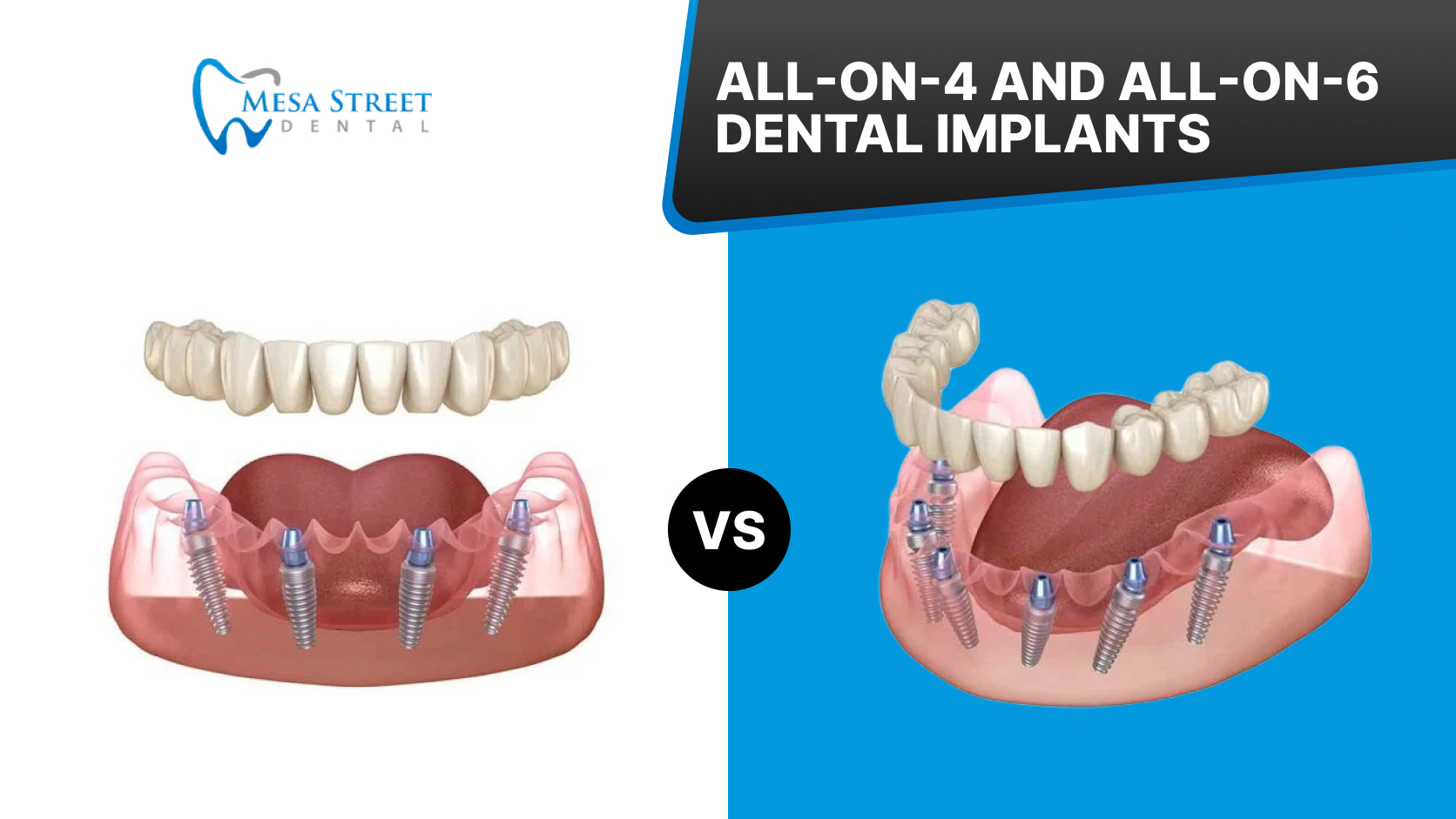
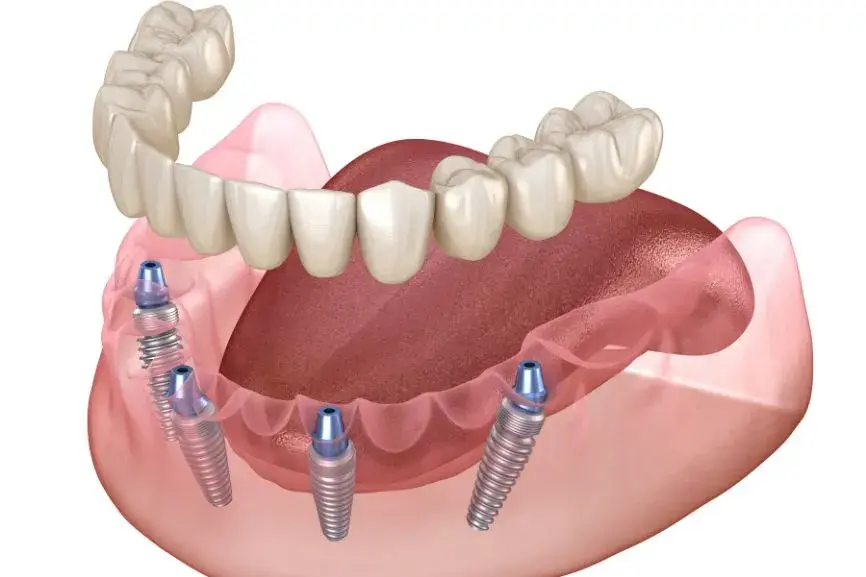
All-on-4 dental implants use four implants to support a full arch of replacement teeth. This treatment is often used for patients missing most or all teeth in the upper jaw, lower jaw, or both.
All-on-4 can provide a fixed full-arch restoration that feels more stable than traditional removable dentures.
Full Mouth Dental Implants
Full mouth dental implants are used when a patient needs to replace most or all teeth. This treatment may involve several implants and a full-arch restoration.
Full mouth dental implants can help restore chewing function, bite support, smile appearance, and facial structure.
Implant-Supported Dentures
Implant-supported dentures attach to dental implants for better stability than traditional dentures. They may be removable or fixed, depending on the treatment plan.
This option can help reduce denture movement while chewing or speaking.

Benefits of Dental Implants
Dental implants offer several benefits for patients with missing teeth.
Stable Tooth Replacement
Because implants are anchored in the jawbone, they can provide strong support for replacement teeth. This helps improve chewing function and bite stability.
Natural-Looking Smile
A dental implant crown is designed to match surrounding teeth. The goal is to create a natural-looking smile that blends with your facial features and existing teeth.
Jawbone Support
When a tooth is missing, the jawbone in that area may shrink over time. Dental implants help stimulate the jawbone through chewing forces, which may help reduce bone loss in the area.
Improved Chewing Function
Missing teeth can make it harder to chew certain foods. Dental implants can help restore bite strength and chewing comfort.
Long-Term Tooth Replacement
Dental implants are designed as a long-term tooth replacement option. With good care, regular dental visits, and healthy gums, they can provide lasting support.
No Need to Rely on Nearby Teeth
A single tooth dental implant does not need support from neighboring teeth. This can help preserve healthy tooth structure.
Better Denture Stability
For patients with loose dentures, implant-supported dentures can provide better support and reduce movement.
Who Can Get Dental Implants?
A good candidate for dental implants usually has healthy gums, enough jawbone support, and good overall health for oral surgery and healing.
You may be a candidate for dental implants if you have:
- One or more missing teeth
- A tooth that cannot be saved
- Loose or uncomfortable dentures
- Healthy gums
- Enough jawbone for implant placement
- Good oral hygiene habits
- A stable bite
- No uncontrolled medical conditions that affect healing
If you have bone loss, gum disease, or a medical condition, you may still qualify for dental implants after additional treatment or planning.
When Are Dental Implants Not Recommended Right Away?
Dental implants may need to be delayed if there are oral health problems that must be treated first.
Your dentist may recommend treating these issues before implant surgery:
- Active gum disease
- Tooth infection
- Severe bone loss
- Poor oral hygiene
- Uncontrolled diabetes
- Heavy smoking
- Jawbone infection
- Bite problems
- Not enough bone density
The goal is to create a healthy foundation before implant placement.
What Happens During a Dental Implant Consultation?
A dental implant consultation helps your dentist decide if implants are right for you.
The consultation may include:
- Oral exam
- Review of missing teeth
- Gum health check
- Bite evaluation
- Dental X-rays
- 3D imaging
- Jawbone density review
- Medical history review
- Discussion of tooth replacement options
- Personalized dental implant treatment plan
This visit is important because dental implants must be planned carefully for proper placement, stability, and long-term function.
What Happens During the Dental Implant Procedure?
The dental implant procedure usually happens in stages. The timeline depends on your treatment plan, bone health, and whether tooth extraction or bone grafting is needed.
A typical dental implant process includes:
- Consultation and imaging
- Tooth extraction if needed
- Bone grafting if needed
- Dental implant surgery
- Healing and bone integration
- Abutment placement
- Dental crown or final restoration placement
Some patients may receive temporary teeth during healing. The final restoration is usually placed after the implant has fully healed and become stable.
Dental Implants vs Other Tooth Replacement Options
Dental implants are one of several tooth replacement options. The right choice depends on your oral health, budget, comfort, and long-term goals.
Dental Implants
Dental implants are anchored in the jawbone and can support crowns, bridges, or dentures. They provide strong support and may help preserve jawbone structure.
Dental Bridges
A dental bridge replaces a missing tooth by using nearby teeth for support. It can be a good option for some patients, but it may require reshaping healthy teeth.
Dentures
Dentures are removable tooth replacement options. They can replace several teeth or a full arch. Traditional dentures rest on the gums, while implant-supported dentures attach to implants for better stability.
A dentist can explain which option is best based on your tooth loss, gum health, jawbone support, and treatment goals.
Final Thoughts
Dental implants are long-term tooth replacement options designed to replace missing teeth with stable, natural-looking restorations. A dental implant includes an implant post, abutment, and crown or other restoration. Together, these parts replace the missing tooth root and visible tooth.
Dental implants can be used for one missing tooth, several missing teeth, or a full mouth of missing teeth. They can support crowns, bridges, dentures, All-on-4 restorations, and full-mouth dental implant treatment.
The best way to find out if dental implants are right for you is to schedule a dental implant consultation. Your dentist can check your jawbone, gums, bite, and oral health, then create a tooth replacement plan that matches your needs.