Dental implants can last for many years, and with proper care, the implant post may last for decades. Some patients keep their implants for life. However, the dental implant crown, bridge, denture, or full restoration attached to the implant may need repair or replacement over time.
The lifespan of dental implants depends on oral hygiene, gum health, jawbone support, bite pressure, smoking, teeth grinding, medical conditions, implant placement, and regular dental visits. Dental implants are designed as a long-term tooth replacement, but they are not maintenance-free.
If you are asking, “How long do dental implants last?” the honest answer is this: the implant post can last a very long time when the bone and gums stay healthy, but the visible restoration may need replacement due to normal wear.
Are Dental Implants Permanent?
Dental implants are often called a permanent tooth replacement because the implant post is placed into the jawbone and is designed to stay there long term. The implant post acts like an artificial tooth root and supports a dental crown, bridge, denture, or full-mouth restoration.
However, “permanent” does not mean nothing can ever go wrong. Dental implants need daily brushing and flossing, professional dental cleanings, and routine dental visits. Gum disease, bone loss, infection, poor oral hygiene, or heavy bite pressure can affect implant stability.
A dental implant can be long-lasting, but it still needs care.
How Long Does a Tooth Implant Last?
A tooth implant includes more than one part. Each part may have a different lifespan.
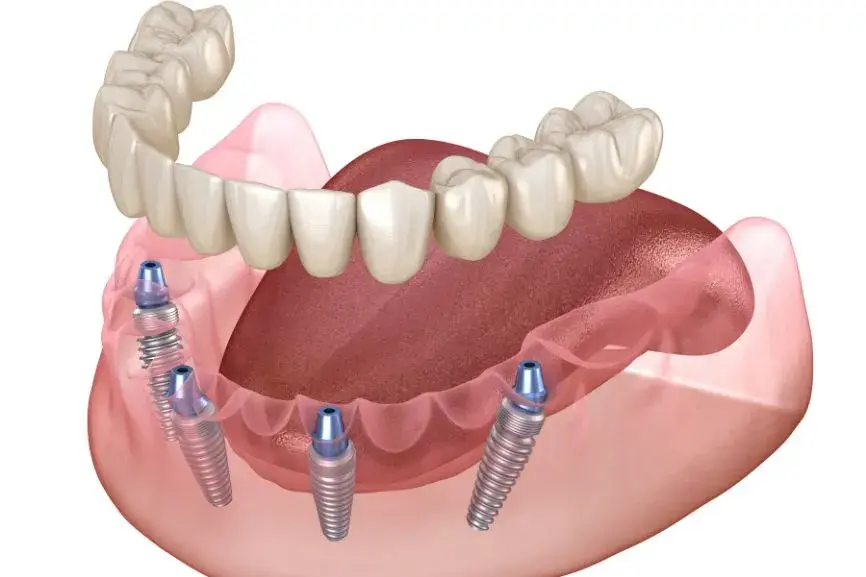
A dental implant usually includes:
- Implant post: The titanium implant placed in the jawbone
- Abutment: The connector between the implant and restoration
- Dental crown: The visible replacement tooth
- Restoration: Crown, bridge, denture, or full-arch replacement teeth
The implant post may last decades with good care. The implant crown may need replacement sooner because it handles chewing pressure every day.
Dental Implant Post vs Implant Crown Lifespan
The implant post and the implant crown are not the same. This is important when discussing dental implant longevity.
Dental Implant Post Lifespan
The dental implant post is the part placed into the jawbone. It is commonly made from titanium and works like an artificial tooth root. After placement, the bone heals around the implant through osseointegration.
If the implant remains stable and the gums and bone stay healthy, the implant post can last many years or even decades.
Implant Crown Lifespan
The implant crown is the visible tooth attached to the implant. It may wear down, chip, crack, loosen, or need replacement over time. This is normal because the crown handles daily chewing forces.
The implant itself may still be healthy even if the crown needs repair or replacement.
Can Dental Implants Last Forever?
Dental implants can last a very long time, but no dentist can guarantee that they will last forever. Some implants remain healthy for life, while others may fail due to infection, bone loss, smoking, poor oral hygiene, uncontrolled health conditions, or excessive bite pressure.
The best way to help dental implants last longer is to keep the gums and bone around the implant healthy.
What Affects Dental Implant Lifespan?
Several factors can affect the lifespan of dental implants.
1. Oral Hygiene
Oral hygiene for dental implants is one of the biggest factors in long-term success. Even though implant crowns cannot get cavities, the gum tissue and bone around the implant can still become infected.
Good implant care includes:
- Brushing twice daily
- Cleaning around the implant every day
- Flossing or using implant-safe cleaning tools
- Removing plaque around the gumline
- Keeping routine dental visits
- Scheduling professional dental cleanings
Poor oral hygiene can lead to inflammation around the implant and increase the risk of dental implant failure.
2. Gum Health
Healthy gums are essential for dental implant durability. The gums seal and protect the area around the implant. If the gums become inflamed or infected, bacteria can affect the tissue and bone that support the implant.
Signs of poor gum health around an implant may include:
- Bleeding gums
- Swelling
- Redness
- Tenderness
- Bad breath
- Gum recession
- Pus near the implant
- Pain when chewing
If you notice these signs, schedule a dental visit quickly.
3. Jawbone Support
Dental implants need strong jawbone support. The implant post depends on bone integration, also called osseointegration, to stay stable.
Bone loss around an implant can weaken its support. Bone loss may happen because of gum disease, infection, poor oral hygiene, smoking, trauma, or excessive bite force.
Routine dental X-rays help your dentist monitor bone levels around the implant.
4. Teeth Grinding or Clenching
Teeth grinding, also called bruxism, can place heavy pressure on dental implants and implant crowns. This can increase the risk of crown damage, screw loosening, bite problems, or implant stress.
If you grind your teeth, your dentist may recommend a nightguard to help protect the implant and surrounding teeth.
5. Smoking or Tobacco Use
Smoking can affect gum health, slow healing, and increase the risk of implant problems. Tobacco use can also make it harder to control plaque and inflammation around the implant.
If you are considering dental implants, quitting smoking can improve your chance of long-term implant success.
6. Medical Conditions
Certain medical conditions can affect healing and long-term implant health. Uncontrolled diabetes, immune system problems, osteoporosis treatment history, and other health concerns may influence dental implant treatment planning.
This does not always mean you cannot get implants. It means your dentist needs to review your medical history carefully before treatment.
7. Implant Placement and Treatment Planning
Proper planning is important for dental implant longevity. The implant must be placed in the right position and angle to support chewing function and the final restoration.
Good planning may include:
- Dental exam
- Dental X-rays
- 3D imaging
- Bite evaluation
- Gum health check
- Bone density review
- Treatment planning
- Restoration design
A well-planned implant is easier to clean, easier to restore, and more likely to support long-term oral health.
8. Type of Restoration
Different restorations may have different lifespans. A single implant-supported crown may last differently than a full-arch restoration, implant-supported bridge, or implant denture.
Restoration lifespan depends on:
- Crown material
- Bite pressure
- Chewing habits
- Number of implants
- Fit of the restoration
- Oral hygiene
- Professional maintenance
- Grinding or clenching
- Daily wear
Your dentist can explain how long your specific dental implant restoration may last.
Dental Implant Success Rate
Dental implant success rates are generally high when implants are properly planned, placed, and maintained. Long-term success depends on both the implant and the health of the tissues around it.
Even successful implants need follow-up care. The implant may be stable, but the crown, abutment, or surrounding gum tissue may still need attention over time.
Dental Implant Failure
Dental implant failure happens when the implant is no longer stable or healthy enough to support the restoration. Failure may happen early, before the implant fully bonds with the bone, or later, after years of use.
Possible causes of dental implant failure include:
- Poor osseointegration
- Infection around the implant
- Gum disease
- Bone loss
- Smoking
- Poor oral hygiene
- Excessive bite pressure
- Teeth grinding
- Medical conditions that affect healing
- Implant overload
- Trauma
- Poor restoration fit
Early diagnosis can sometimes help save the implant or prevent the problem from getting worse.
Signs of Dental Implant Problems
Do not ignore changes around a dental implant. Early treatment can help protect the implant and surrounding tissue.
Signs of dental implant problems include:
- Pain around the implant
- Swollen gums
- Bleeding when brushing
- Gum recession near the implant
- Pus or bad taste
- Loose implant crown
- Implant feels loose
- Trouble chewing
- Bite feels different
- Persistent bad breath
- Sensitivity or pressure near the implant
- Cracked or chipped implant crown
If the implant post feels loose, schedule a dental visit as soon as possible. A loose implant is not normal.
How to Make Dental Implants Last Longer
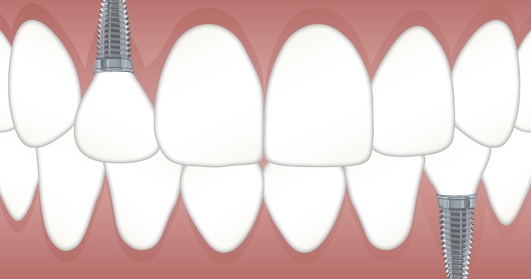
Good dental implant maintenance can help protect your implant investment and support long-term oral health.
To help dental implants last longer:
- Brush twice a day.
- Clean around implants every day.
- Floss or use tools recommended by your dentist.
- Visit your dentist for routine exams.
- Schedule professional dental cleanings.
- Wear a nightguard if you grind your teeth.
- Avoid chewing ice or hard objects.
- Avoid smoking or tobacco use.
- Treat gum inflammation early.
- Keep medical conditions well managed.
- Report pain, swelling, bleeding, or looseness quickly.
Dental implants last longer when the gums, bone, and bite stay healthy.
Dental Implant Maintenance
Dental implant maintenance is different from simply brushing a natural tooth. Implants need careful cleaning around the gumline and under the restoration where plaque can collect.
Your dentist or hygienist may recommend:
- Implant-safe floss
- Interdental brushes
- Water flosser
- Soft-bristled toothbrush
- Special cleaning aids for bridges or dentures
- More frequent cleanings if you have gum disease history
- Routine X-rays to monitor bone support
A professional cleaning helps remove plaque and buildup that may be difficult to clean at home.
Dental Implant Aftercare
Dental implant aftercare starts right after surgery and continues long term.
Early aftercare may include:
- Following surgical instructions
- Eating soft foods as recommended
- Avoiding smoking
- Keeping the area clean
- Taking medications as directed
- Attending follow-up visits
- Avoiding pressure on the implant site during healing
Long-term aftercare includes brushing, flossing, regular checkups, professional cleaning, and protecting the implant from heavy bite forces.
How Long Does an Implant Crown Last?
An implant crown may last many years, but it can wear down or need replacement over time. The crown is exposed to daily chewing, grinding, temperature changes, and normal wear.
You may need dental implant crown replacement if the crown becomes:
- Cracked
- Chipped
- Worn down
- Loose
- Poorly fitting
- Uncomfortable
- Mismatched in color over time
- Damaged by grinding or bite pressure
Replacing the crown does not always mean the implant post has failed. In many cases, the implant remains healthy and only the visible restoration needs repair.
If a dental crown becomes worn, chipped, or damaged, your dentist can evaluate whether a new same-day dental crown or another restoration is appropriate.
Dental Implants vs Dentures Lifespan
Dental implants usually offer a longer-term tooth replacement option than traditional dentures. Dentures may need adjustments, relines, or replacement as the gums and jawbone change over time.
Traditional dentures rest on the gums. Dental implants are anchored in the jawbone, which can provide better stability and chewing support.
However, implant-supported restorations still need maintenance, and the denture or full-arch restoration attached to implants may need repair or replacement over time.
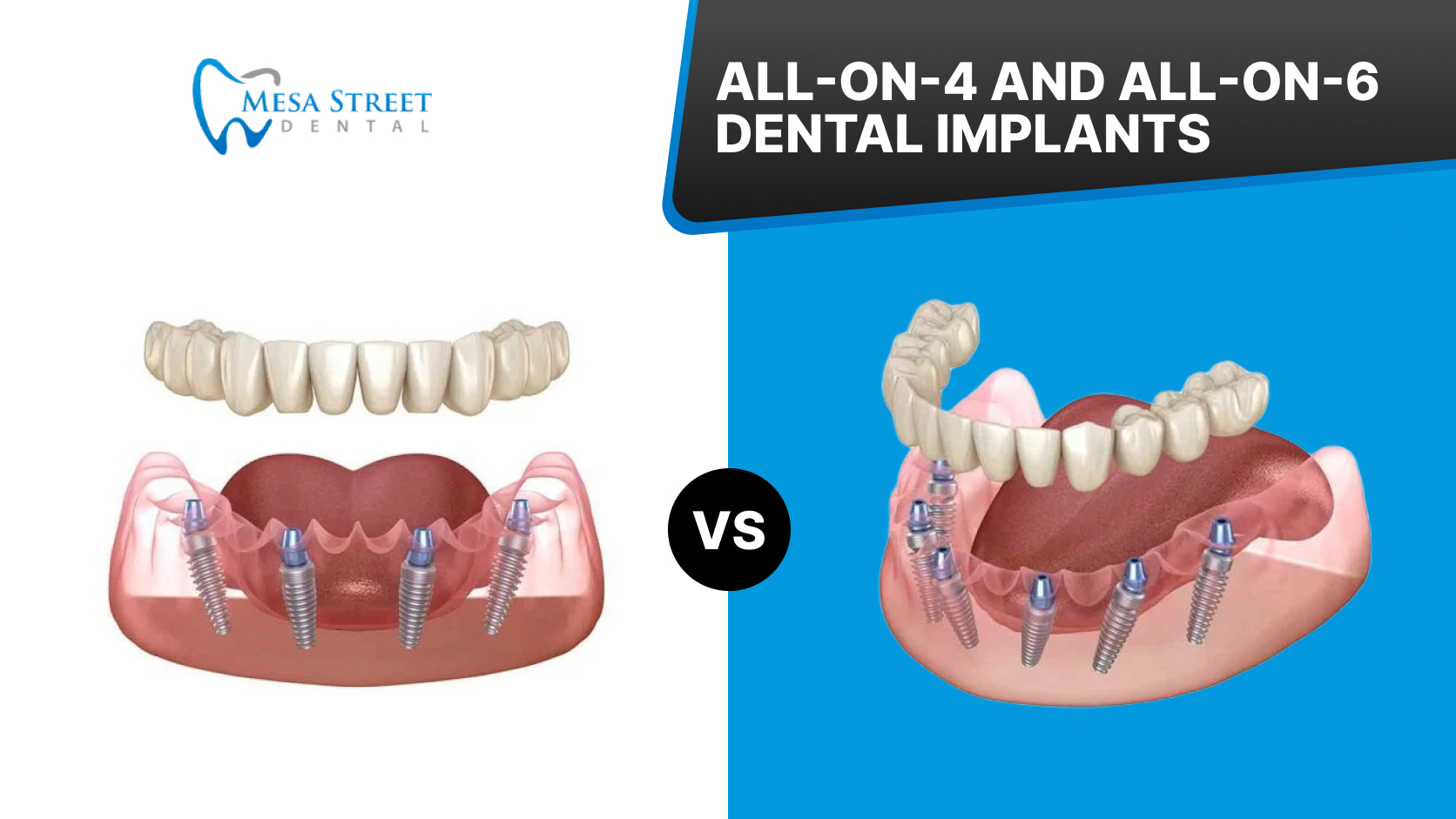
Patients replacing most or all teeth in an arch may also consider All-on-4 dental implants in El Paso as a full-arch tooth-replacement option.
Dental Implants vs Bridges Lifespan
Dental bridges can replace missing teeth, but they rely on nearby teeth for support. Over time, bridges may need replacement due to wear, decay under supporting teeth, gum changes, or bite issues.
Dental implants do not require reshaping neighboring healthy teeth for support. They are supported by the jawbone instead.
Both options can work well, but dental implants are often chosen for long-term tooth replacement when the patient has enough bone support and healthy gums.
Dental Implant Longevity in El Paso, TX
If you are considering dental implants in El Paso, TX, a consultation can help you understand your expected dental implant lifespan and maintenance needs. Your dentist can evaluate your jawbone, gum health, bite, missing tooth area, and oral hygiene habits before creating a treatment plan.
If you already have dental implants, routine dental visits and professional cleanings can help keep them healthy for the long term.
Schedule a dental implant consultation or implant maintenance visit to protect your smile and support long-term oral health.
Final Thoughts
Dental implants can last many years, and the implant post may last for decades with proper care. The dental implant crown or restoration may need replacement sooner because it handles daily chewing and normal wear.
Dental implant longevity depends on oral hygiene, gum health, jawbone support, professional maintenance, bite pressure, smoking, medical health, and routine dental visits. While implants are often considered a permanent tooth replacement, they still require care and monitoring.
The best way to make dental implants last longer is to brush and clean around them daily, keep professional dental appointments, avoid smoking, protect against grinding, and contact your dentist early if anything feels painful, swollen, loose, or unusual.