Dental implants usually take several months from consultation to final crown placement. A simple single tooth implant may take about 3 to 6 months, while cases involving tooth extraction, bone grafting, sinus lift, or full mouth dental implants may take longer.
The dental implant timeline depends on your oral health, jawbone density, gum health, number of missing teeth, healing ability, and whether extra procedures are needed before implant placement. Some patients may qualify for same-day dental implants or temporary teeth, but the implant still needs time to heal and bond with the jawbone before the permanent restoration is completed.
If you are missing one tooth, several teeth, or a full arch of teeth, dental implants in El Paso, TX may help restore your smile, chewing ability, and long-term oral function.
Quick Answer: Dental Implant Timeline
Here is a general dental implant process timeline:
- Dental implant consultation: 1 visit
- Dental X-rays or 3D imaging: usually done during planning
- Tooth extraction if needed: same day or separate visit
- Bone graft before dental implant if needed: may add several months of healing
- Dental implant surgery: usually completed in one appointment
- Implant healing period: often 3 to 6 months
- Abutment placement: after the implant has healed
- Implant crown placement: usually after gum healing and final impressions
- Full treatment time: commonly several months, longer for complex cases
Every patient’s timeline is different. A dentist can give you a more accurate estimate after a dental implant consultation and imaging.
Why Do Dental Implants Take Time?
Dental implants take time because the implant post must heal inside the jawbone. The implant post acts like an artificial tooth root. After placement, the jawbone needs time to grow around the implant and hold it securely.
This healing process is called dental implant osseointegration. Osseointegration is one of the most important stages of the dental implant process because it helps create a strong foundation for the final dental crown, bridge, denture, or full-mouth restoration.
If the implant is restored too early or too much pressure is placed on it before healing, it may affect implant stability. That is why dentists carefully plan the timing for each step.
The Dental Implant Stages
The dental implant treatment time depends on how many stages are needed. Some patients only need implant placement and crown restoration. Others need tooth extraction, bone grafting, gum healing, or a sinus lift before the implant can be restored.
Stage 1: Dental Implant Consultation
The first step is a dental implant consultation. During this visit, the dentist checks your teeth, gums, jawbone, bite, and overall oral health.
This appointment may include:
- Oral exam
- Dental X-rays
- 3D imaging
- Medical history review
- Gum health evaluation
- Bite evaluation
- Bone density check
- Discussion of treatment options
- Dental implant treatment plan
The consultation helps determine whether you are a good candidate for dental implants and how long your dental implant process may take.
If you are not sure whether your gums, teeth, or jawbone are healthy enough for implant treatment, a visit for family dentistry in El Paso, TX can help evaluate your oral health before starting a tooth replacement plan.
Stage 2: Treatment Planning
Treatment planning is an important part of the dental implant timeline. The dentist uses imaging and exam findings to decide where the implant should be placed and what type of restoration is needed.
Your treatment plan may include:
- Single tooth implant
- Multiple dental implants
- Implant-supported bridge
- Full mouth dental implants
- Same-day dental implants
- Bone grafting
- Sinus lift
- Tooth extraction before implant placement
- Temporary restoration
- Final dental crown placement
A clear treatment plan helps reduce complications and improves the chance of long-term implant success.
Stage 3: Tooth Extraction Before Implant
If the damaged or infected tooth is still in place, it may need to be removed before the implant can be placed. Tooth extraction before implant treatment may happen during the same appointment as implant placement, or the dentist may recommend healing time first.
The timing depends on:
- Infection around the tooth
- Bone condition
- Gum tissue health
- Location of the missing tooth
- Whether bone grafting is needed
- Whether immediate implant placement is safe
In some cases, the implant can be placed right after extraction. In other cases, the extraction site needs to heal before implant surgery.
If the tooth is infected but can still be saved, root canal therapy in El Paso, TX may be discussed before extraction. If the tooth is too damaged to save, extraction and implant replacement may be the better option.
Stage 4: Bone Graft Before Dental Implant
A bone graft before dental implant treatment may be needed if the jawbone is too thin, soft, or weak to support an implant. Bone grafting helps rebuild bone volume in the area where the tooth is missing.
Bone grafting may be needed if:
- The tooth has been missing for a long time
- Bone loss has occurred after extraction
- Gum disease damaged the bone
- The jawbone is not thick enough
- The implant site needs more support
- A sinus lift is needed in the upper jaw
A bone graft can add several months to the dental implant process because the grafted area needs time to heal and become strong enough for implant placement.
Not every patient needs a bone graft. Patients with healthy jawbone density may move to implant placement sooner.
Stage 5: Dental Implant Surgery
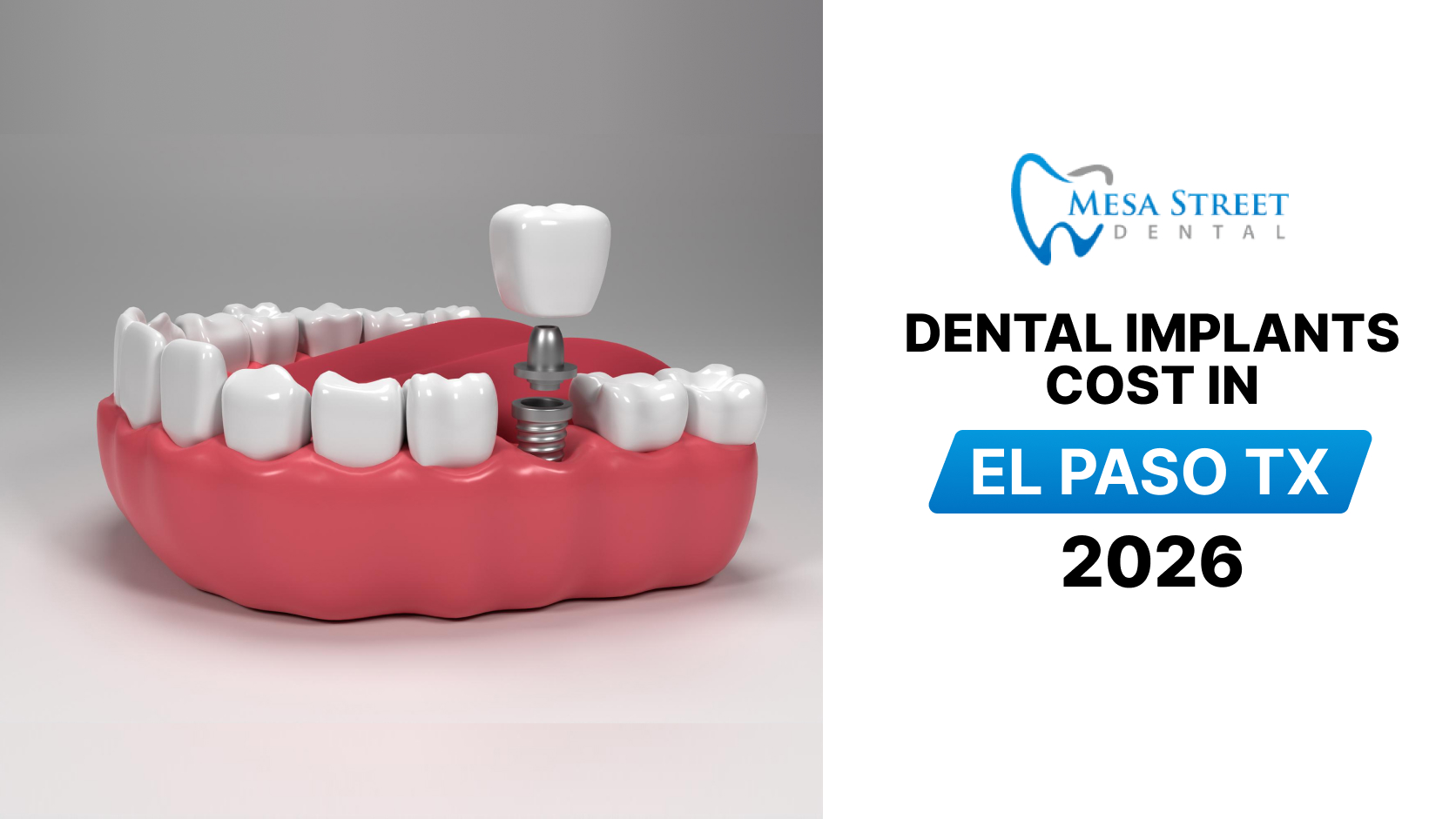
Dental implant surgery is the appointment where the implant post is placed into the jawbone. The implant post is usually made of titanium or another biocompatible material and works like an artificial tooth root.
During dental implant surgery, the dentist or oral surgeon places the implant in the planned position. The area is numbed, and sedation may be available depending on the case and patient comfort.
Dental implant procedure time varies, but placing a single implant is often completed in one visit. More complex cases, such as full mouth dental implants, may take longer.
After surgery, the implant begins the healing process.
Stage 6: Dental Implant Healing Process
The dental implant healing process is the longest part of treatment. After the implant post is placed, the jawbone needs time to heal around it.
This is called osseointegration, or bone integration. During this stage, the bone attaches to the implant surface and helps secure it in place.
The implant healing period often takes several months. Healing time can depend on:
- Bone density
- Gum healing
- Implant location
- Number of implants
- Overall health
- Smoking status
- Oral hygiene
- Bone grafting
- Bite pressure
- Infection risk
This stage should not be rushed. Strong jawbone healing helps the implant support the final dental crown or restoration.
Stage 7: Abutment Placement
After the implant has healed, the dentist places the abutment. The abutment is the connector between the implant post and the final dental crown.
In some cases, the abutment is placed during the original implant surgery. In other cases, it is placed after osseointegration is complete.
After abutment placement, the gums may need time to heal before the final crown is made.
Stage 8: Implant Crown Placement
Implant crown placement is one of the final steps. The dentist takes impressions or digital scans to design the crown so it fits your bite and matches your surrounding teeth.
The dental crown is attached to the abutment. Once placed, it works as the visible replacement tooth.
The implant crown timeline depends on gum healing, lab work, bite adjustments, and whether the restoration is a single crown, bridge, denture, or full-arch restoration.
How Long Does a Single Tooth Implant Take?
A single tooth implant timeline is often shorter than full mouth treatment. If no extraction or bone graft is needed, the process may take about 3 to 6 months from implant placement to final crown.
A single tooth implant timeline may look like this:
- Consultation and imaging
- Implant placement
- Healing and osseointegration
- Abutment placement
- Final dental crown placement
If tooth extraction or bone grafting is needed, the timeline may be longer.
How Long Do Full Mouth Dental Implants Take?
A full mouth dental implant timeline can take longer than a single implant because more planning, surgery, healing, and restoration work is involved.
Full mouth dental implants may include:
- Removing damaged teeth
- Placing several implants
- Temporary teeth
- Healing period
- Bite adjustments
- Final full-arch restoration
Some patients may receive temporary teeth the same day as implant placement. However, the implants still need months to fully heal in the jawbone before the final restoration is completed.
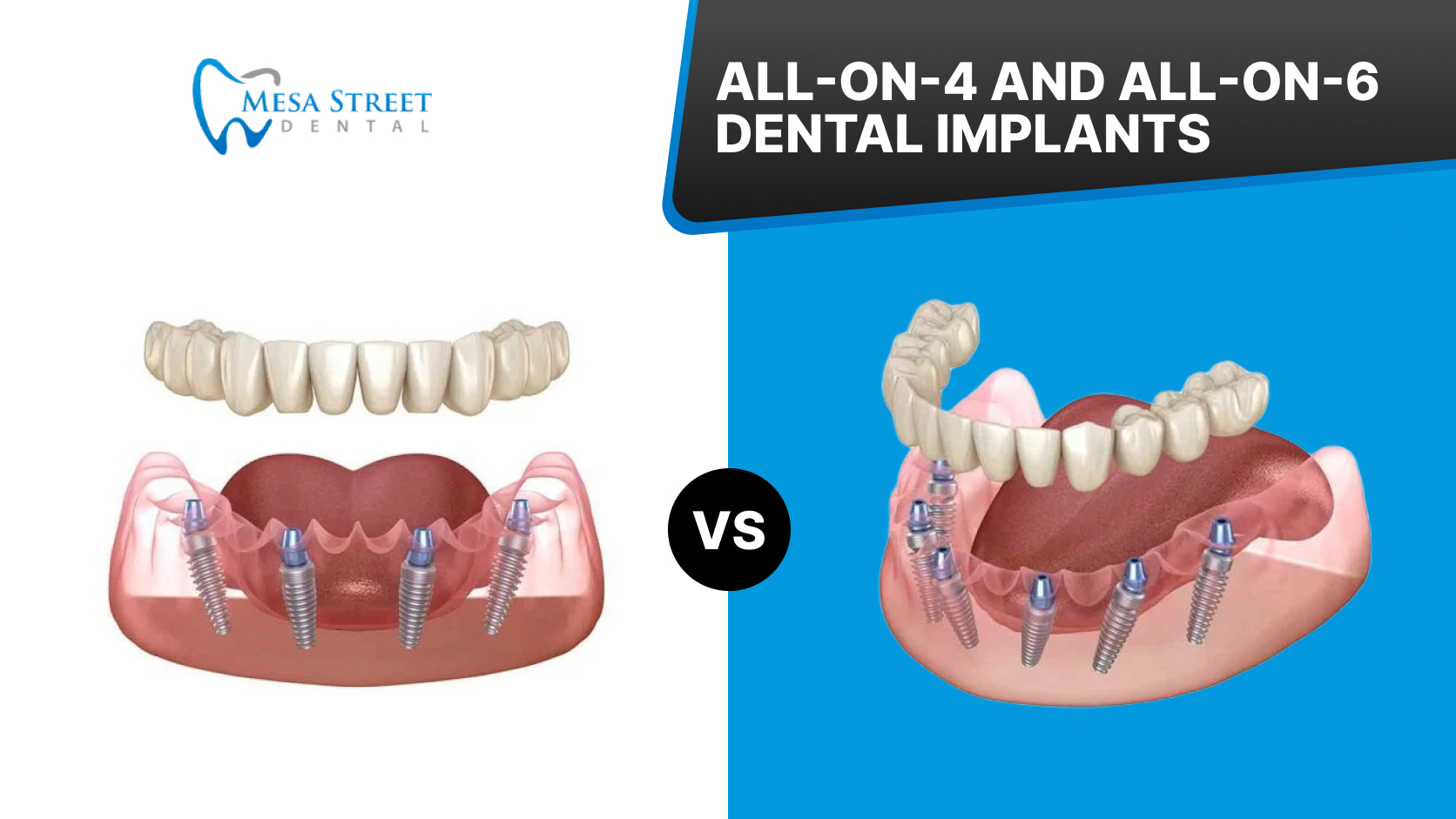
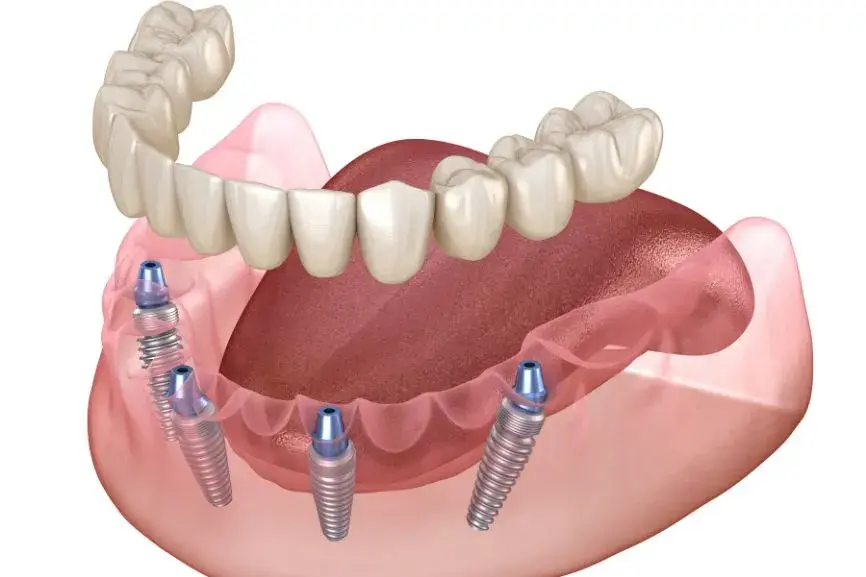
For patients missing most or all teeth, All-On-4 dental implants in El Paso, TX may be discussed as a full-arch replacement option. The timeline depends on bone support, extractions, healing, and the final restoration plan.
How Long Does Dental Implant Surgery Take?
Dental implant surgery timeline depends on the number of implants and the complexity of the case. A single implant placement may take less time than multiple implants or full-mouth treatment.
Surgery may take longer if the dentist is also performing:
- Tooth extraction
- Bone grafting
- Sinus lift
- Multiple implant placement
- Full-arch implant surgery
- Temporary restoration placement
Your dentist can give a more accurate surgery time after reviewing your treatment plan.
How Long Is Dental Implant Healing Time?
Dental implant healing time often takes several months. This is because the jawbone needs time to bond with the implant post.
The first few days after surgery are focused on soft tissue healing and comfort. Swelling, soreness, and tenderness may improve gradually. The deeper bone healing takes longer and continues over several months.
The implant should not receive full chewing pressure until the dentist confirms that it is stable enough for the final restoration.
Can Dental Implants Be Done in One Day?
Same-day dental implants may be possible for some patients, but it depends on the case. Same-day dental implants usually mean the implant is placed and a temporary tooth or temporary full-arch restoration is attached on the same day.
This does not mean the implant is fully healed in one day. The jawbone still needs time for osseointegration before the permanent tooth or final restoration is placed.
Same-day implants may be an option when the patient has:
- Healthy jawbone
- Good gum health
- No active infection
- Strong implant stability at placement
- A favorable bite
- Good overall health
Patients still need follow-up visits and final restoration after healing.
What Can Make the Dental Implant Process Take Longer?
Several factors can extend dental implant treatment time.
Tooth Extraction
If a tooth needs to be removed before implant placement, the dentist may recommend healing time before placing the implant.
Bone Grafting
Bone grafting can add months to the timeline because the graft needs to heal and strengthen the jawbone.
Sinus Lift
A sinus lift may be needed for upper back teeth if there is not enough bone between the jaw and sinus. This can add healing time before implant placement.
Gum Disease
Gum disease must be treated before dental implants. Healthy gums are important for implant stability and long-term success.
Low Bone Density
A weak or thin jawbone may require grafting or additional planning.
Smoking
Smoking can slow healing and increase implant risks. Dentists may recommend quitting before and after surgery.
Medical Conditions
Certain health conditions can affect healing. Your dentist will review your medical history before creating a dental implant treatment plan.
Full Mouth Treatment
Full mouth dental implants often require more planning, surgery time, temporary teeth, bite adjustments, and final restoration work.
Can the Dental Implant Timeline Be Shortened?
Sometimes, yes. Certain steps can be combined when the patient is a good candidate. For example, extraction and implant placement may happen during the same visit in selected cases. Temporary teeth may also be placed the same day for some patients.
However, the healing process cannot be skipped. The jawbone still needs time to integrate with the implant post before the final restoration can handle normal chewing pressure.
A faster timeline is only safe when bone support, gum health, and implant stability are strong enough.
What Happens During the Healing Period?
During the implant healing period, the bone and gum tissue recover around the implant. You may have temporary teeth or a healing cap depending on your treatment plan.
During this time, your dentist may ask you to:
- Eat softer foods during early healing
- Avoid chewing directly on the implant site
- Keep the area clean
- Avoid smoking
- Follow medication instructions
- Attend follow-up visits
- Report pain, swelling, bleeding, or looseness
Follow-up appointments help the dentist check healing and confirm when the implant is ready for the next step.
When Is the Permanent Tooth Placed?
The permanent tooth implant process is completed when the final crown, bridge, denture, or full-arch restoration is attached.
The final tooth is usually placed after:
- The implant has bonded with the jawbone
- Gum tissue has healed
- The abutment is placed
- Impressions or scans are taken
- The final restoration is made
- Bite fit is checked
For a single implant, this usually means placing the dental crown after healing. For full-mouth implants, it may mean replacing the temporary teeth with a stronger final restoration.
How to Help Your Dental Implant Heal Properly
Good care can help protect the implant during healing.
To support healing:
- Follow your dentist’s aftercare instructions
- Keep the surgical area clean
- Avoid smoking or vaping
- Eat soft foods as recommended
- Avoid chewing hard foods on the implant site
- Brush and floss as directed
- Attend all follow-up visits
- Report unusual pain, swelling, bleeding, or movement
Healing is a major part of implant success. Rushing the process or missing follow-up visits can create problems.
When Should You Start the Dental Implant Process?
You should start the dental implant process if you have a missing tooth, loose denture, failing tooth, or damaged tooth that cannot be saved. Waiting too long after tooth loss can lead to bone loss, which may make treatment more complex later.
A dental implant consultation can help you understand:
- Whether you qualify for implants
- How much jawbone you have
- Whether you need a bone graft
- How long your dental implant timeline may take
- What type of restoration is best
- Whether same-day dental implants are possible
- What your full treatment plan will include
If you have severe tooth pain, swelling, or infection around a damaged tooth, emergency dentistry in El Paso, TX may be needed before planning implant treatment. Active infection should be evaluated quickly so your dentist can decide whether the tooth can be saved or needs removal.
If the tooth is cracked or weakened but still restorable, same-day crowns in El Paso, TX may be considered before extraction. Dental implants are usually discussed when a tooth is missing or cannot be saved.
If you are considering dental implants in El Paso, TX, schedule a consultation with Mesa Street Dental to get a personalized timeline based on your teeth, gums, jawbone, and treatment goals.
Final Thoughts
Dental implants can take several months from start to finish because the implant post must heal and bond with the jawbone before the final restoration is placed. A simple single tooth implant may take about 3 to 6 months, while cases involving tooth extraction, bone grafting, sinus lift, or full mouth dental implants may take longer.
Same-day dental implants can shorten part of the process for some patients, but the implant still needs time to heal before the permanent crown or final restoration is completed.
The best way to know your dental implant timeline is to schedule a consultation. After an exam, dental X-rays or 3D imaging, and treatment planning, your dentist can explain each stage and give you a timeline based on your specific case.