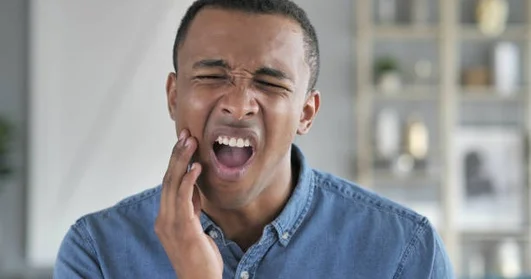
TMJ pain can feel like jaw soreness, jaw stiffness, facial pain, headaches, ear pain, jaw clicking, or pain when chewing. TMJ problems often involve the temporomandibular joint, jaw muscles, bite pressure, teeth grinding, or jaw clenching.
The top ways to relieve TMJ pain include resting the jaw, using warm or cold compresses, eating soft foods, doing gentle TMJ exercises, managing stress, and seeing a dentist if teeth grinding, bite alignment problems, or jaw joint pain continue.
Some jaw pain improves with conservative care, but ongoing pain should not be ignored. A dental exam can help determine whether your symptoms are coming from TMJ disorder, bruxism, tooth damage, infection, or another oral health issue.
What Is TMJ Pain?
TMJ pain comes from the temporomandibular joint, which connects your lower jaw to your skull. You have one TMJ on each side of your face, near your ears. These joints help you open your mouth, chew, speak, yawn, and move your jaw.
When the jaw joint, jaw muscles, or bite system becomes strained, you may develop TMJ symptoms.
TMJ pain may include:
- Jaw joint pain
- Jaw stiffness
- Jaw clicking
- Jaw popping pain
- Facial pain
- Ear pain
- Headaches
- Neck pain
- Pain when chewing
- Tired jaw muscles
- Teeth grinding or clenching
- Limited jaw movement
TMJ pain can be mild for some patients and more disruptive for others.
What Causes TMJ Pain?
TMJ pain can have more than one cause. In many cases, jaw pain is linked to jaw muscle tension, teeth grinding, clenching, bite stress, or inflammation around the jaw joint.
Common causes of TMJ pain include:
- Teeth grinding
- Teeth clenching
- Stress-related jaw tension
- Jaw injury
- Bite alignment problems
- Arthritis in the jaw joint
- Chewing hard foods often
- Nail biting or gum chewing
- Poor jaw posture
- Dental problems that affect your bite
A dentist can help check whether your jaw pain is related to your teeth, bite, grinding habits, or another dental issue. If you are unsure where the pain is coming from, a visit for family dentistry in El Paso, TX can help evaluate your teeth, jaw, bite, and overall oral health.
Top 5 Ways to Relieve TMJ Pain
TMJ pain relief usually starts with conservative care. The goal is to reduce pressure on the jaw joint, relax the jaw muscles, and prevent habits that make symptoms worse.
1. Rest Your Jaw and Avoid Hard or Chewy Foods
One of the best ways to relieve TMJ pain is to reduce stress on the jaw joint. If your jaw already feels sore or tight, hard and chewy foods can make the muscles work harder.
Try to avoid:
- Chewing gum
- Hard candy
- Tough meat
- Bagels
- Hard crusty bread
- Ice chewing
- Sticky candy
- Crunchy snacks
- Large bites that force the jaw open wide
Choose softer foods while your jaw is irritated. Good options may include eggs, soup, yogurt, smoothies, soft vegetables, pasta, oatmeal, and soft fish.
Also try to take smaller bites and chew slowly. Avoid opening your mouth too wide when eating, yawning, or talking.
2. Use Warm or Cold Compresses
Warm and cold compresses may help with jaw pain relief. Heat can relax tight jaw muscles, while cold can help calm soreness or inflammation.
You can try:
- A warm compress for jaw stiffness
- A cold pack for sharp pain or swelling
- Short applications for comfort
- A soft towel between your skin and the pack
Do not use extreme heat or ice directly on the skin. If one method makes symptoms worse, stop and try the other or ask a dentist for guidance.
Warm compresses are often helpful when the jaw feels tight or tense. Cold compresses may be helpful when the area feels sore after chewing or clenching.
3. Practice Gentle TMJ Exercises
Gentle TMJ exercises may help improve jaw movement, reduce stiffness, and relax the jaw muscles. These exercises should be slow and controlled. They should not cause sharp pain.
Simple TMJ exercise goals may include:
- Relaxing the jaw
- Improving jaw movement
- Reducing muscle tension
- Supporting better jaw posture
- Limiting clenching habits
A simple relaxation position is to keep your lips closed, teeth slightly apart, and tongue resting gently on the roof of your mouth. This helps reduce unnecessary jaw pressure.
Avoid aggressive stretching or forcing your jaw open. If exercises increase pain, stop and speak with a dentist or healthcare provider.
4. Manage Teeth Grinding, Clenching, and Stress
Teeth grinding and clenching are common reasons for TMJ pain. Many patients clench during the day without realizing it. Others grind their teeth during sleep.
Signs of grinding or clenching may include:
- Morning jaw pain
- Worn teeth
- Headaches
- Sore facial muscles
- Tooth sensitivity
- Jaw tightness
- Cracked or chipped teeth
- Tired jaw muscles
Stress can make jaw clenching worse. Try to notice when your teeth are touching during the day. Your teeth should not stay pressed together when you are resting.
Helpful habits may include:
- Keeping teeth apart when resting
- Relaxing your shoulders and jaw
- Taking breaks during stressful work
- Avoiding gum chewing
- Reducing caffeine if it worsens clenching
- Practicing deep breathing
- Using a relaxing bedtime routine
If grinding has damaged teeth, fillings, or crowns, your dentist can check your bite and recommend the right treatment. In some cases, damaged or weakened teeth may need restoration, including same-day crowns in El Paso, TX when stronger tooth protection is needed.
5. Ask a Dentist About a Custom Nightguard or Dental Splint
If teeth grinding or clenching is causing TMJ pain, a dentist may recommend a custom nightguard, mouthguard, or dental splint. This oral appliance is designed to fit your teeth and reduce the effects of grinding pressure.
A nightguard for TMJ may help:
- Protect teeth from grinding damage
- Reduce bite pressure
- Support jaw muscle relaxation
- Limit tooth wear
- Reduce morning jaw soreness
- Protect dental restorations
Store-bought mouthguards do not always fit well and may not provide the same level of protection. A custom dental splint is made based on your teeth and bite, which can make it more comfortable and stable.
A dentist can also check whether bite alignment problems are contributing to jaw pain. If tooth alignment is making your bite harder to manage, SureSmile® clear aligners in El Paso, TX may be discussed as part of a long-term plan for improving alignment.
How Can a Dentist Help With TMJ Pain?
A dentist can help identify whether your TMJ pain is linked to teeth grinding, bite pressure, tooth wear, jaw muscle tension, or dental problems.
A TMJ dentist may check:
- Your bite alignment
- Tooth wear from grinding
- Jaw movement
- Jaw clicking or popping
- Tender jaw muscles
- Tooth cracks
- Damaged fillings or crowns
- Signs of clenching
- Dental pain that may mimic TMJ symptoms
TMJ treatment may include a custom nightguard, dental splint, bite evaluation, dental restorations, jaw relaxation guidance, or referral if the condition needs advanced care.
Why Does My Jaw Click When I Chew?
Jaw clicking can happen when the jaw joint or disc does not move smoothly. Some people have jaw clicking without pain. Others may have clicking with stiffness, locking, popping, or discomfort.
Jaw clicking may be linked to:
- TMJ disorder
- Jaw muscle tension
- Teeth grinding
- Bite imbalance
- Joint inflammation
- Jaw injury
- Overuse from chewing gum or hard foods
If your jaw clicks but does not hurt, it may not need urgent treatment. If clicking comes with pain, locking, swelling, headaches, or chewing problems, schedule a dental exam.
How to Stop Jaw Pain From Teeth Grinding
If teeth grinding is causing jaw pain, the goal is to reduce pressure and protect the teeth.
Helpful steps may include:
- Wearing a custom nightguard if recommended
- Reducing daytime clenching
- Avoiding gum chewing
- Managing stress
- Improving sleep habits
- Limiting hard foods
- Checking for bite problems
- Treating worn or damaged teeth
Grinding can damage enamel, crowns, fillings, veneers, and natural teeth. Early treatment can help prevent more serious dental damage.
Can TMJ Cause Headaches, Ear Pain, and Facial Pain?
Yes, TMJ problems can sometimes cause pain beyond the jaw joint. Because the jaw muscles connect with nearby facial, head, and neck muscles, TMJ pain may feel like a headache, earache, facial pressure, or neck tension.
TMJ-related symptoms may include:
- Headaches near the temples
- Ear pain without an ear infection
- Facial soreness
- Neck tension
- Jaw fatigue
- Pain around the cheeks
- Pressure near the ears
Because these symptoms can have other causes, a professional exam is important if the pain continues.
When Is Jaw Pain an Emergency?
TMJ pain is not always an emergency, but some symptoms need urgent attention.
Seek urgent care if you have:
- Severe facial swelling
- Fever with jaw or tooth pain
- Trouble breathing
- Trouble swallowing
- Jaw injury
- Uncontrolled bleeding
- Severe tooth pain with swelling
- A locked jaw that will not open or close
If jaw pain is connected to severe tooth pain, swelling, trauma, or infection, emergency dentistry in El Paso, TX can help you get timely evaluation and treatment.
Final Thoughts
The top 5 ways to relieve TMJ pain include resting your jaw, avoiding hard foods, using warm or cold compresses, doing gentle TMJ exercises, managing teeth grinding, and asking a dentist about a custom nightguard or dental splint.
TMJ pain can cause jaw stiffness, jaw clicking, facial pain, headaches, ear pain, and chewing discomfort. If your symptoms continue or get worse, schedule a dental exam in El Paso, TX. A dentist can help find the cause and recommend the right treatment.