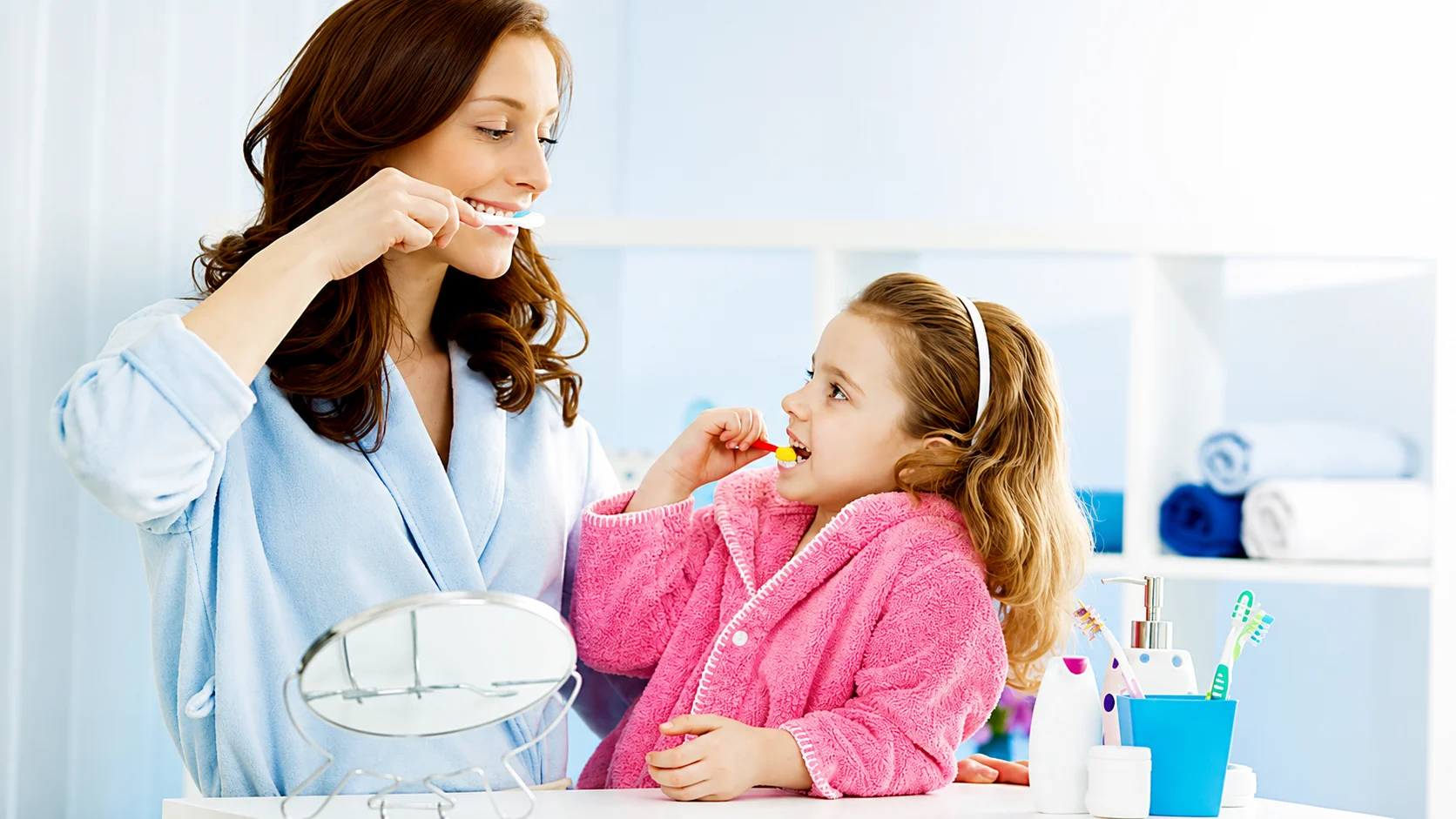
Teaching kids how to brush their teeth is one of the most important steps in building a healthy smile. This Brush Your Teeth for Kids guide explains the right brushing technique, toothbrush, fluoride toothpaste amount, and level of parent supervision children need.
Kids should brush twice a day for two minutes using a soft-bristled toothbrush and fluoride toothpaste. Parents should begin brushing as soon as the first baby tooth appears. Use a rice-sized smear of toothpaste for children under age 3 and a pea-sized amount for children ages 3 to 6.
Consistent brushing helps remove plaque, protect baby teeth, prevent cavities, support healthy gums, and build strong oral hygiene habits for life.
Why Brushing Teeth Is Important for Kids
Baby teeth are important. They help children chew, speak clearly, smile confidently, and hold space for permanent teeth. If baby teeth are not cleaned properly, kids can develop cavities, tooth pain, gum irritation, bad breath, and early tooth loss.
Brushing teeth for kids helps:
- Remove plaque from teeth
- Reduce cavity risk
- Protect baby teeth
- Support healthy gums
- Keep breath fresh
- Prevent tooth decay
- Protect permanent teeth as they come in
- Build better oral health habits
Children’s oral hygiene should begin early. Waiting until a child has cavities can lead to pain, dental anxiety, and more complex treatment.
When Should You Start Brushing Baby Teeth?
You should start brushing baby teeth as soon as the first tooth appears. Before teeth come in, parents can gently wipe the baby’s gums with a clean, damp cloth.
Once the first tooth erupts, use a soft baby toothbrush and a tiny smear of fluoride toothpaste. Brush gently twice a day, especially before bedtime.
Early brushing helps prevent plaque buildup and teaches children that dental care is a normal part of the daily routine.
How Much Toothpaste Should Kids Use?
The amount of toothpaste depends on the child’s age.
Children Under 3
Use a smear of fluoride toothpaste about the size of a grain of rice.
Children Ages 3 to 6
Use a pea-sized amount of fluoride toothpaste.
Older Children
A pea-sized amount is usually enough unless the dentist recommends something different.
Parents should supervise brushing and remind children to spit out toothpaste instead of swallowing it. Using more toothpaste does not mean better cleaning. The right amount gives fluoride protection while keeping brushing safe.
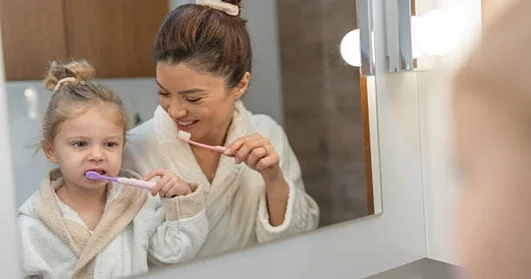
Steps to Brushing Your Teeth for Kids
Use these simple steps to teach kids how to brush their teeth properly.
Step 1: Choose the Right Kids Toothbrush
Pick a kids toothbrush with soft bristles and a small head. The toothbrush should fit comfortably in the child’s mouth and reach the back teeth.
A good toothbrush for kids should be:
- Soft-bristled
- Age-appropriate
- Easy to hold
- Small enough for the mouth
- Gentle on gums
- Replaced every three to four months or sooner if worn
Avoid hard-bristled toothbrushes because they can be too rough on a child’s gums and enamel.
Step 2: Use Fluoride Toothpaste
Fluoride toothpaste helps protect teeth from cavities. It supports enamel strength and helps reduce tooth decay risk.
For kids, the key is using the right amount:
- Rice-sized smear for children under 3
- Pea-sized amount for children ages 3 to 6
- Pea-sized amount for most older children
If your child has frequent cavities or weak enamel, ask a dentist in El Paso, TX whether additional fluoride treatment may help.
Step 3: Brush for Two Minutes
Kids should brush for two full minutes. Many children brush too quickly and miss important areas.
Helpful ways to keep kids brushing for two minutes include:
- Use a timer
- Play a two-minute song
- Use a brushing app
- Count slowly together
- Brush as a family
Morning and bedtime brushing are the most important. Bedtime brushing should not be skipped because plaque and food particles can sit on the teeth overnight.
Step 4: Brush Every Tooth Surface
Teach your child to brush all sides of every tooth.
They should brush:
- Front surfaces
- Back surfaces
- Chewing surfaces
- Back molars
- Teeth near the gumline
- Areas around spaces between teeth
Kids often brush only the front teeth because those are easy to see. Parents should check the back teeth and inside surfaces.
Step 5: Brush Gently Along the Gumline
Plaque often collects where the teeth meet the gums. Teach your child to angle the toothbrush gently toward the gumline and use small circular motions.
Brushing should be gentle. Hard scrubbing can irritate the gums and does not clean better.
Step 6: Brush the Tongue
The tongue can hold bacteria and cause bad breath. After brushing the teeth, kids should gently brush the tongue.
This helps keep the mouth cleaner and breath fresher.
Step 7: Spit Out the Toothpaste
After brushing, children should spit out the toothpaste. Young kids need reminders and supervision.
Heavy rinsing with water right after brushing is not always needed because rinsing can wash away fluoride. A child should spit well and avoid swallowing toothpaste.
Step 8: Floss When Teeth Touch
Children need flossing when two teeth touch. A toothbrush cannot clean tight spaces between teeth.
Parents should help with flossing until the child can do it properly. Floss picks may be easier for younger children.
Flossing helps prevent cavities between teeth and supports gum health.
Brushing Baby Teeth
Brushing baby teeth should be gentle, quick, and consistent. Use a soft baby toothbrush and a rice-sized smear of fluoride toothpaste.
Tips for brushing baby teeth:
- Sit the baby in your lap.
- Gently lift the lip to see the teeth.
- Brush every visible tooth surface.
- Brush twice daily.
- Focus on bedtime brushing.
- Do not put the baby to bed with juice, milk, or sweet drinks.
Baby teeth can get cavities soon after they appear, so early brushing matters.
Brushing Toddler Teeth
Toddlers often want to brush by themselves, but they still need parent help. At this age, children usually do not have the skill to clean every tooth properly.
Tips for brushing toddler teeth:
- Use a soft toddler toothbrush.
- Use the correct toothpaste amount.
- Brush for two minutes.
- Let the child try first.
- Parent should finish the brushing.
- Use a mirror so the child can watch.
- Make brushing part of the morning and bedtime routine.
Toddlers may resist brushing, but keeping the routine calm and consistent helps.
How to Brush Your Teeth for Preschoolers
Preschoolers can start learning the steps to brushing teeth, but parents should still help and check their work.
A simple preschool brushing routine:
- Put a pea-sized amount of fluoride toothpaste on the brush.
- Brush the top teeth.
- Brush the bottom teeth.
- Brush the chewing surfaces.
- Brush the inside surfaces.
- Brush near the gumline.
- Brush the tongue.
- Spit out the toothpaste.
- Parent checks and finishes missed areas.
Preschoolers often miss the back molars, inside surfaces, and gumline. Parent supervision is still important.
Brushing Teeth for School-Age Children
School-age children may brush more independently, but many still need reminders. Parents should check that they brush long enough and reach all areas.
School-age kids should:
- Brush twice daily
- Use fluoride toothpaste
- Brush for two minutes
- Floss once teeth touch
- Clean back molars well
- Brush gently along the gumline
- Spit out toothpaste
- Visit the dentist regularly
Many children need brushing supervision until around age 7 or 8, depending on their coordination and consistency.
How to Teach Kids to Brush Teeth
Teaching kids to brush teeth works best when the routine is simple and repeated every day.
Helpful teaching tips:
- Brush together as a family.
- Let your child watch in the mirror.
- Divide the mouth into sections.
- Use the same steps each time.
- Let the child choose a toothbrush.
- Use a timer or song.
- Praise effort.
- Parent finishes brushing for younger kids.
Kids learn by practice. A short, clear routine works better than a long explanation.
Fun Ways to Brush Teeth
Making brushing fun can help kids cooperate.
Try these ideas:
- Play a two-minute brushing song.
- Use a sticker chart.
- Let your child pick a toothbrush color.
- Use a favorite character toothbrush.
- Brush with your child at the same time.
- Create a “fight the plaque bugs” game.
- Use a small reward chart for consistency.
- Let the child brush first, then parent finishes.
Fun helps, but cleaning still matters. Make sure every tooth gets brushed.
Common Brushing Mistakes Kids Make
Kids often miss areas or rush through brushing.
Common mistakes include:
- Brushing too fast
- Only brushing front teeth
- Missing back teeth
- Missing the gumline
- Using too much toothpaste
- Swallowing toothpaste
- Skipping bedtime brushing
- Not flossing
- Using an old toothbrush
- Brushing too hard
Parents can prevent these mistakes by supervising and checking the teeth after brushing.
How Often Should Kids Brush Their Teeth?
Kids should brush their teeth twice a day.
The best times are:
- Morning
- Before bed
Bedtime brushing is especially important. After brushing at night, children should avoid snacks, juice, milk, soda, or sweet drinks. Water is the best choice after bedtime brushing.
Preventing Cavities in Kids
Brushing is one part of preventing cavities in kids. Diet, flossing, fluoride, and dental visits also matter.
To help prevent cavities:
- Brush twice daily with fluoride toothpaste.
- Floss when teeth touch.
- Limit sugary snacks.
- Avoid frequent juice and soda.
- Offer water between meals.
- Choose tooth-friendly snacks.
- Schedule children’s dental cleaning.
- Keep regular pediatric dental checkups.
- Ask about fluoride treatment or sealants if needed.
Cavity prevention works best when good home care and regular dental visits work together.
Tooth-Friendly Snacks for Kids
Frequent sugary snacks can increase cavity risk. Choose snacks that are better for teeth and gums.
Tooth-friendly snack ideas include:
- Cheese
- Plain yogurt
- Apple slices
- Carrot sticks
- Celery
- Boiled eggs
- Nuts if age-appropriate
- Water
- Fresh fruit with meals
Try to limit sticky candy, gummies, cookies, juice, soda, sports drinks, and constant snacking.
When Should Kids See a Dentist?
Children should see a dentist regularly for exams, cleanings, and cavity prevention. A pediatric dental checkup can help monitor baby teeth, permanent teeth, gum health, bite development, and brushing habits.
A children’s dental visit may include:
- Dental exam
- Professional dental cleaning
- Cavity screening
- Plaque check
- Fluoride recommendations
- Brushing and flossing tips
- Diet guidance
- Sealant discussion when needed
A dentist can also show your child how to brush step by step in a way that is easy to understand.
Final Thoughts
Kids should brush their teeth twice a day with fluoride toothpaste and a soft-bristled toothbrush. Parents should begin brushing baby teeth as soon as the first tooth appears. Use a rice-sized smear of toothpaste for children under 3 and a pea-sized amount for children ages 3 to 6.
Children need help and supervision until they can brush well on their own. Teach them to brush every tooth surface, clean the gumline, brush the tongue, spit out toothpaste, and floss when teeth touch.
A simple daily routine can help protect baby teeth, support healthy gums, prevent cavities, and build lifelong oral health habits.