

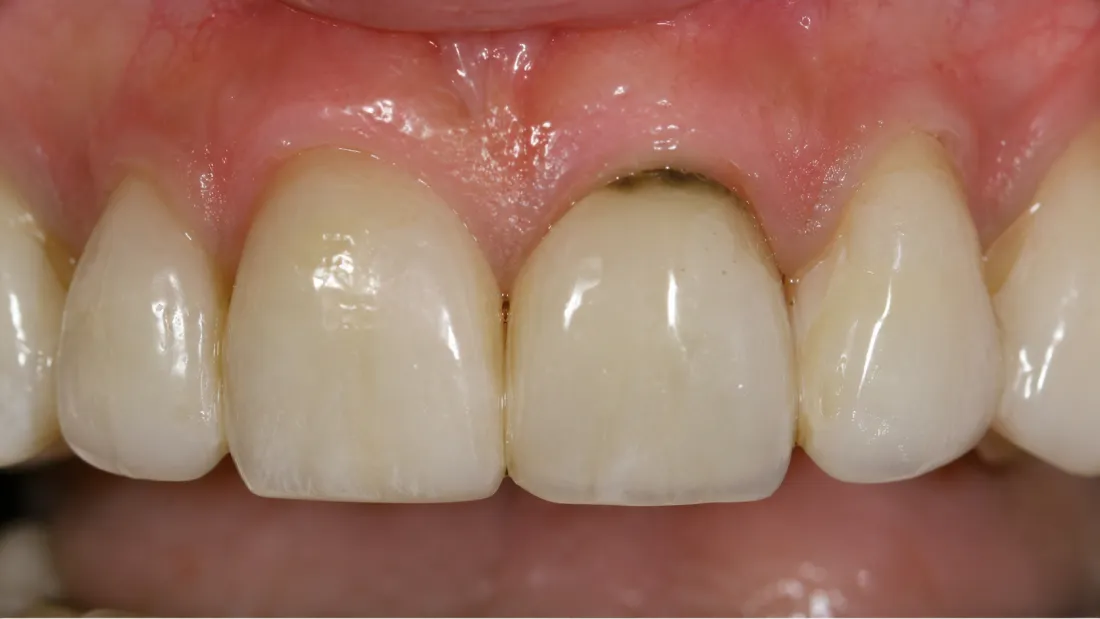
Veneers are designed to enhance the appearance of your smile, but dark lines or discoloration can sometimes develop around them over time. This change can affect how natural your smile looks and may leave you wondering whether your veneers need attention. While some discoloration is cosmetic, other changes may indicate an issue that needs dental care. Understanding why veneers turn black can help you recognize when to seek professional advice and explore the right treatment. This guide covers what to look for, available solutions, and how to maintain your veneers.
Dark Lines Around Veneers Do Not Always Mean They Have Failed
A dark line around a veneer does not automatically mean the restoration needs replacement. Sometimes, the discoloration comes from surface staining, changes in the gum line, or exposed bonding material along the veneer’s edge. Composite veneers can also develop surface stains more readily than porcelain, although some discoloration may respond to professional polishing.
However, darkening can also indicate a problem with the veneer’s fit, the underlying tooth, or the surrounding gum tissue. A dental examination can help distinguish cosmetic staining from issues that need treatment. Addressing the cause early can help preserve the veneer and protect the natural tooth underneath.
Common Causes of Dark Edges Around Veneers
Dark edges around veneers usually come from one of the following causes:
Aging Bonding Material at the Edge
Veneers are held in place with a thin layer of bonding material. Over the years, this layer can absorb stains from food, drinks, or tobacco and turn darker. Because it sits right at the edge, the color change shows up as a thin dark line along the veneer.
Small Gaps Along the Veneer Edge
A tiny gap between the veneer and the tooth can let food particles, bacteria, and pigments seep in. These gaps may form as the bond ages or if the edge was not sealed tightly. Over time, the trapped material darkens the line and can lead to further problems if left alone.
Gum Recession Exposing the Edge
When gums pull back, the edge of the veneer can become visible. The exposed area often shows the darker root surface of the tooth, which looks like a dark band beside the veneer. Gum recession can happen with age, hard brushing, or gum disease, and it often progresses slowly.
Decay Under the Veneer
Decay can form on the natural tooth beneath a veneer, especially near the edge where plaque collects. As it develops, the tooth can look dark through the veneer or along its border. A black line does not always mean decay, but it is one of the causes worth ruling out.
A Darkened Natural Tooth Underneath
Sometimes the tooth itself darkens, and the veneer may not fully hide it. This can follow an old injury or a past root canal, even years later. The color may show through thin veneers or near the edge, and treatment focuses on the tooth rather than the veneer.
What Are the Possible Solutions to Treat Dark Veneers?
Possible solutions include polishing, re-bonding, decay treatment, gum care, and care for the natural tooth, each matched to the cause. The following options show how each one is used:
Polishing for Surface Stains: Polishing can remove light stains from the surface of a veneer or from the bonding material at its edge. It is a quick, gentle step that suits stains sitting on the surface only. Composite veneers often respond well, since their surface picks up stains more easily than porcelain.
Re-bonding or Refining the Edge: When the dark line comes from aged or stained bonding material, the old layer can be cleaned out and the veneer bonded again. Smoothing a rough edge or sealing a small gap may also be part of the fix. This can save the veneer if it is otherwise sound.
Treating Decay and Restoring the Tooth: Decay behind a dark edge needs treatment first. The decayed area is cleaned out, and the tooth is restored, which sometimes means removing the veneer to reach it. A new or repaired veneer then covers the tooth. Treating decay early helps protect the natural tooth.
Managing Gum Recession: When gum recession exposes the veneer edge, the focus is on the gums as well as the veneer. Treating gum disease, adjusting how you brush, or recontouring the gum line can help. In some cases, a veneer may need to be replaced so its edge sits comfortably and looks natural.
Treating Discoloration in the Underlying Tooth: Treatment depends on why the natural tooth has darkened. A tooth affected by trauma or root canal treatment may need further evaluation. Depending on its condition, the dentist may recommend treating the tooth or replacing the veneer with one that provides better color coverage.
Which Dark Veneers Can Be Repaired and Which Need Replacing
Veneers with surface stains or aging bonding can usually be repaired, while those with cracks, a poor fit, or damage that cannot be patched often need replacing. Composite veneers are generally easier to repair, since the material can be added to or reshaped. Porcelain veneers cannot usually be patched in the same way, so a damaged or badly fitting one is typically replaced. Replacement also becomes more likely when the dark line returns after a repair. A dental exam confirms which route fits your case.
How to Keep Your Veneers Looking Natural for Years
Gentle daily care, fewer stain-causing habits, and regular checkups help keep veneers looking natural for years. The following tips help protect your veneers:
- Clean the edges daily: Brush twice a day with a soft brush and non-abrasive toothpaste, angling the bristles toward the gum line. Floss daily so plaque does not build up where the veneer meets the tooth.
- Rinse after dark drinks: Rinse with water after coffee, tea, or red wine, or use a straw to limit contact with the veneer edges.
- Cut back on tobacco: Smoking can stain the bonding material at the edges and darken them over time.
- Avoid hard objects: Do not chew ice, pens, or fingernails, which can chip or loosen veneers.
- Keep up with checkups: Professional cleanings reach edges that home care can miss, and visits about every six months help catch early decay, gaps, or gum changes. Your dentist may suggest a different schedule.
- Ask about a night guard: Grinding and clenching put repeated pressure on veneers and can lead to chips or bonding damage. A custom night guard cushions the teeth during sleep, so ask your dentist whether one suits you.